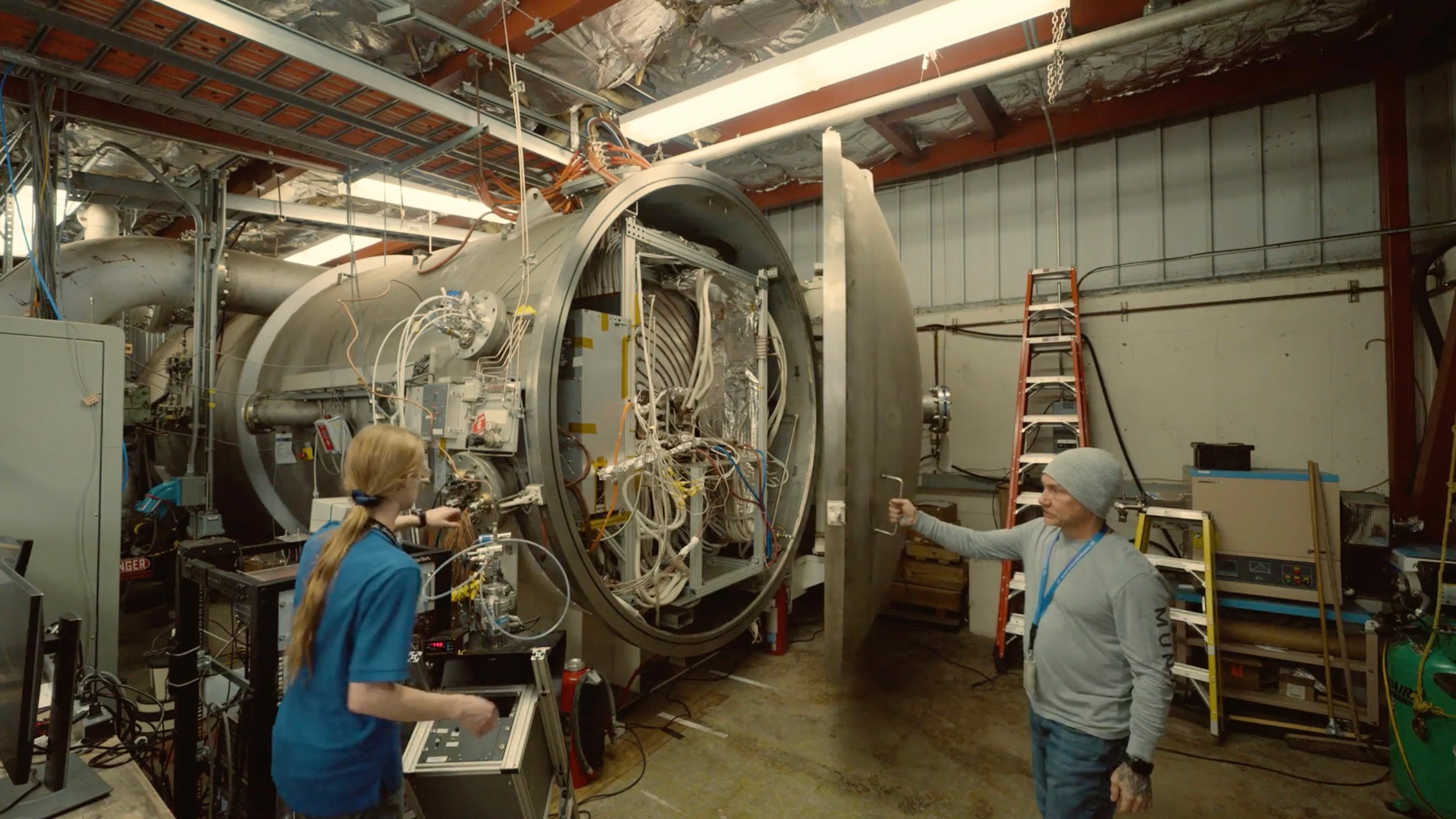
A new ion engine has been tested in a lab, proving itself to be 25 times more powerful than NASA’s current state-of-the-art one. This advanced technology could one day assist


A new ion engine has been tested in a lab, proving itself to be 25 times more powerful than NASA’s current state-of-the-art one. This advanced technology could one day assist
Astronomers have unveiled one of the largest cosmological simulation datasets ever created, offering an expansive new tool to explore how the universe evolved across billions of years. Produced by the
A new type of self-interacting dark matter could provide solutions to three very different cosmic puzzles, new research suggests. The first mystery that could be solved involves an ultradense clump
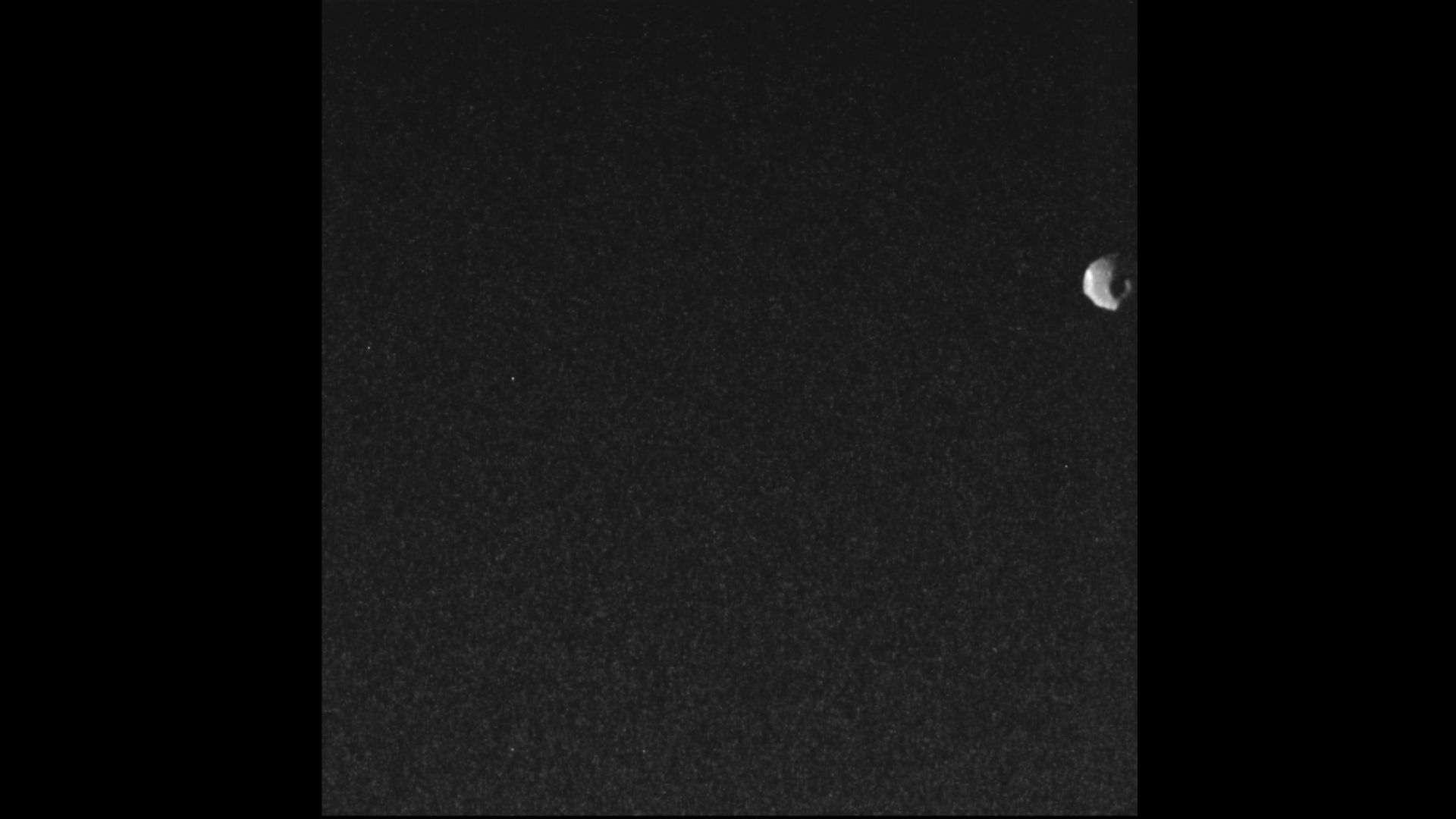
Jupiter’s moon Thebe, as seen by a Juno flyby on May 1, 2026. (Image credit: NASA/JPL-Caltech) NASA’s Juno spacecraft has snuck a peek at one of Jupiter’s largest inner moons.
Scientists have discovered that the universe’s most massive black holes may form in the densest of stellar environments, or so-called globular clusters. It is in these clusters where violent collisions
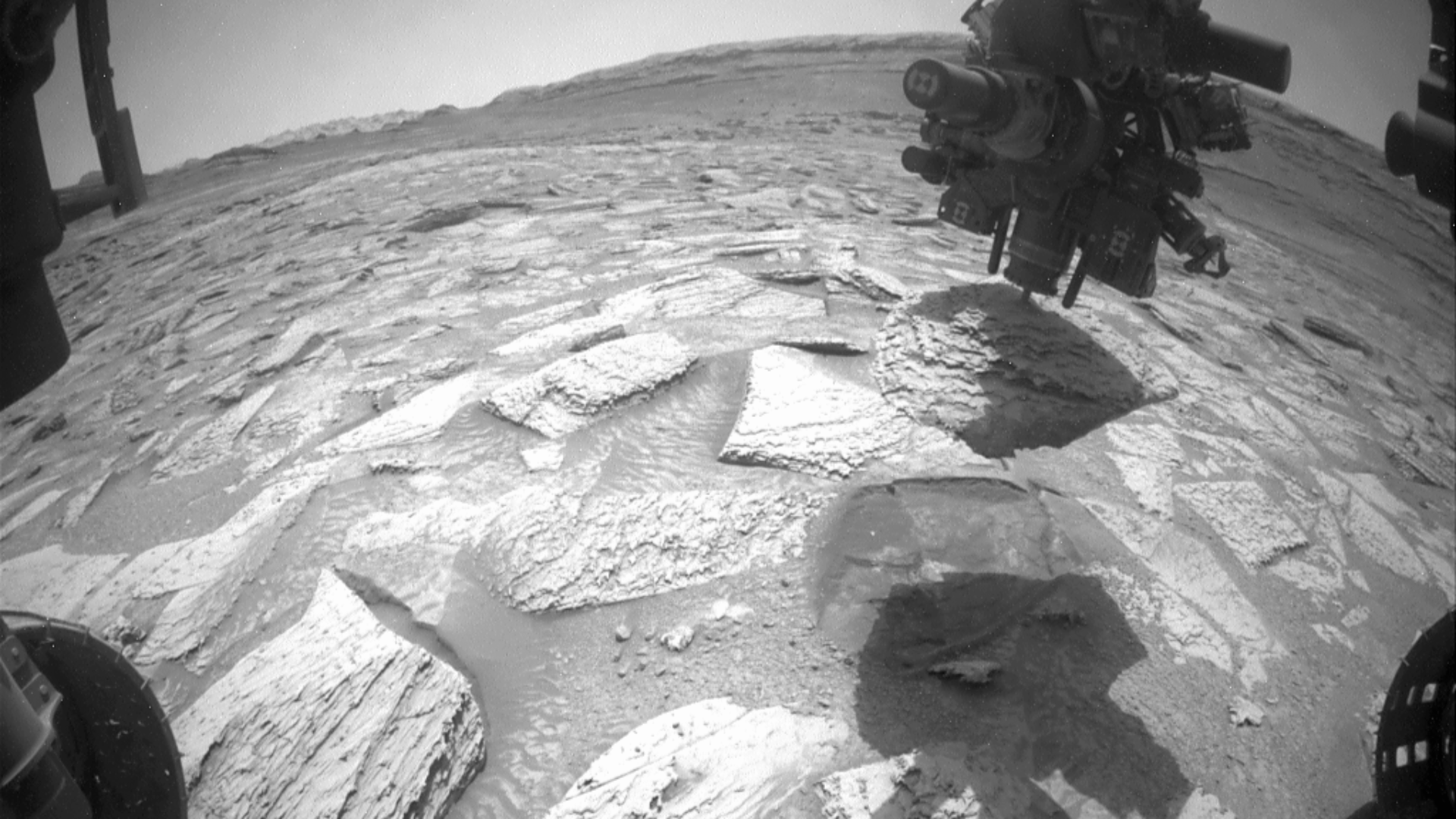
Mars has intense radiation, furious dust storms, and temperatures that plunge as low as -200 degrees Fahrenheit (-129 degrees Celsius) — and NASA’s Mars rovers usually handle them all with