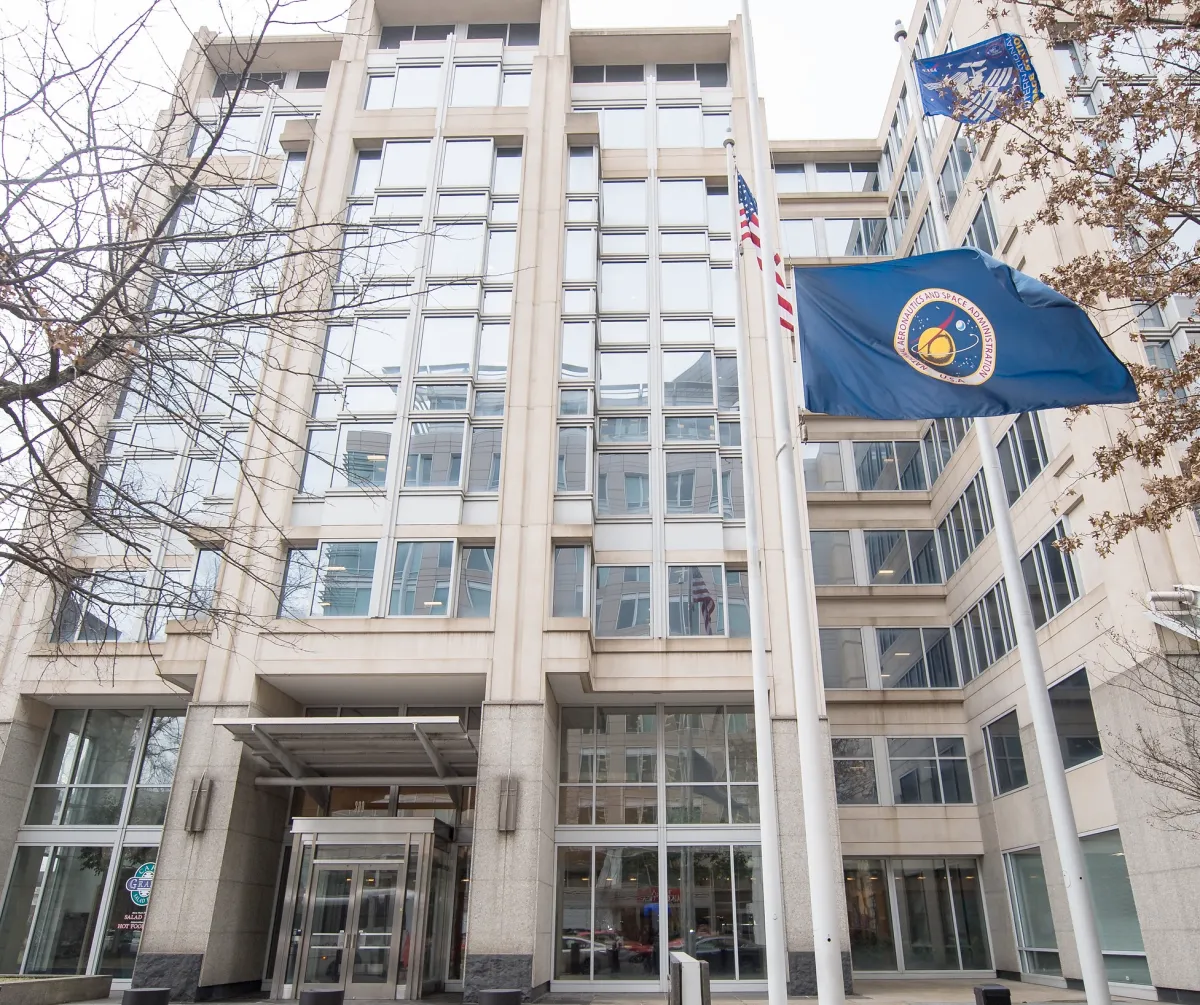
WASHINGTON — NASA announced one of its biggest reorganizations in recent memory May 22, combining mission directorates and reshuffling personnel. The reorganization, NASA Administrator Jared Isaacman said in a statement,


WASHINGTON — NASA announced one of its biggest reorganizations in recent memory May 22, combining mission directorates and reshuffling personnel. The reorganization, NASA Administrator Jared Isaacman said in a statement,
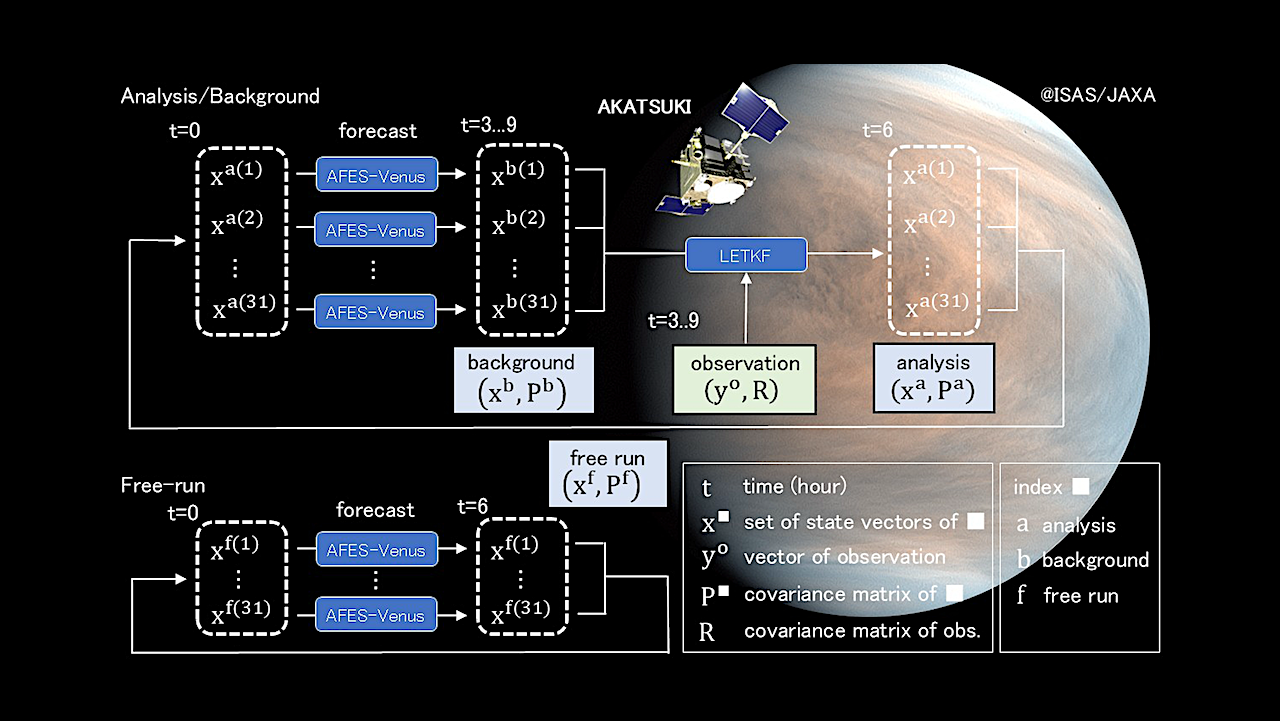
This system integrates Akatsuki observation data and AFES-Venus numerical simulation forecast data using the LETKF data assimilation method. The release of ALERA-V, objective analysis data that spatiotemporally reconstructs a more
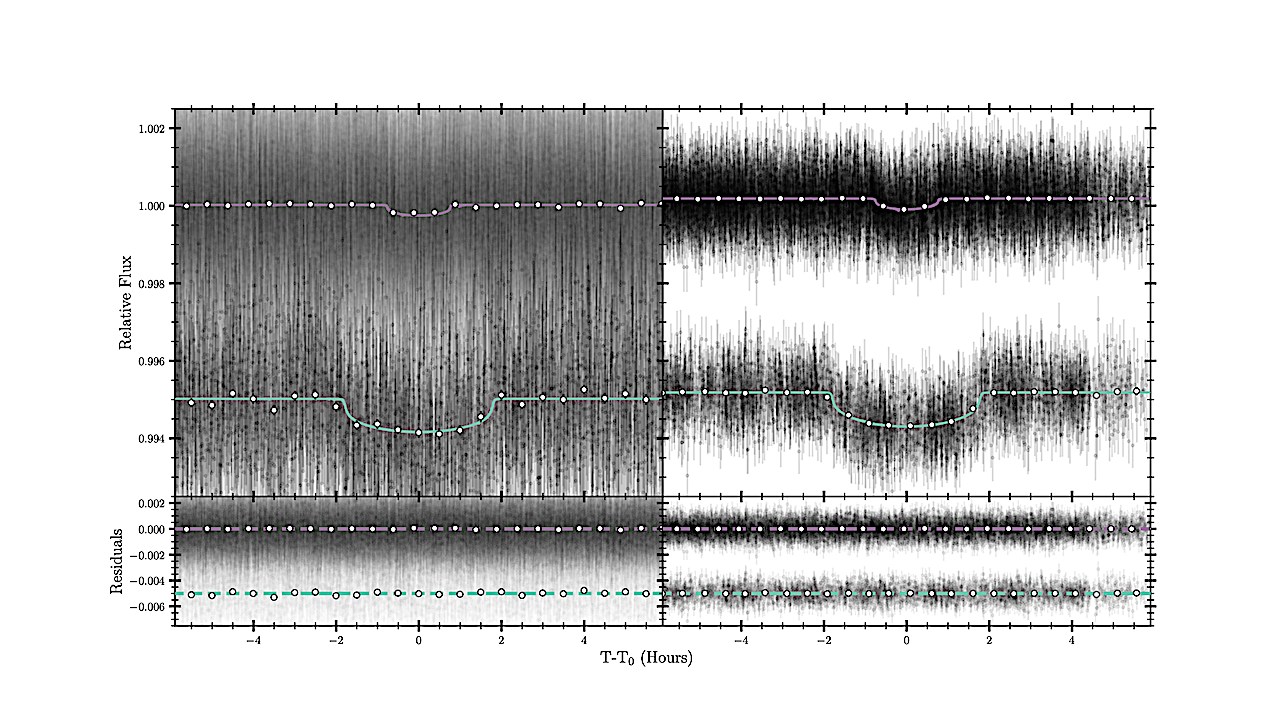
Phase folded best-fit transit models of TOI-4311b( purple) and TOI-4311c (green) with the underlying TESS (left) and CHEOPS (right) data in black in the top panel. The residuals are shown
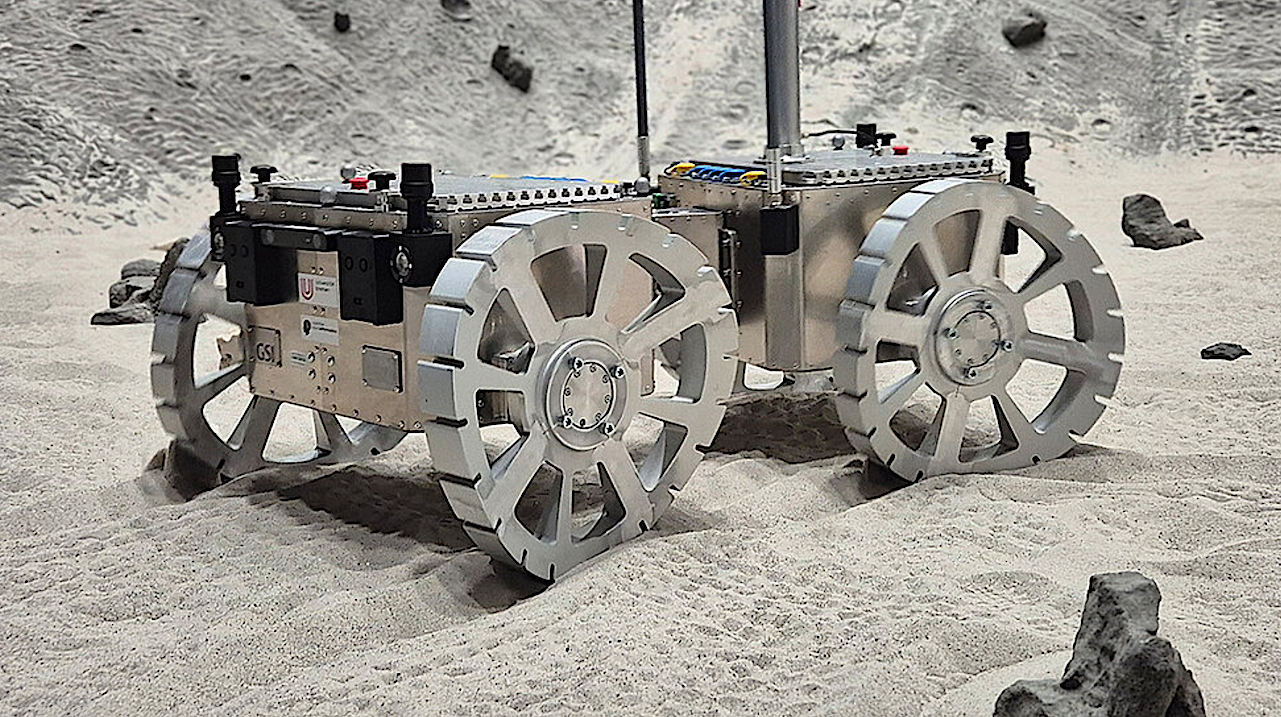
The Mars rover with its innovative wheels, which can ‘swim’ through sand, modelled on a desert lizard. (Image: Marco Schmidt / Universität Würzburg) Some animals can move efficiently beneath granular
NASA plans to open up competition for control over the Jet Propulsion Laboratory (JPL), which has historically been operated by the California Institute of Technology (Caltech). This move is part
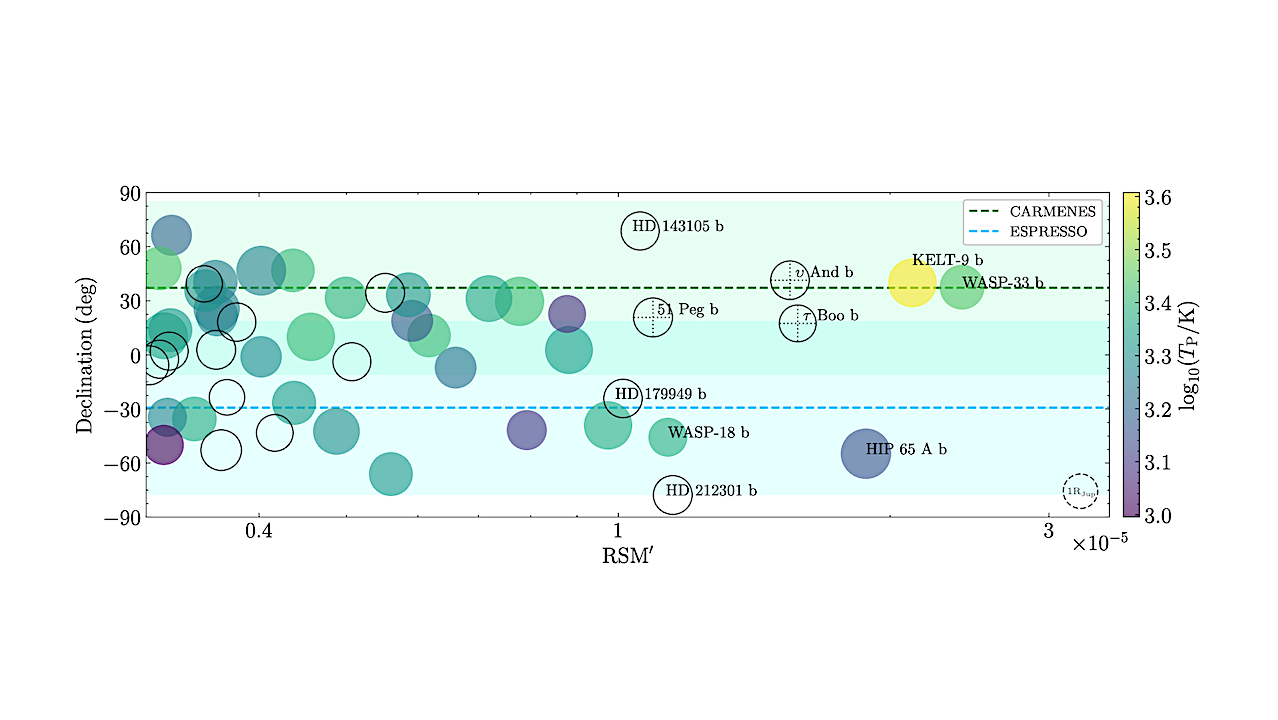
Declination of the 50 targets presenting the largest RSM′ values as a function of their respective score. The ten most favourable targets are annotated with their names. The areas of
“The Mandalorian and Grogu” is exactly what you expect from it: Baby Yoda melting hearts through his cutesy interactions with the feisty (and funny) Anzellans, Mando doing a lot of
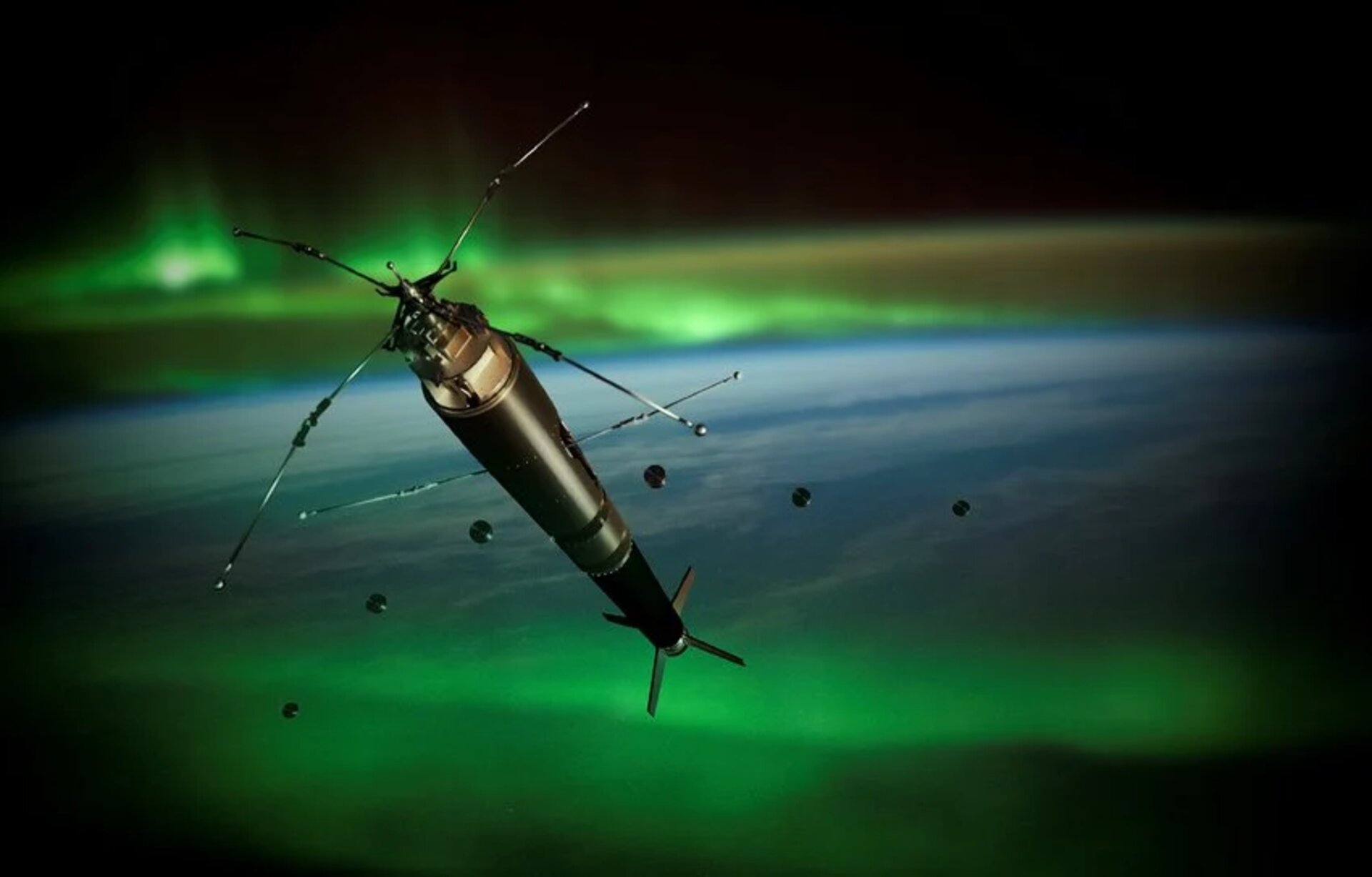
Agency 22/05/2026 131 views 3 likes The launch of the 4DSpace-Daedalus mission in Norway is the latest success supported by Prodex, a European Space Agency (ESA) programme which enables highly skilled research
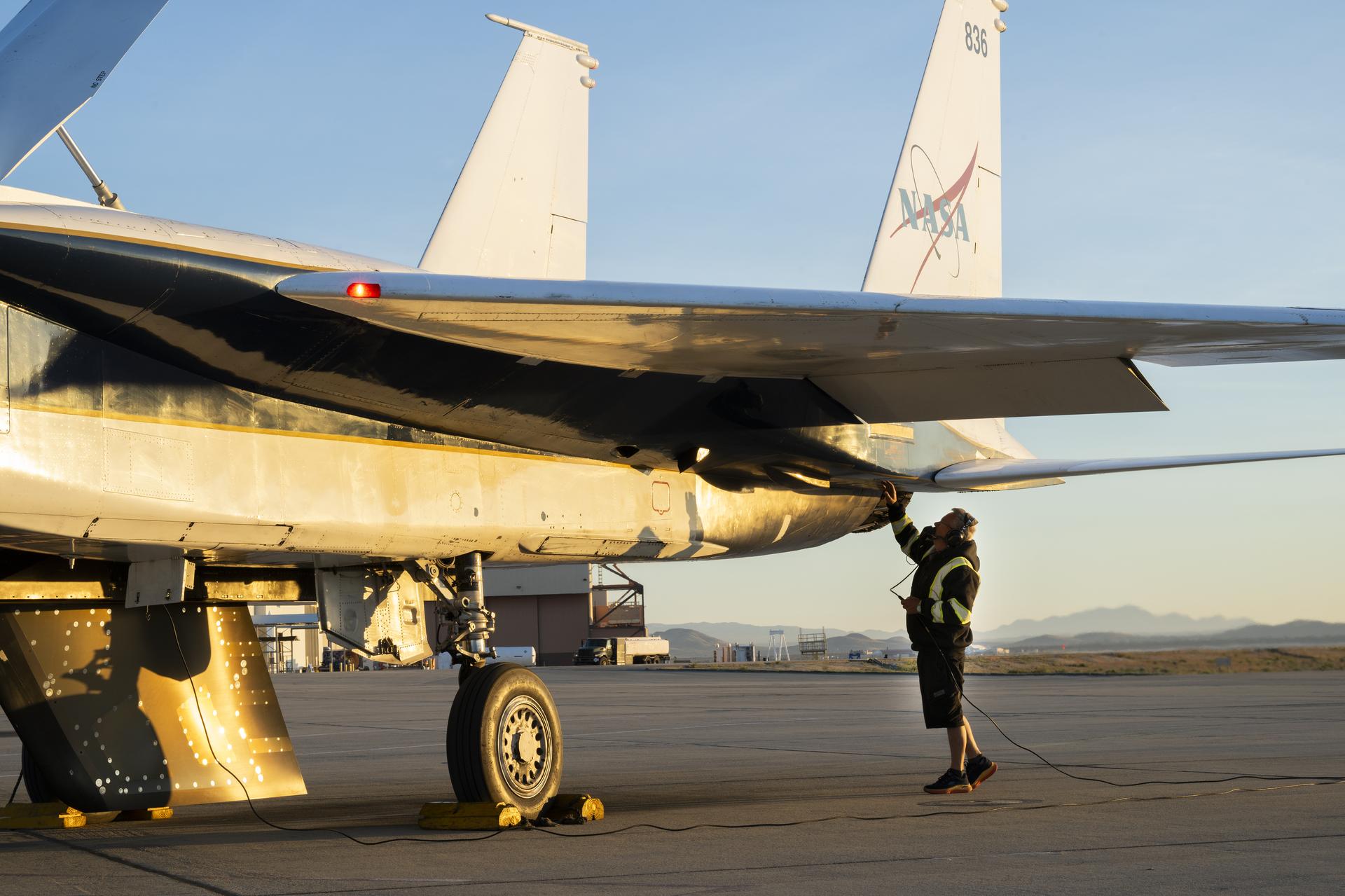
4 min read Preparations for Next Moonwalk Simulations Underway (and Underwater) NASA crew chief Walt Kondracki checks an F-15 aircraft Tuesday, March 17, 2026, at NASA’s Armstrong Flight Research Center

Agency 22/05/2026 76 views 1 likes ESA Director General Josef Aschbacher participated in the 21st edition of the GLOBSEC Forum, held from 21 to 23 May in Prague, Czechia, under