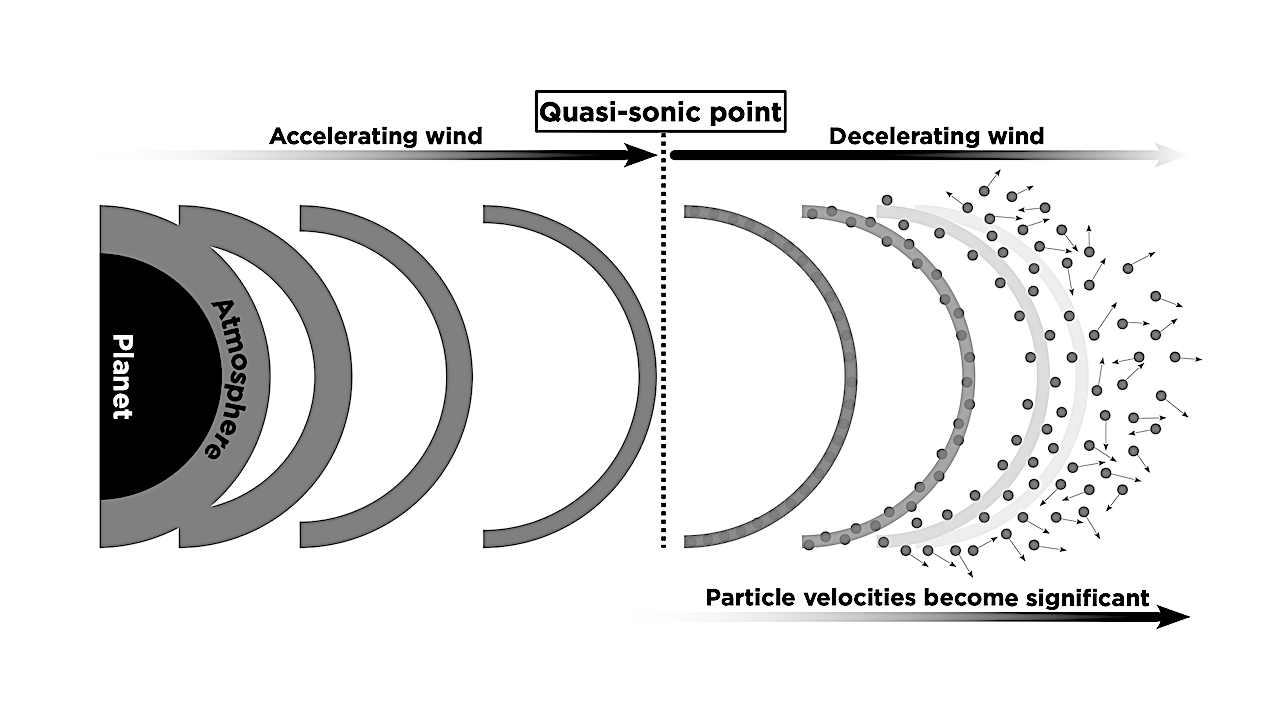
Schematic of the two-channel picture. As the atmosphere expands and rarefies, a fraction of particles decouples from the collisional flow and streams outward ballistically. The collisional channel can remain Parker-like

Schematic of the two-channel picture. As the atmosphere expands and rarefies, a fraction of particles decouples from the collisional flow and streams outward ballistically. The collisional channel can remain Parker-like
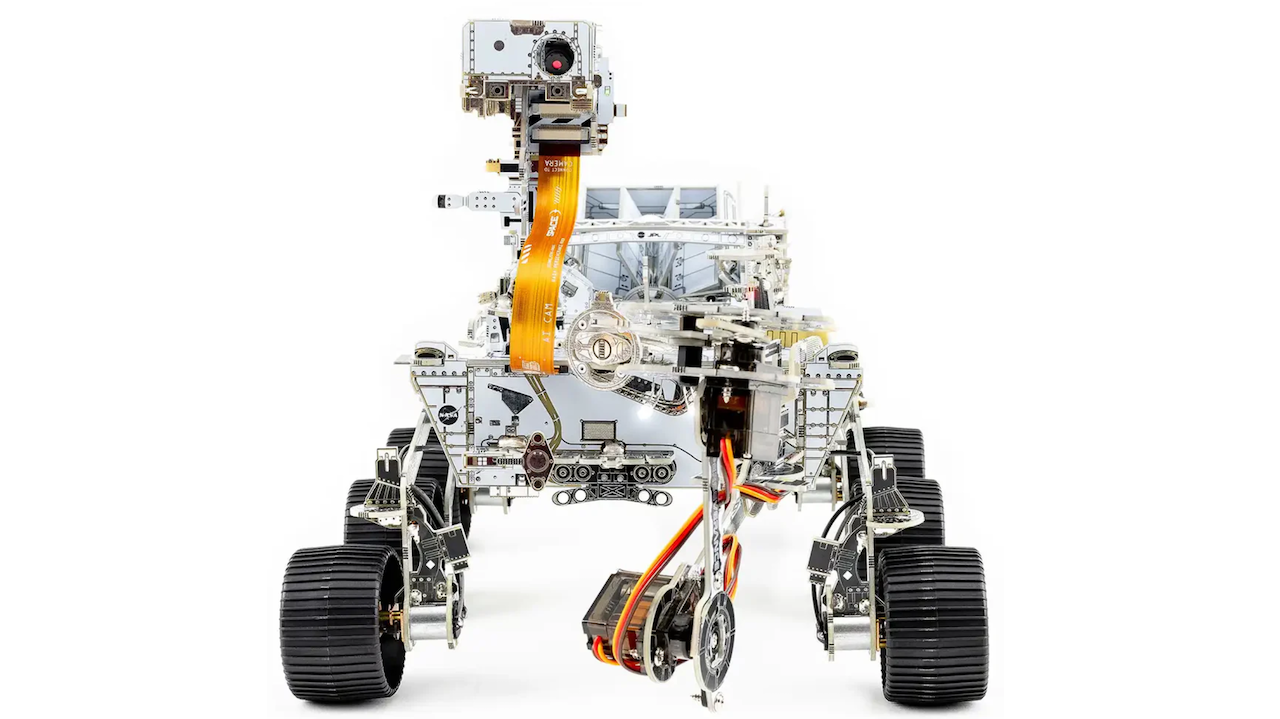
the NASA Mars Perseverance Rover by CircuitMess Editor’s note: NASA currently has two droids at work on Mars: Perseverance and its Older sibling Curiosity. Their common task is to perform
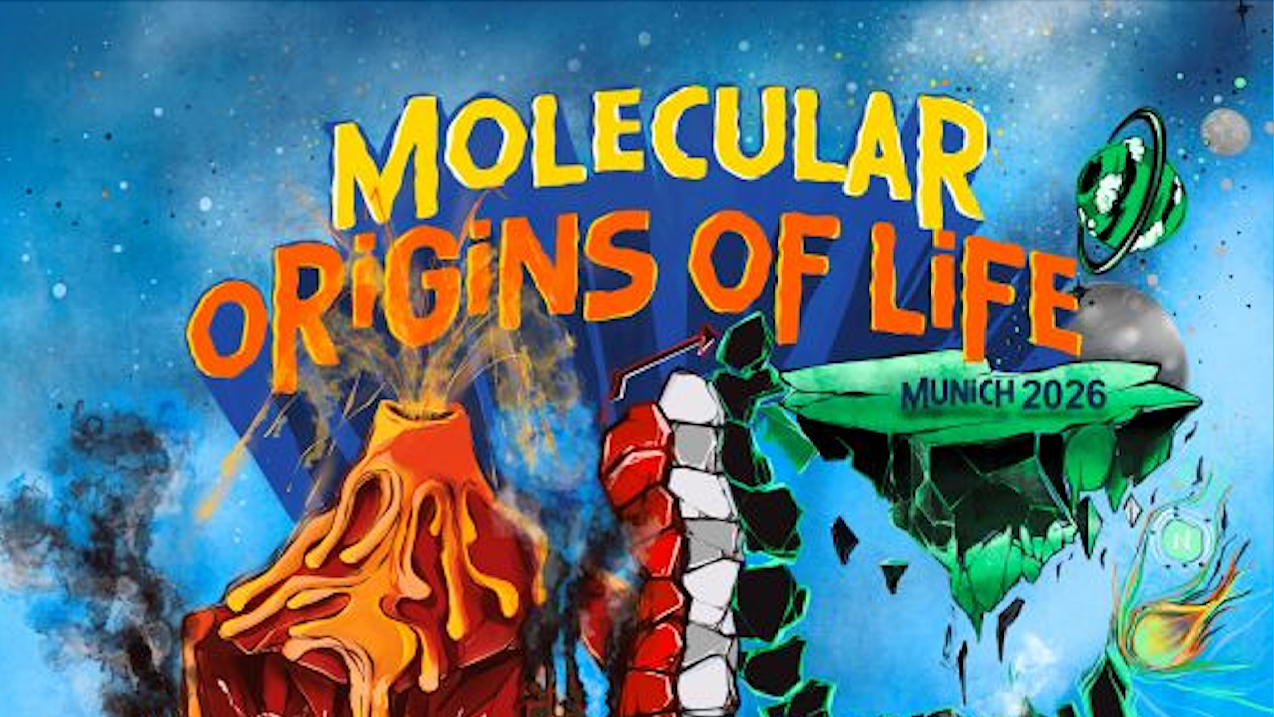
Molecular Origins of Life, Munich (MOM 2026) Molecular Origins of Life, Munich (MOM 2026) explores one of science’s most fundamental questions: How did life begin? Link: https://indico.physik.uni-muenchen.de/event/645/overview Featuring talks by
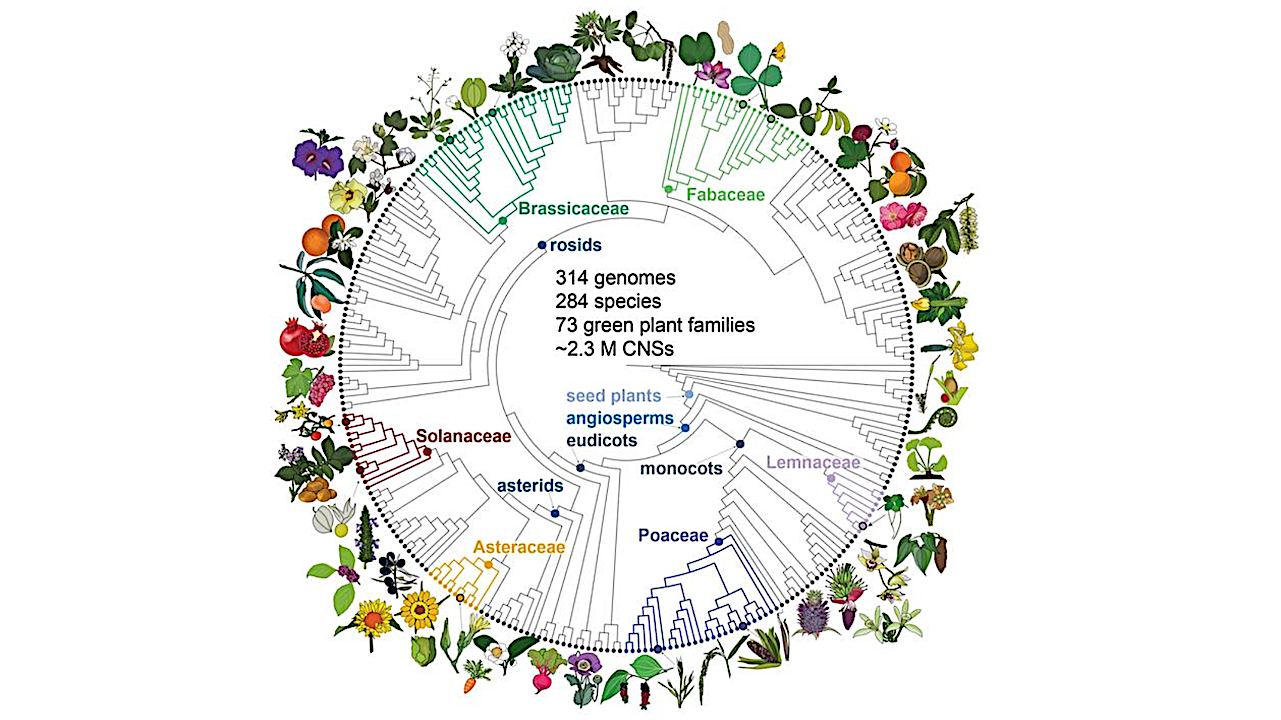
Phylogeny of the 284 species of plants included in Conservatory data set. Conservatory uncovered ~2.3 million conserved non-coding DNA sequences across 284 plant species from 72 families including eudicots, monocots,
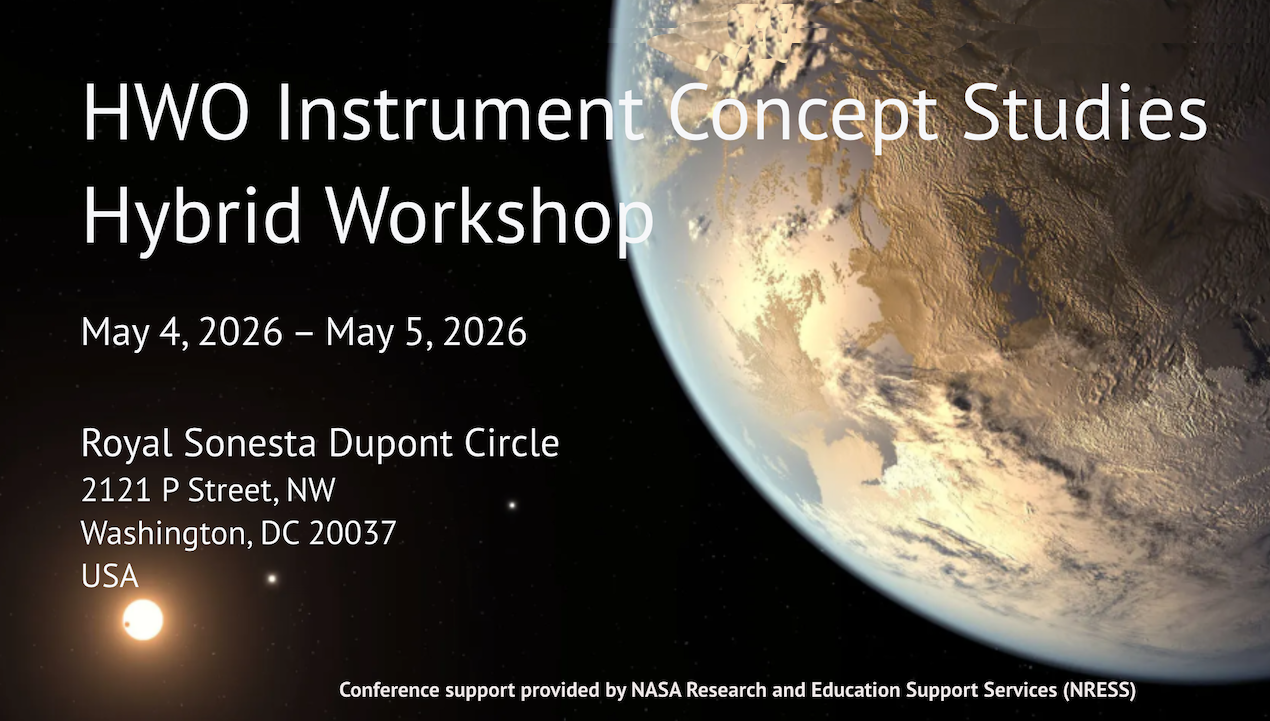
Pre-Proposal Workshop For HWO Instrument Concept Studies Solicitation Workshop Date/Time: May 4th-5th Registration Opens: March 18th, 8AM Eastern NASA plans to solicit proposals for carrying out U.S.-led HWO instrument concept
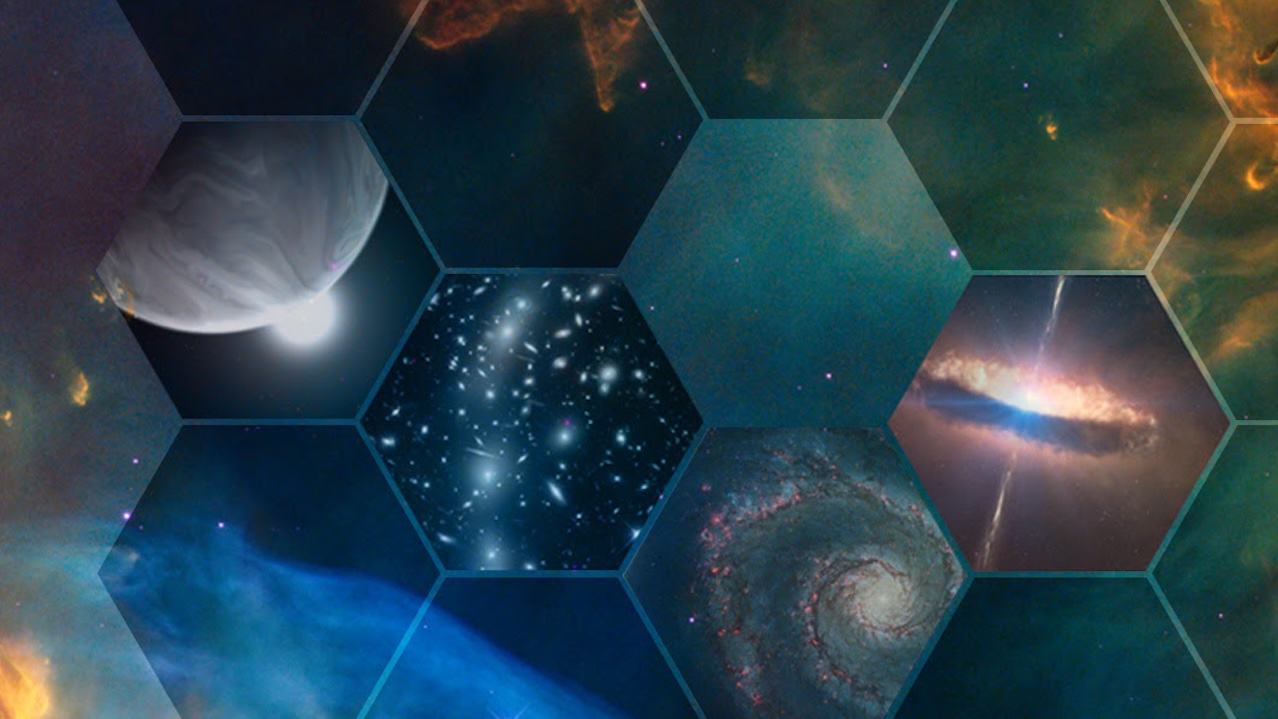
STScI Announces the JWST Cycle 5 General Observer Program STScI announces the selection of 254 JWST General Observer (GO) programs for Cycle 5. This follows the review of 2,855 submitted
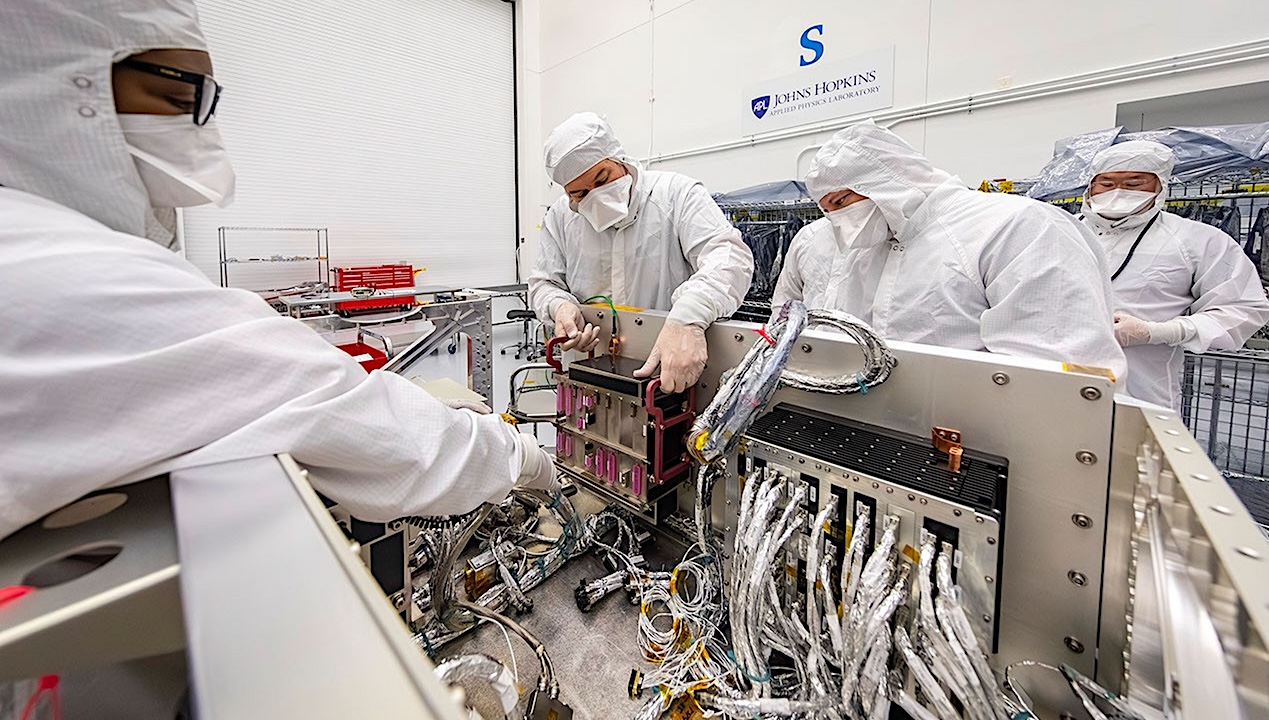
From left, Carlisa Drew, Seth Harvey, Anthony Fanelli, Emory Toomey and TJ Lee conduct power and functional testing on Dragonfly’s Integrated Electronics Module (IEM) and Power Switching Unit (PSU) in
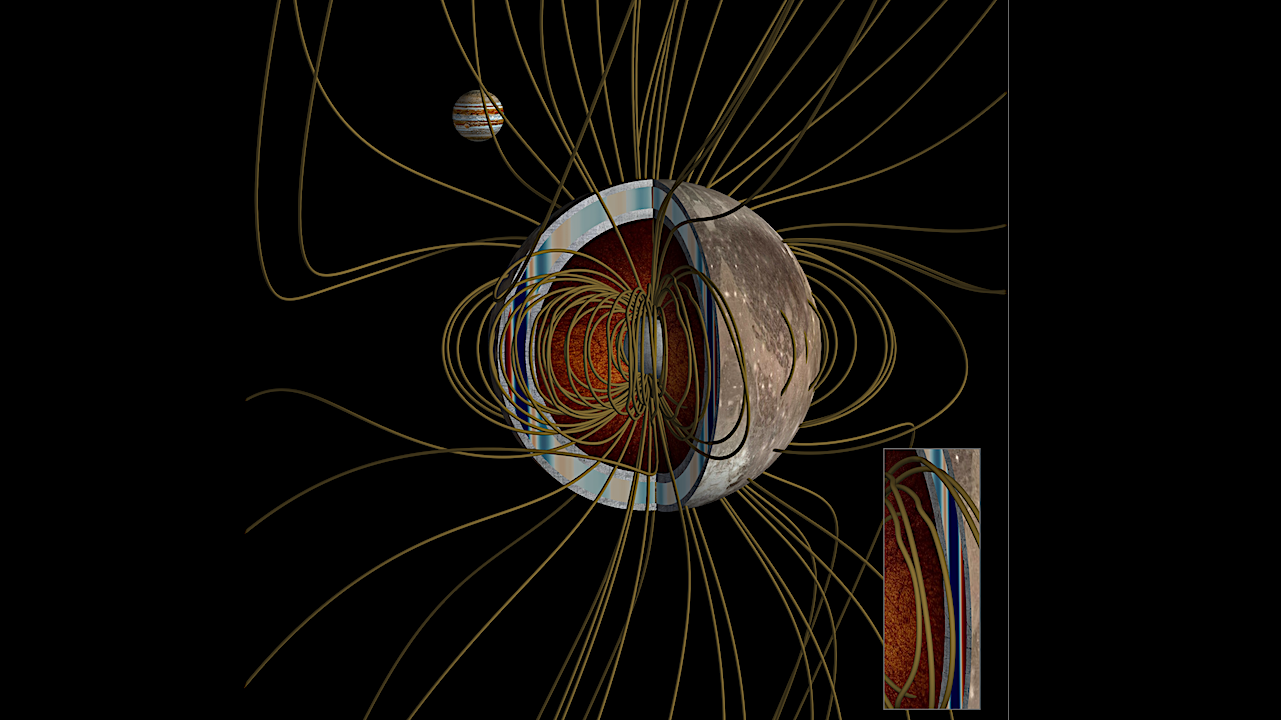
Status Report astro-ph.EP March 14, 2026 Numerical ocean-induction setup for Ganymede in a deep-ocean scenario with Re m = 1.77. Ganymede’s internal structure is depicted, featuring the ice crust, the
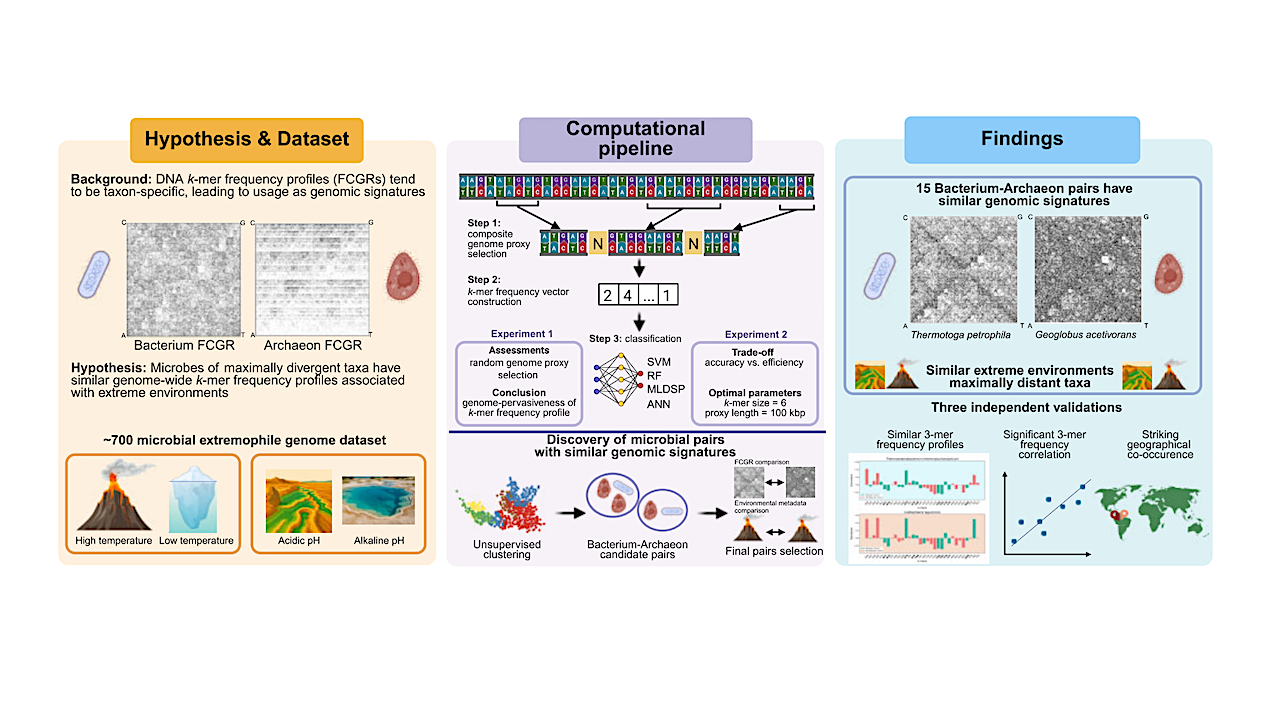
Graphical abstract — University of Waterloo Evolutionary biologists have long known that DNA, the molecule that carries the genetic instructions for the development, functioning, growth and reproduction of all organisms,
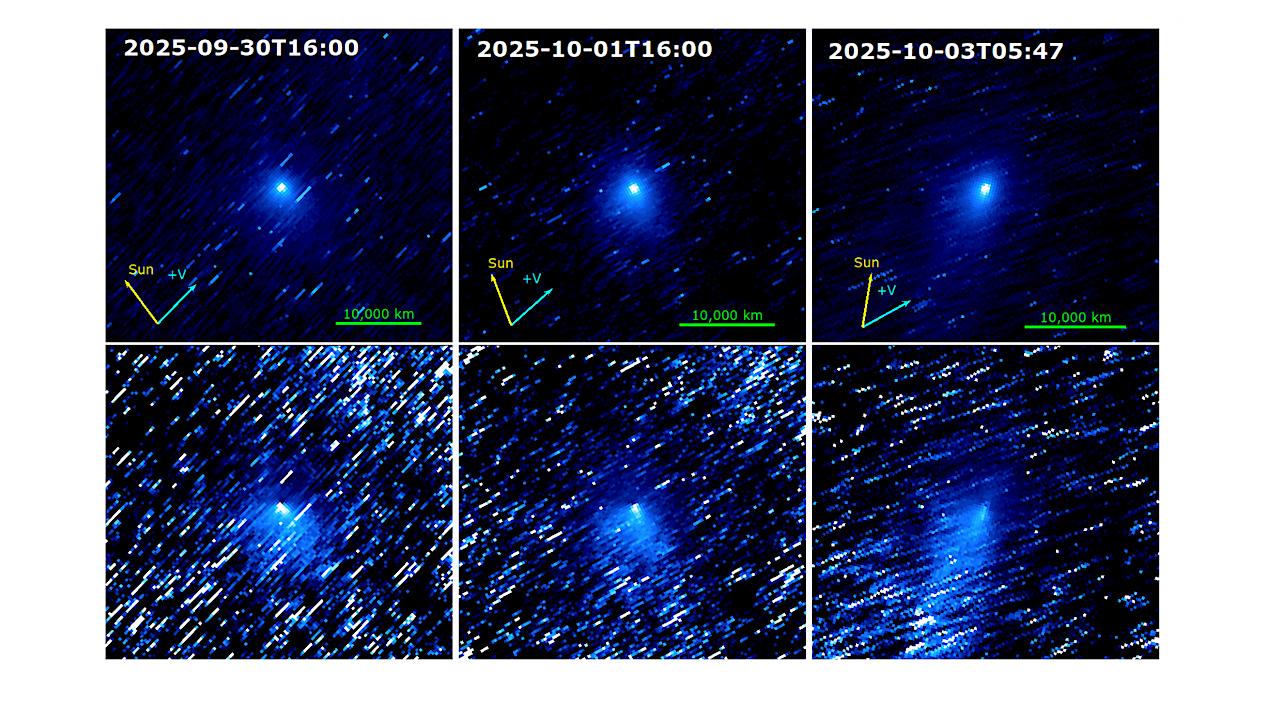
Stacked images of 3I/ATLAS acquired by HiRIC CMOS camera onboard Tianwen-1 spacecraft (upper row) and the corresponding 1/ρ divided images (lower row) from the three epochs. All images are displayed