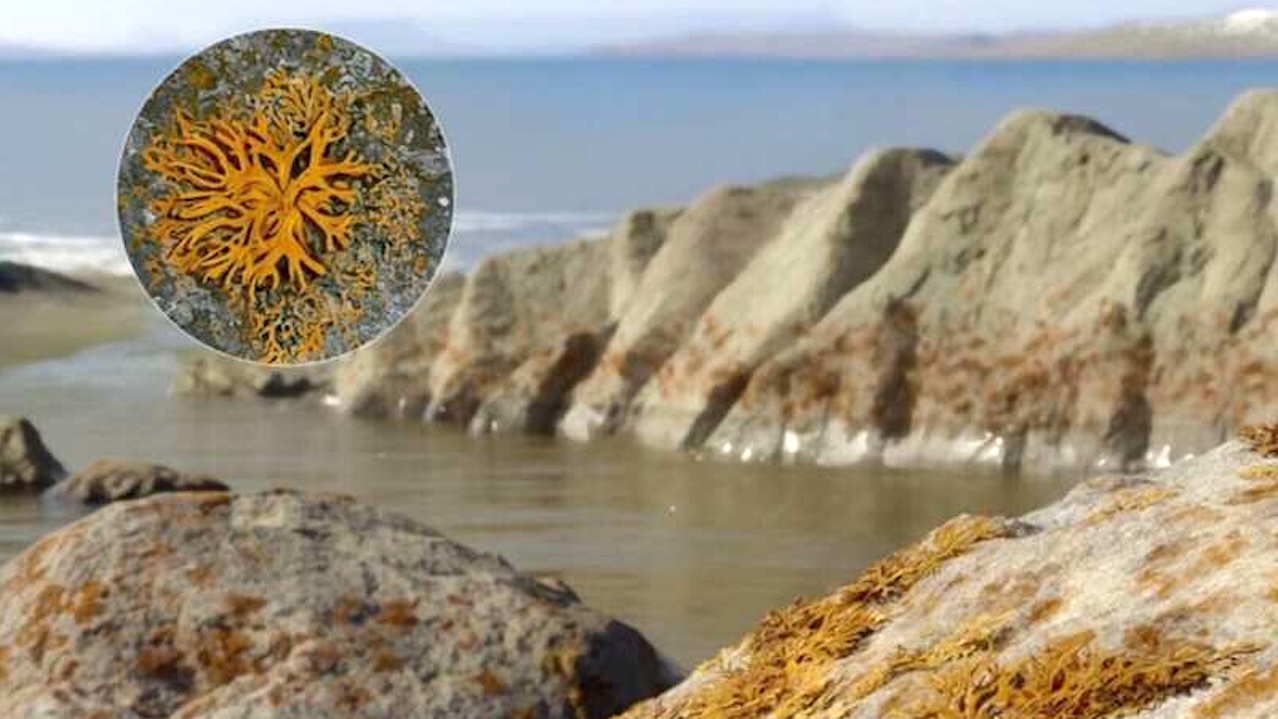
Artistic reconstruction of Spongiophyton during the Early Devonian in the high latitude depositional system of the Paraná Basin. Paleoart by J. Lacerda. Lichens were already widespread over 410 million years

Artistic reconstruction of Spongiophyton during the Early Devonian in the high latitude depositional system of the Paraná Basin. Paleoart by J. Lacerda. Lichens were already widespread over 410 million years
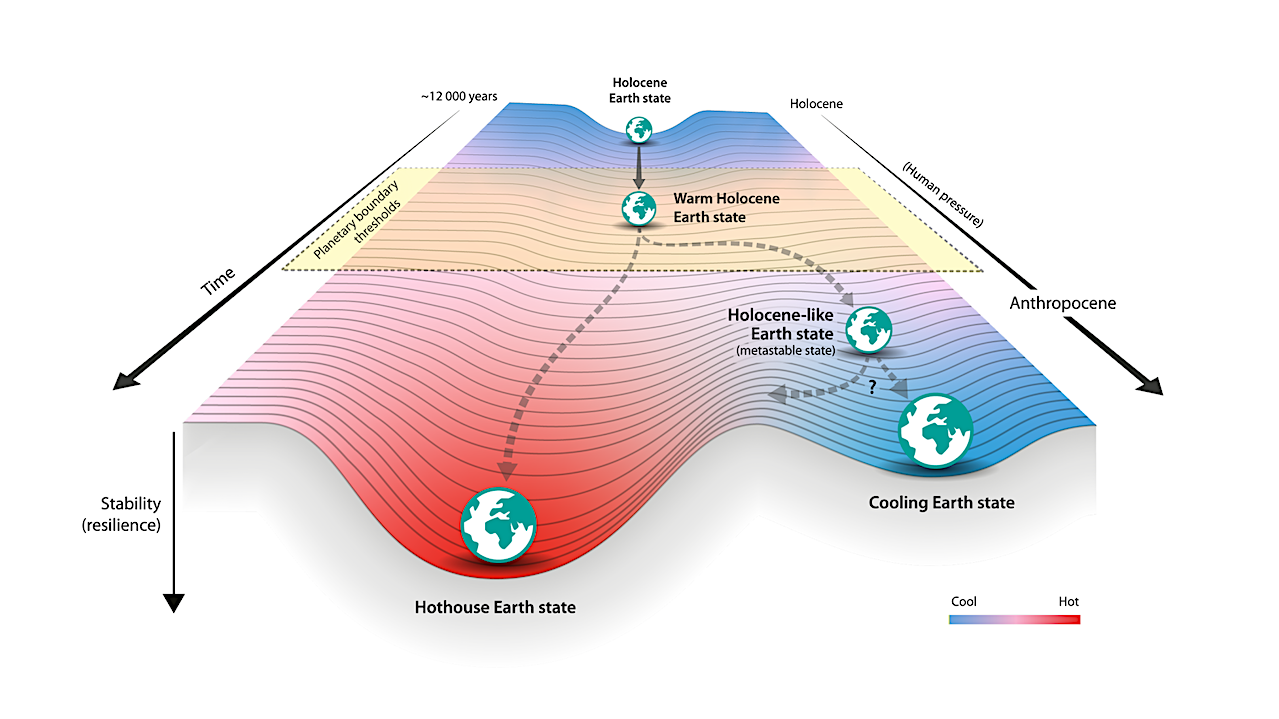
A schematic illustration of the evolution of the Earth System with a start from the Neolithic revolution ( 12.000 years ago). Leading up to its current state (i.e. ”warm Holocene
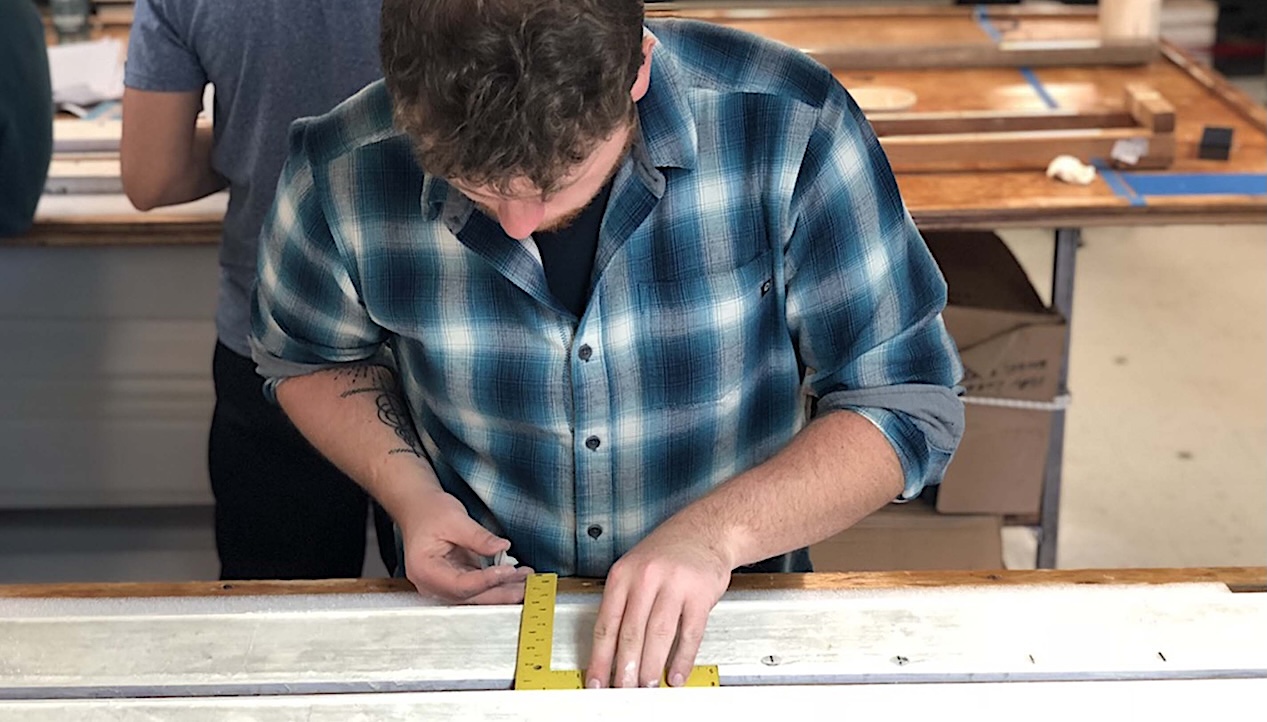
Ryan Glaubke measures and marks a sediment core used to reconstruct past deep-ocean salinity and carbon storage. — Credit Rutgers University Climate change has many culprits, from agriculture to transportation
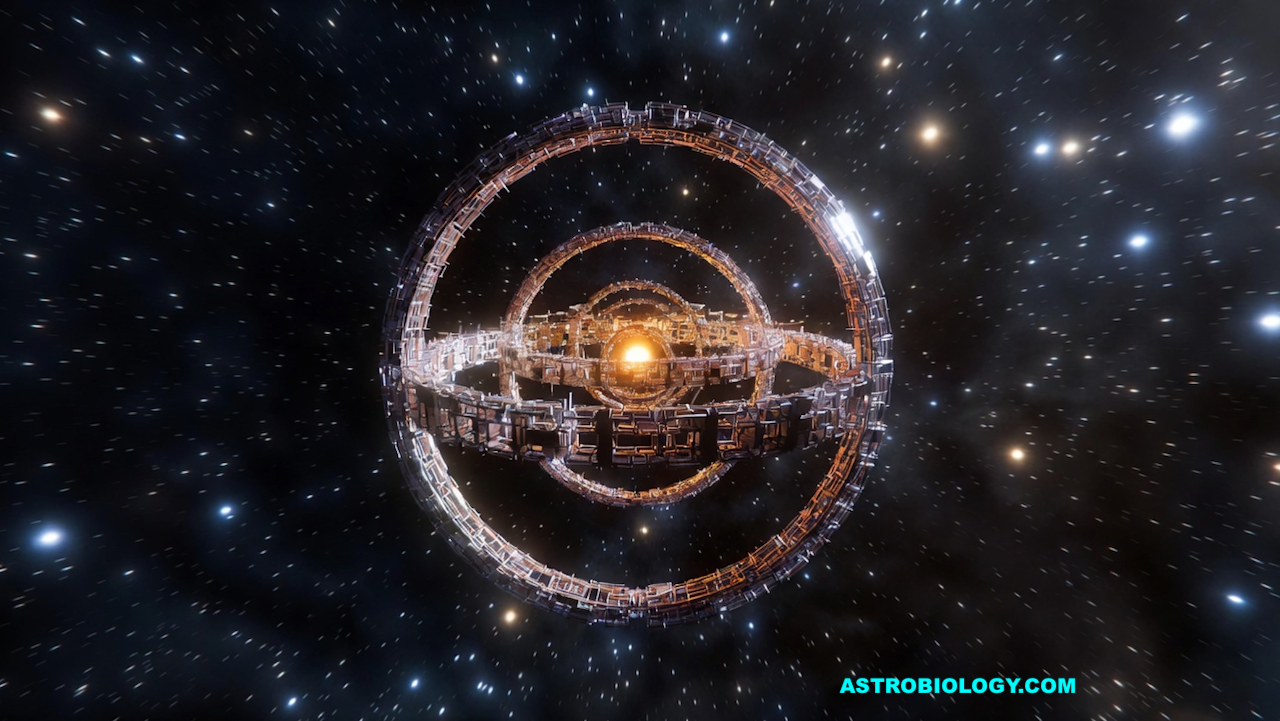
A notional Dyson sphere – Grok via Astrobiology.com We search for galaxy-scale (Dysonian) waste heat in the mid-infrared using WISE. Starting from the 2MASS Redshift Survey (2MRS), we cross-match to
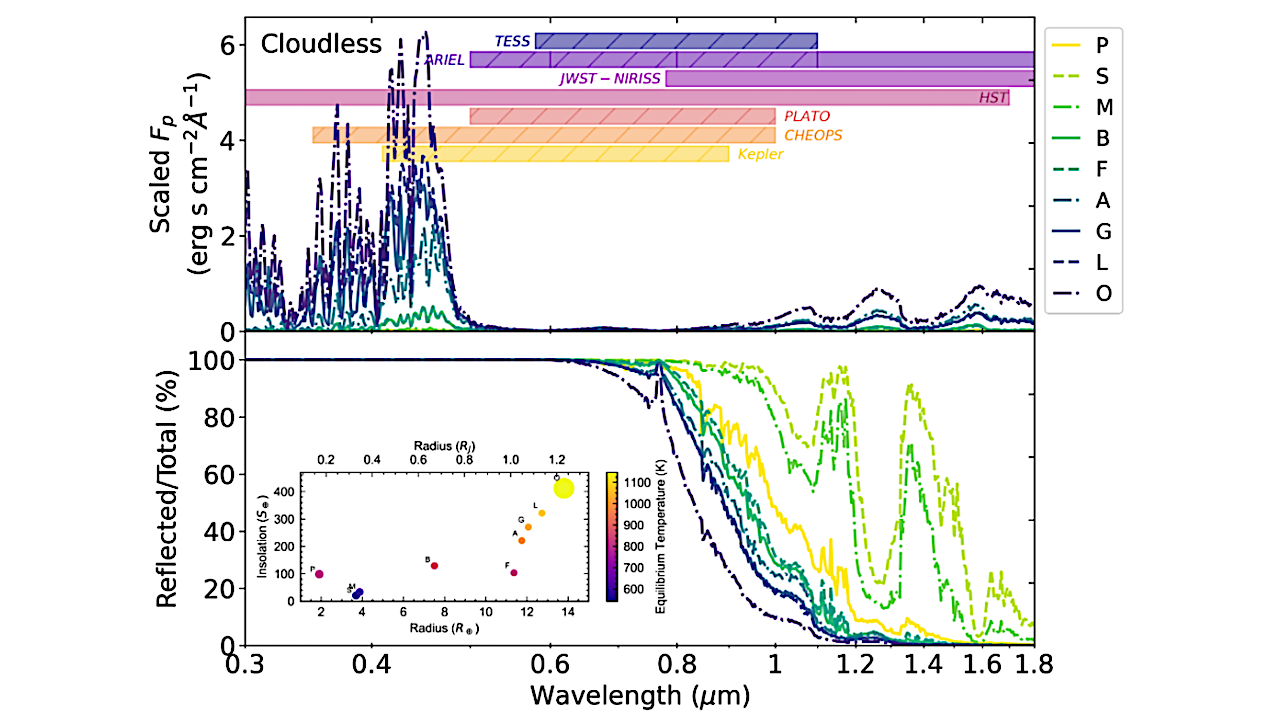
Top – the total planetary flux as measured in flux units for cloud-free planetary atmospheres. Bottom – the percent contribution of reflected light to the total flux as a function
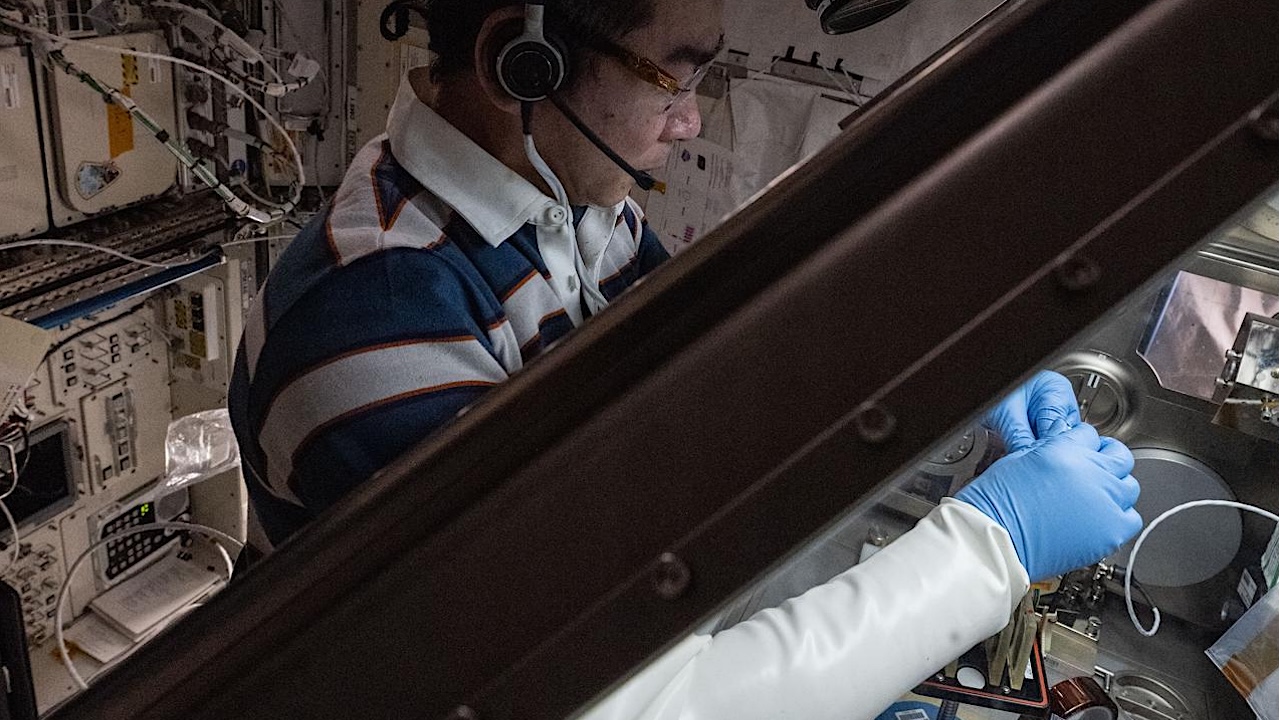
Keith Cowing Explorers Club Fellow, ex-NASA Space Station Payload manager/space biologist, Away Teams, Journalist, Lapsed climber, Synaesthete, Na’Vi-Jedi-Freman-Buddhist-mix, ASL, Devon Island and Everest Base Camp veteran, (he/him) 🖖🏻 Follow on
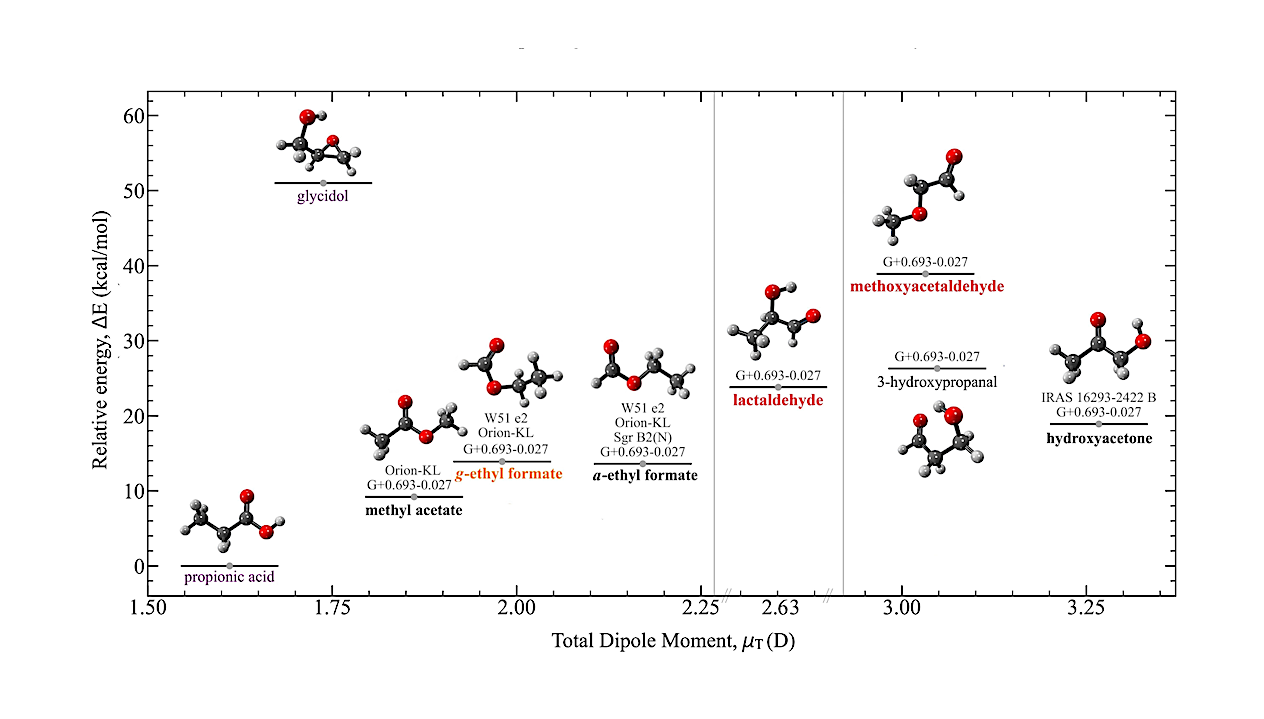
Relative energies (including zero-point energy, ZPE, corrections) plotted as a function of the total dipole moment for the targeted C3H6O2 isomers, computed at the B2PLYPD3/aug-cc-pVTZ level of theory (Grimme et
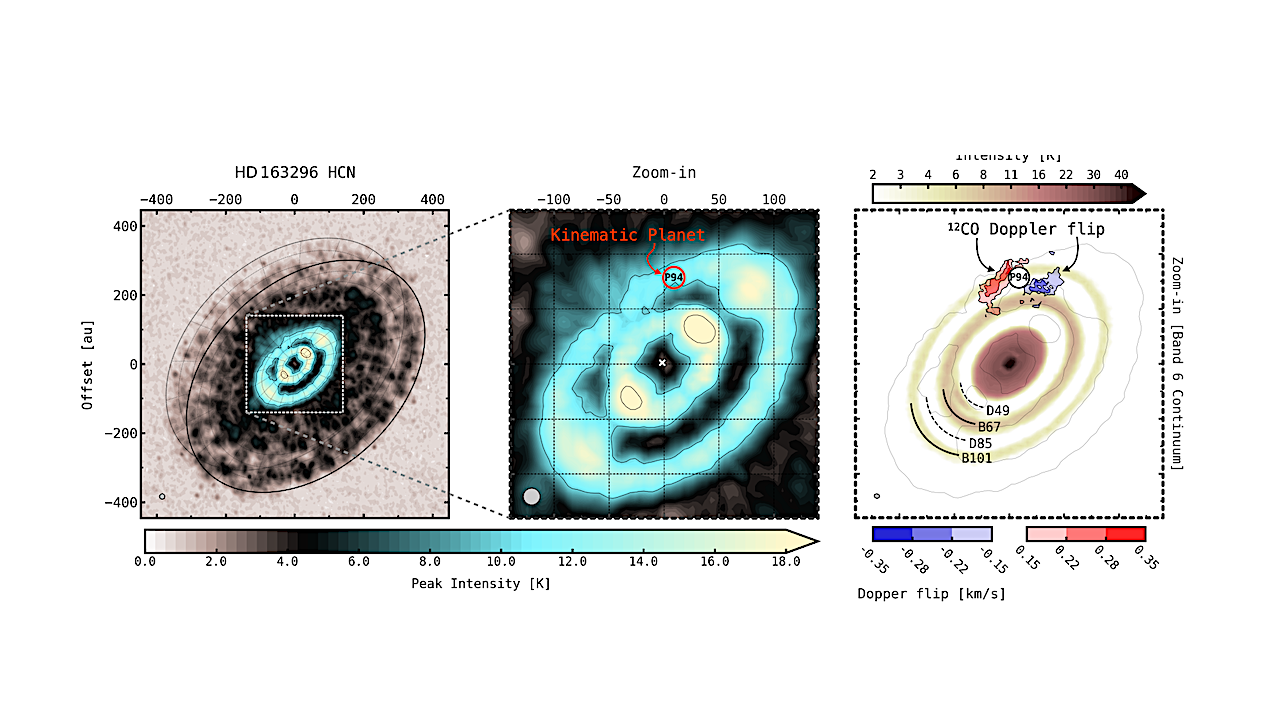
HCN and millimeter dust continuum emission from the disc of HD 163296 as observed with ALMA. The left panel shows the absolute peak intensity of HCN J = 3 →

Keith Cowing Explorers Club Fellow, ex-NASA Space Station Payload manager/space biologist, Away Teams, Journalist, Lapsed climber, Synaesthete, Na’Vi-Jedi-Freman-Buddhist-mix, ASL, Devon Island and Everest Base Camp veteran, (he/him) 🖖🏻 Follow on
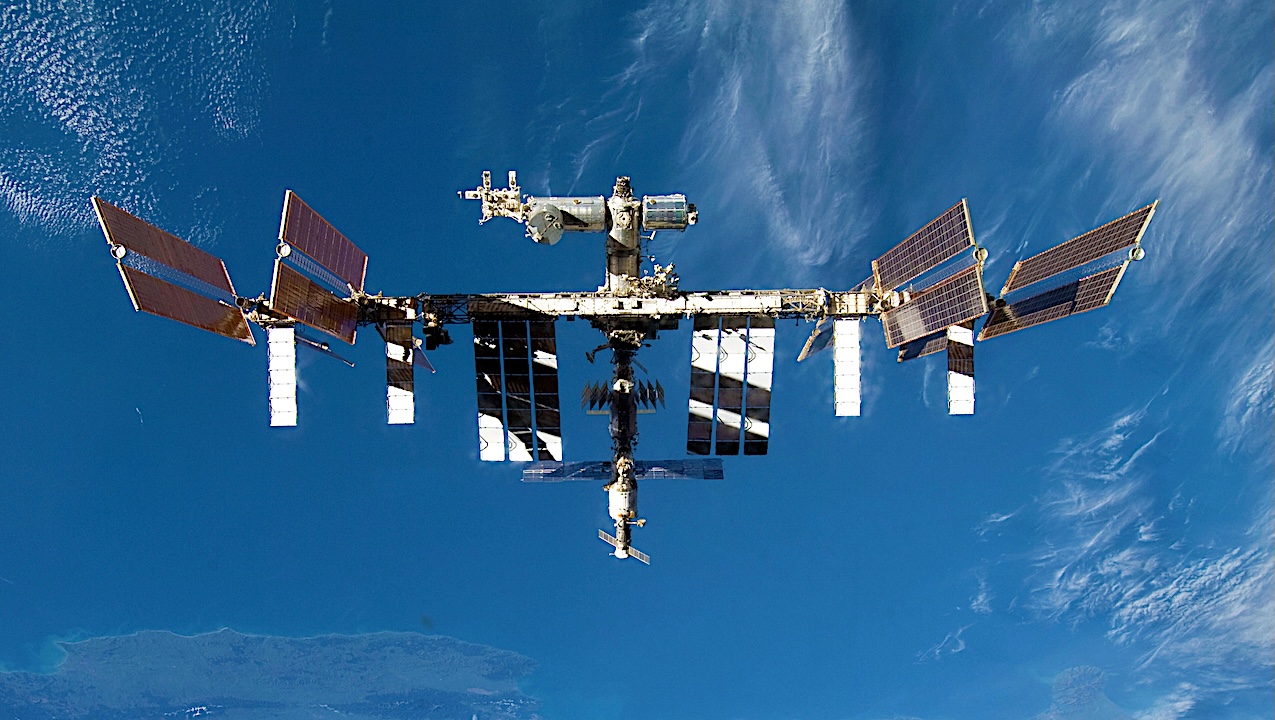
Backdropped by a blue and white part of Earth, the International Space Station is seen from Space Shuttle Discovery as the two spacecraft begin their relative separation. S128-E-010004 (8 Sept.