Refractory ratio of stars compared to their exoplanets as populations. The host stars population is shown in red at contours of 1 and 2 σ values, while the dotted contour

Refractory ratio of stars compared to their exoplanets as populations. The host stars population is shown in red at contours of 1 and 2 σ values, while the dotted contour
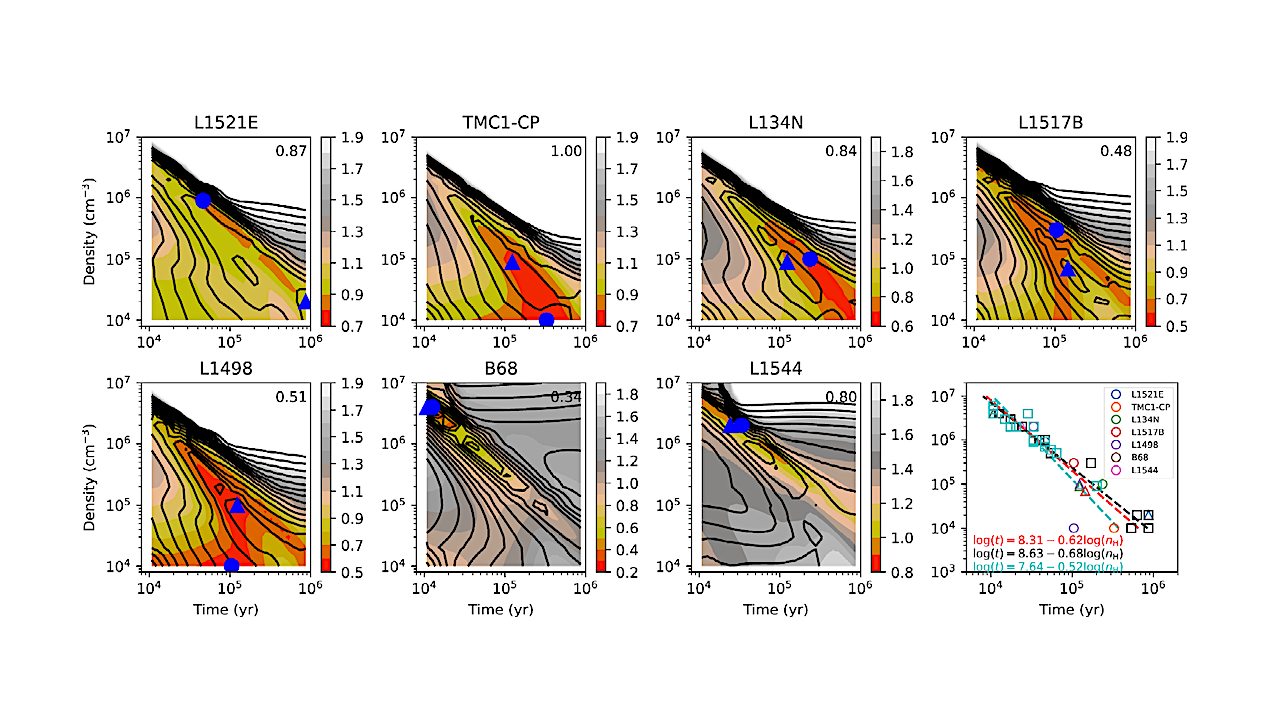
Average difference (D ¯) between models and observations over model time (x-axis) and model density (y-axis) for the seven objects except the last panel which is for the determined best
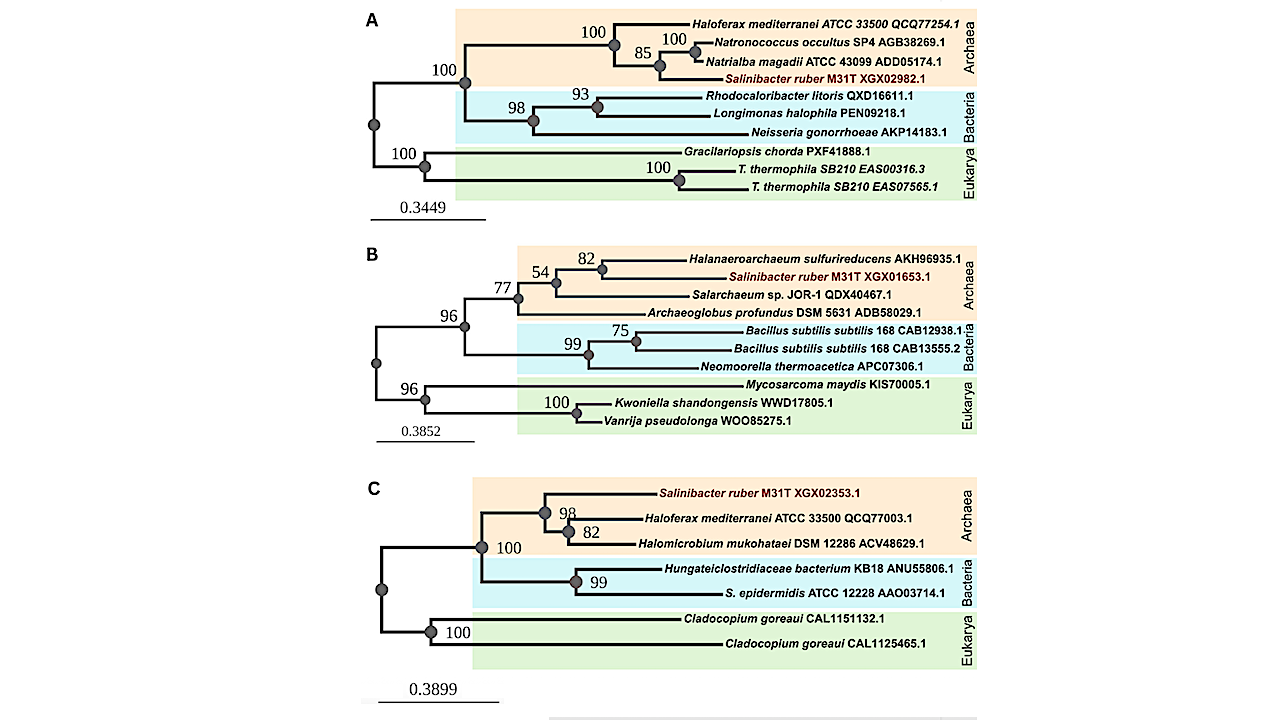
Maximum likelihood phylogenetic trees of the S. ruber M31T-predicted proteins with an archaeal evolutionary history potentially acquired by horizontal gene transfer: (A) sodium-dependent transporter (XGX02982.1); (B) MFS transporter (XGX01653.1); and
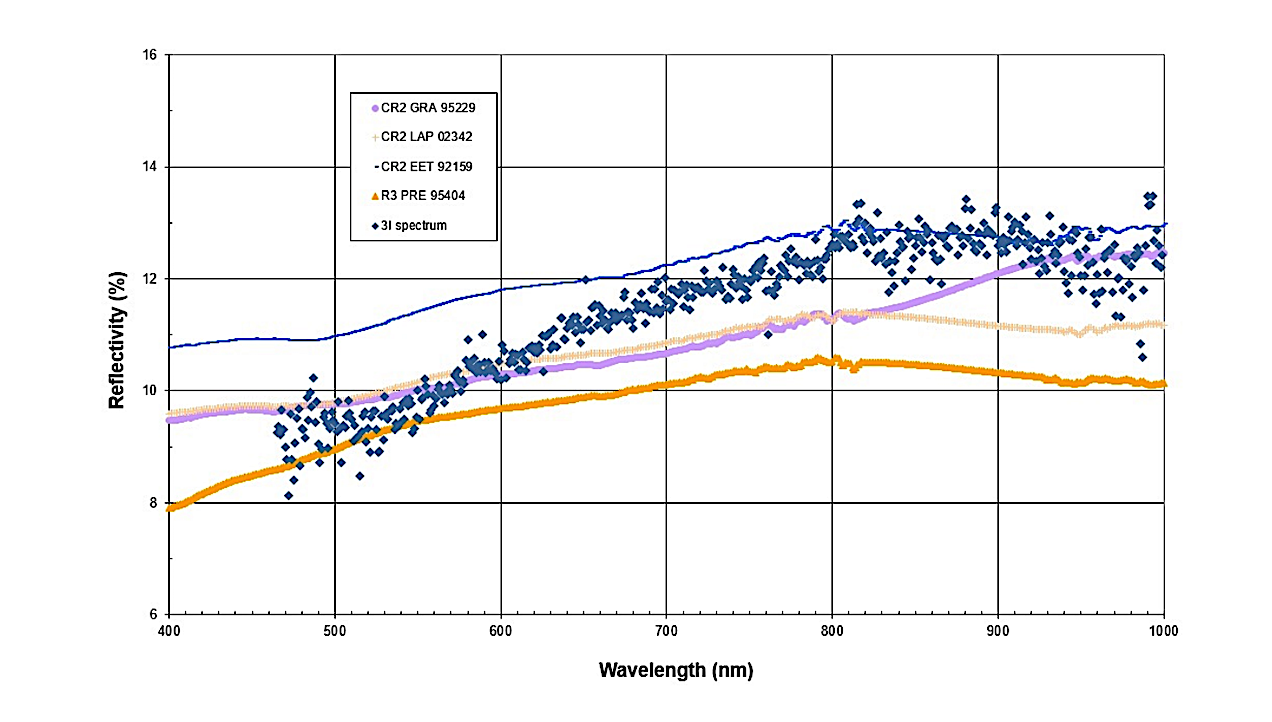
3I spectrum (dots) and the reflectance spectra of three CR and one R chondrite discussed in the text. — astro-ph.EP 3I/ATLAS is only the second confirmed cometary object known to
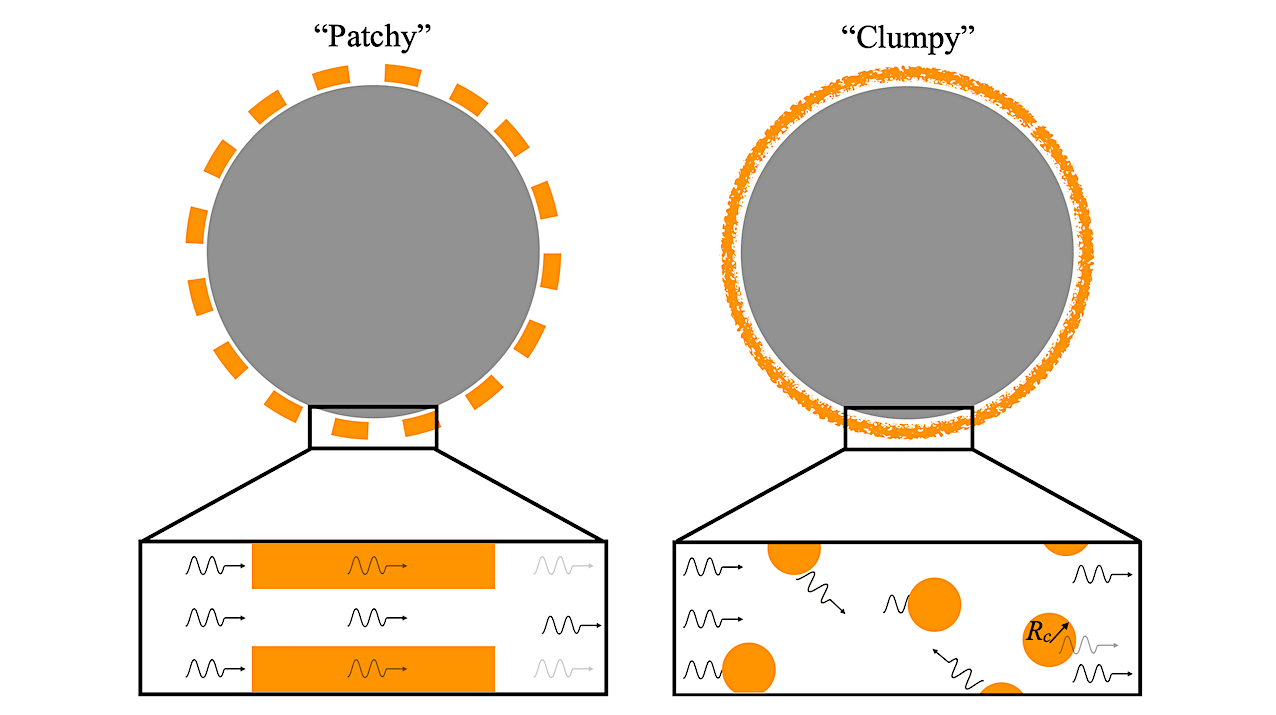
Schematic cartoon showing the difference between the patchy and clumpy formalisms, with a zoom in to the transmission geometry (where the star is to the left, and the observer to
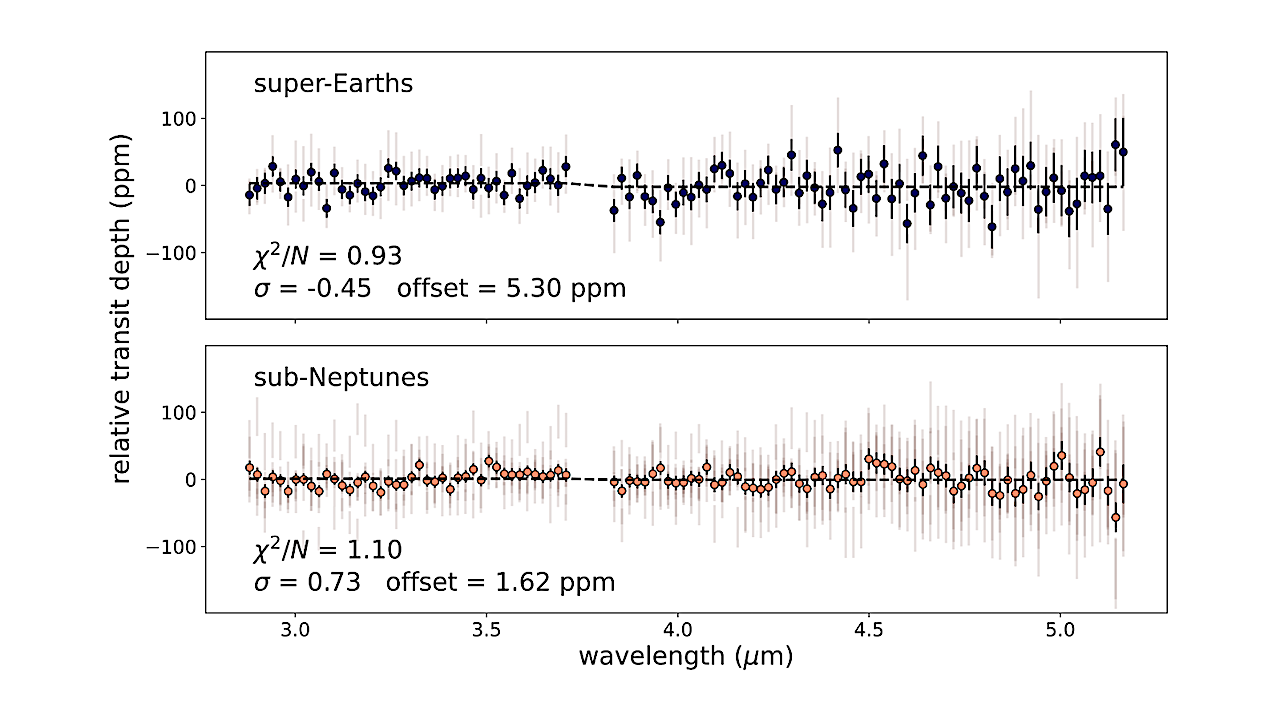
Composite spectra for the five super-Earths (top) and two sub-Neptunes (bottom). The dashed line represents the best-fit flat line model including an offset between NRS1 and NRS2, and the χ
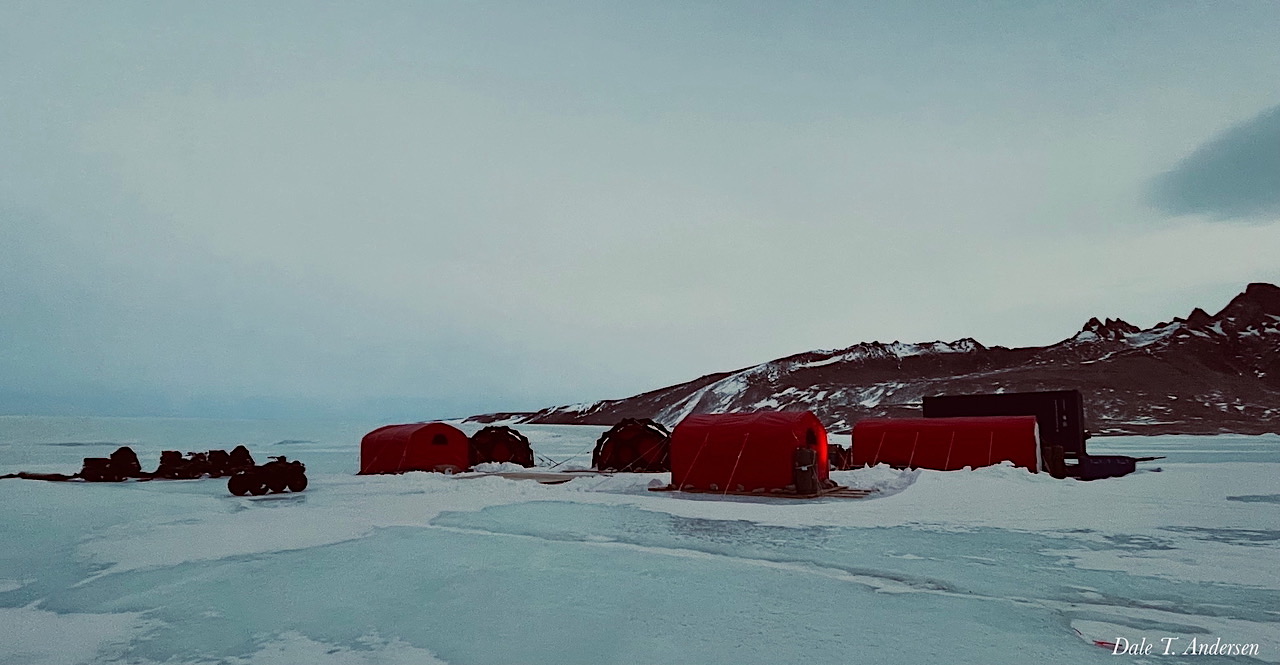
Base Camp Infrastructure on the ice at Lake Untersee, Antarctica — Dale Andersen Keith’s note: Astrobiologist Dale Andersen will be back in Antarctica at Lake Untersee from early January through
Base Camp Infrastructure on the ice at Lake Untersee, Antarctica — Dale Andersen Keith’s note: Astrobiologist Dale Andersen will be back in Antarctica at Lake Untersee from early January through
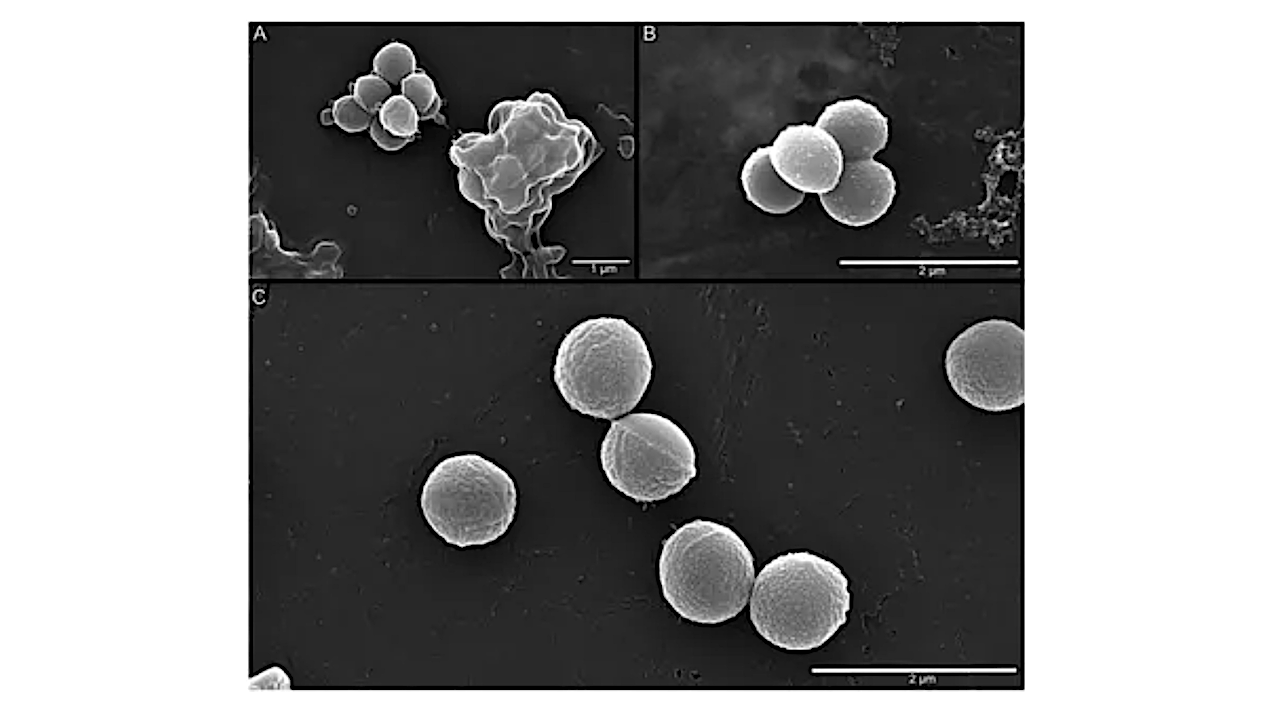
SEM images of A. agilis Ant-EH-1 grown at (A) 25 °C; (B) 5 °C; (C) −5 °C. — Frontiers via PubMed Arthrobacter are commonly isolated from cold soil environments globally, including those that
SEM images of A. agilis Ant-EH-1 grown at (A) 25 °C; (B) 5 °C; (C) −5 °C. — Frontiers via PubMed Arthrobacter are commonly isolated from cold soil environments globally, including those that