CSDA Menu CSDA Commercial Data Commercial Datasets Commercial Satellite Data Explorer Satellite Data Evaluation CSDA Vendors Airbus BlackSky Capella Space GeoOptics GHGSat ICEYE Vantor Planet PlanetiQ Polar Geospatial Center Satellogic

CSDA Menu CSDA Commercial Data Commercial Datasets Commercial Satellite Data Explorer Satellite Data Evaluation CSDA Vendors Airbus BlackSky Capella Space GeoOptics GHGSat ICEYE Vantor Planet PlanetiQ Polar Geospatial Center Satellogic
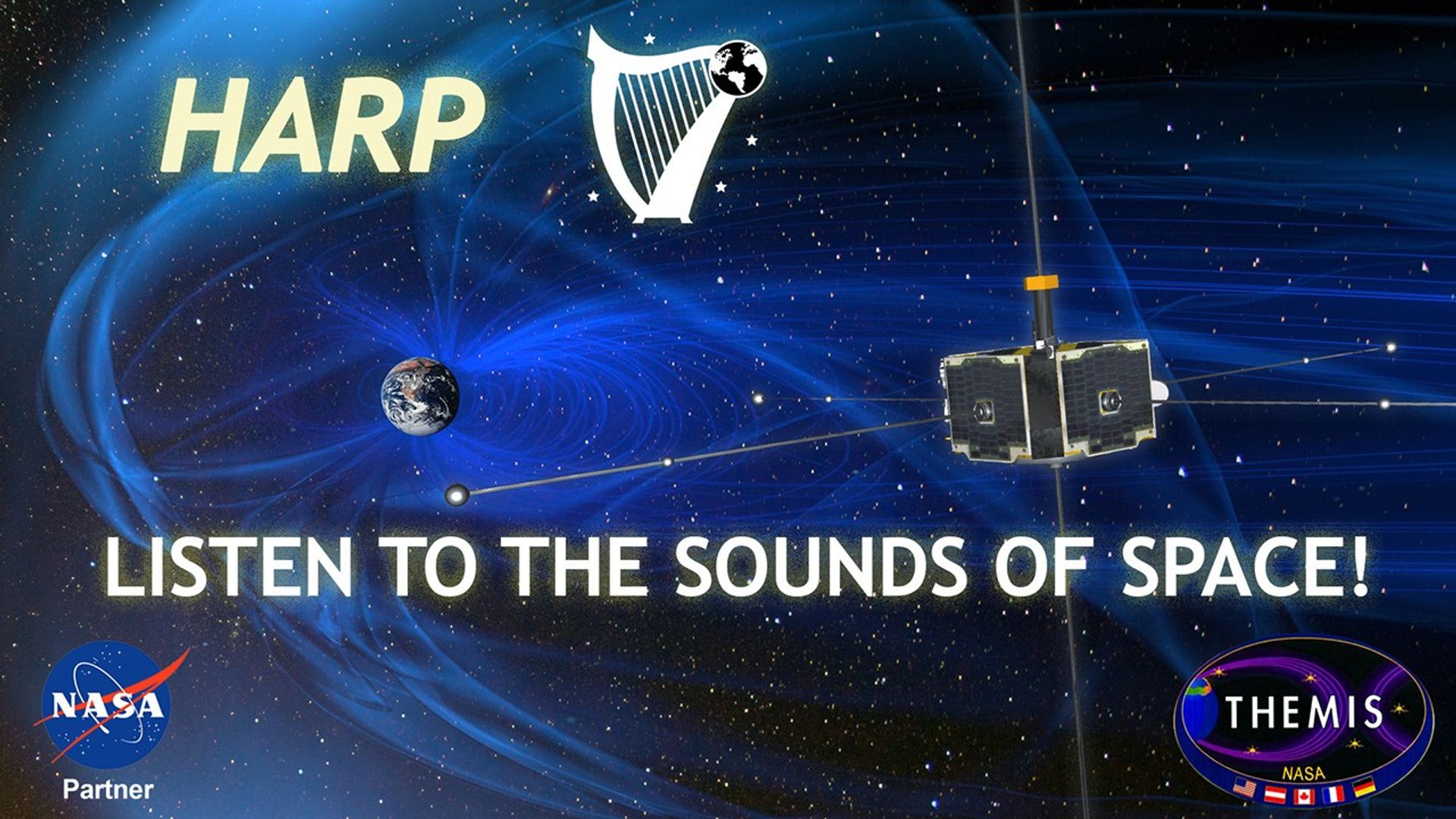
Our planet rests inside a magnetic cocoon filled with plasma – but it’s not always peaceful and quiet. Activity from the Sun can send waves through this space, and some
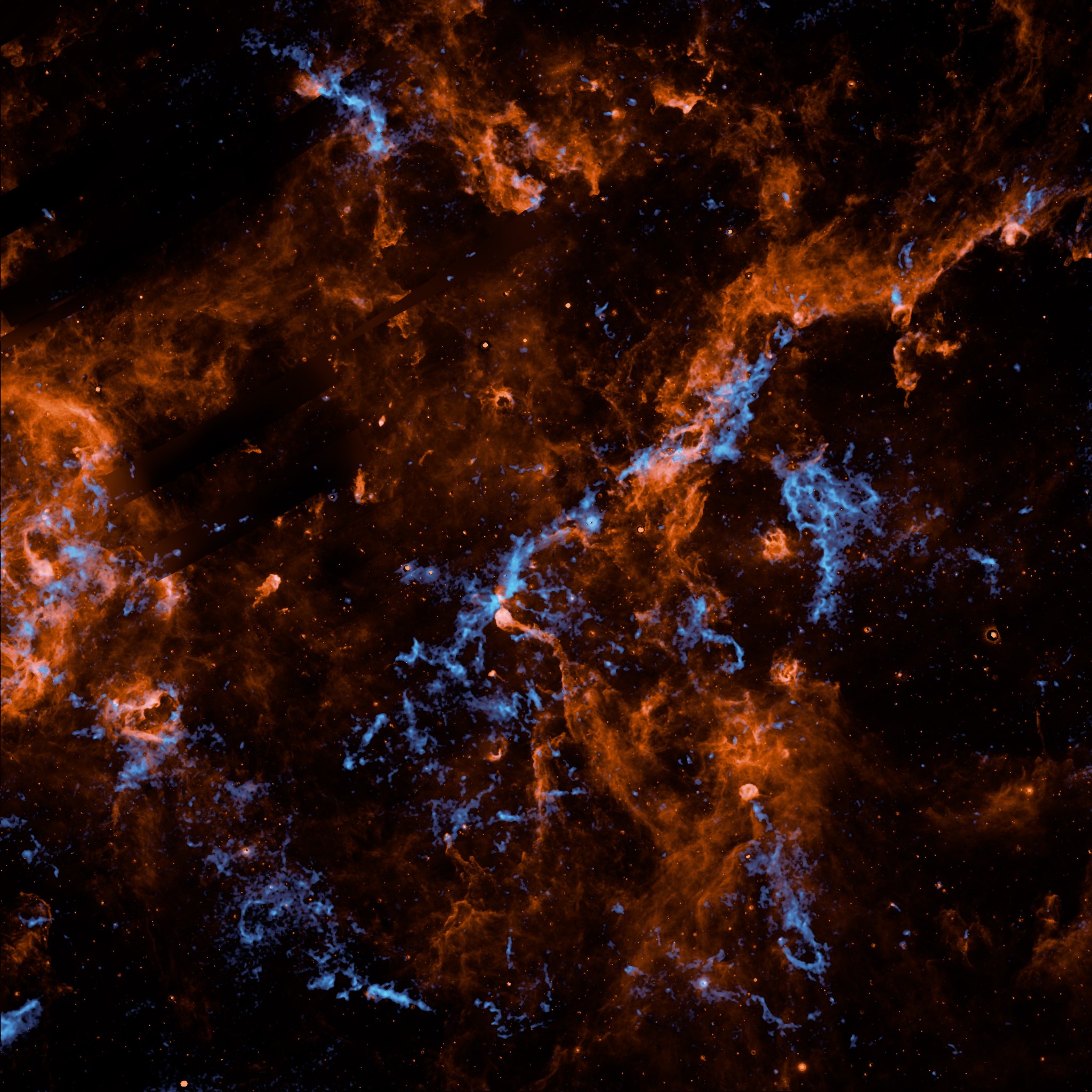
NASA/JPL-Caltech/IPAC/Hora et al. An observation made by NASA’s SPHEREx (Spectro-Photometer for the History of the Universe, Epoch of Reionization, and Ices Explorer) shows the chemical signatures of water ice (shown
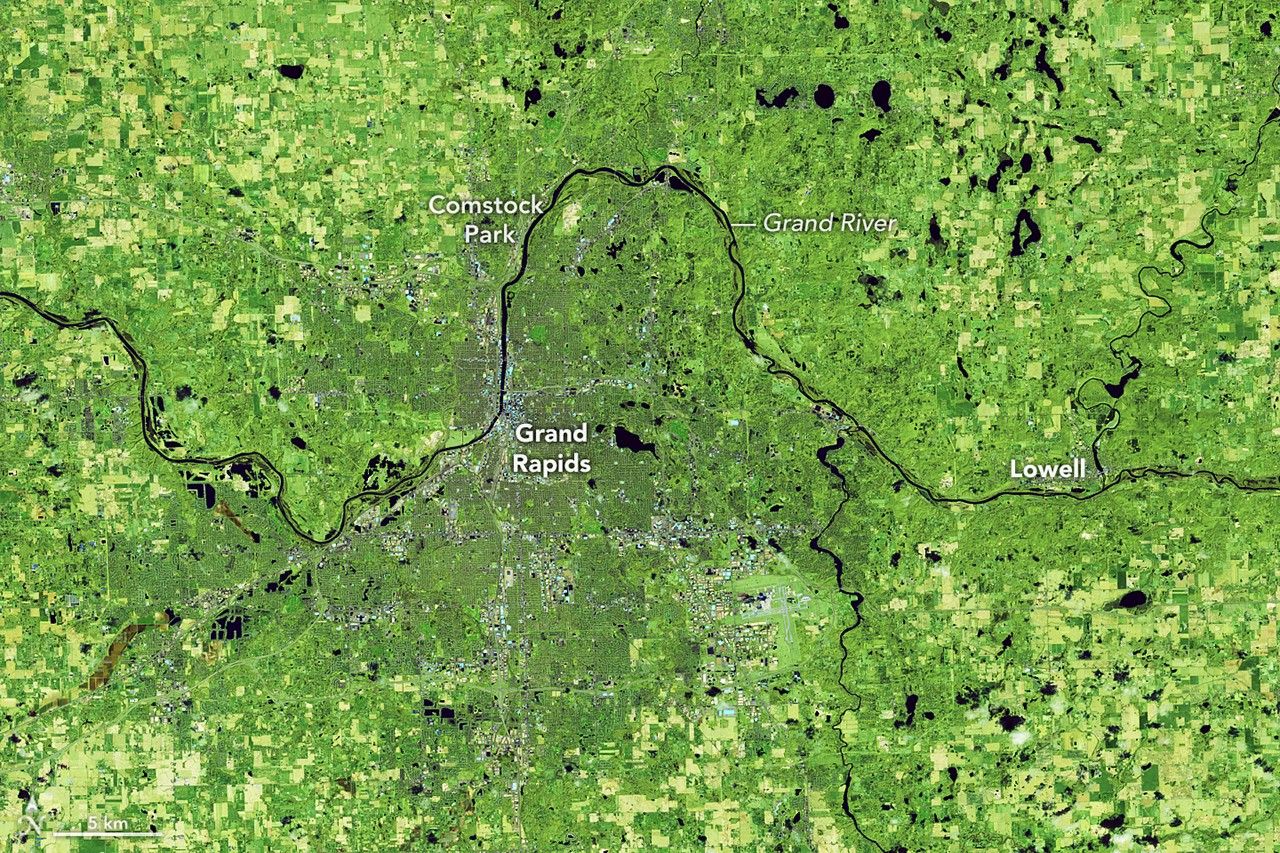
Earth Observatory Science Earth Observatory Spring Rains Saturate Michigan Earth Earth Observatory Image of the Day EO Explorer Topics All Topics Atmosphere Land Heat & Radiation Life on Earth Human
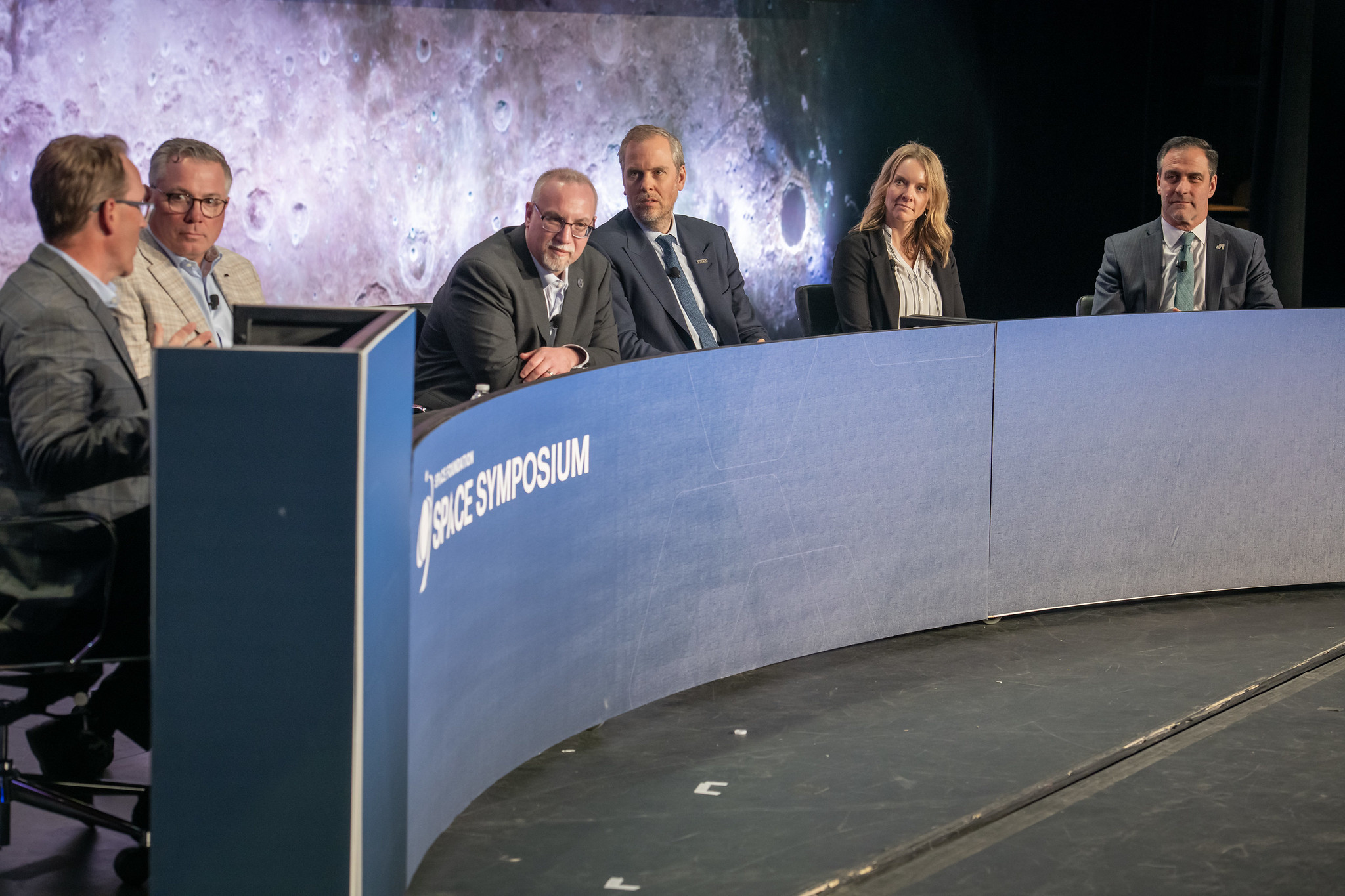
COLORADO SPRINGS — Companies proposing to develop commercial space stations are pushing back against claims by NASA that a market for such stations has yet to develop. During a panel

COLORADO SPRINGS — All Points Logistics has signed an agreement with NASA’s Kennedy Space Center to construct satellite processing facilities on center property. At a ceremony during the 41st Space
Credit: NASA The Republic of Latvia will sign the Artemis Accords during a ceremony at 9 a.m. EDT Monday, April 20, at NASA Headquarters in Washington. NASA Administrator Jared Isaacman
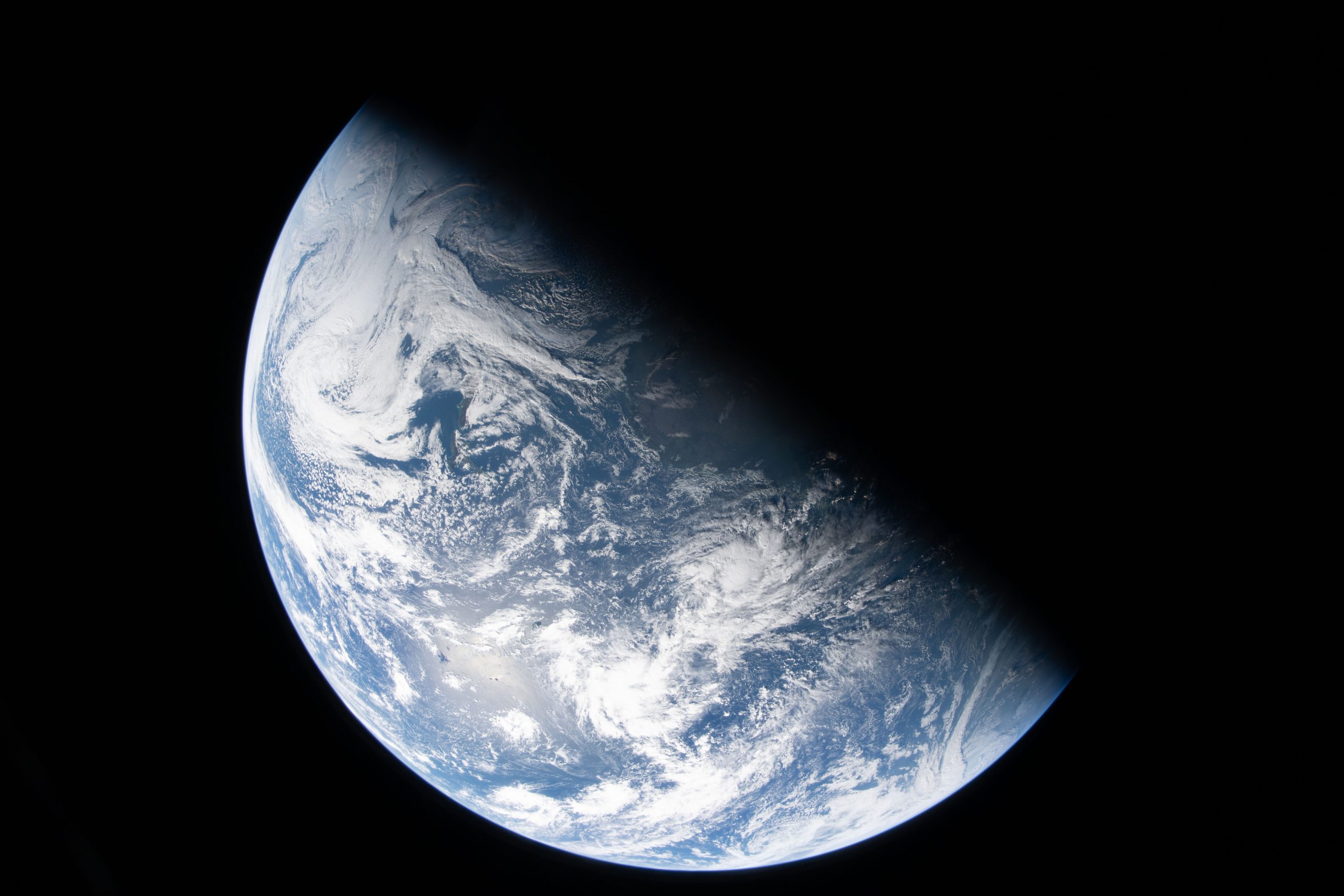
Two new proposed NASA Earth science missions will attempt to address key research topics while leveraging both commercial and exploration capabilities. During NASA’s “Ignition” event March 24, the agency announced
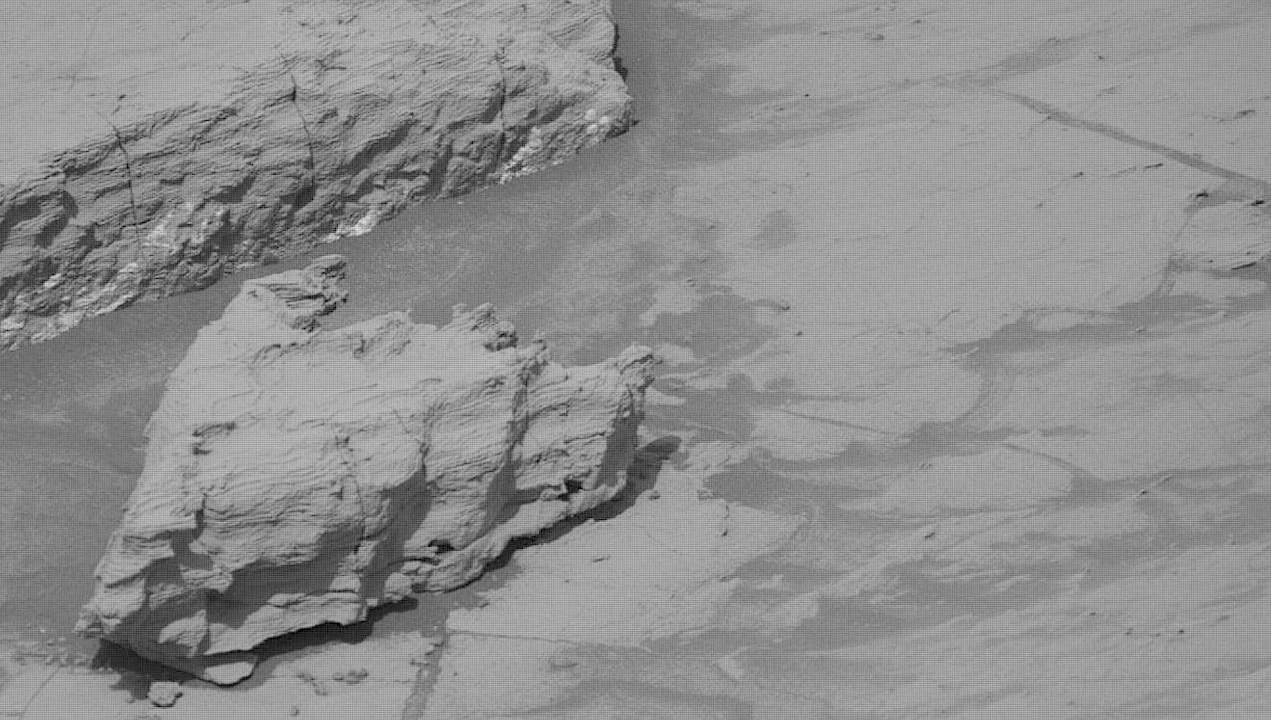
NASA’s Mars rover Curiosity acquired this image using its Mast Camera (Mastcam), showing polygons and other interesting textures that characterize the terrain beyond the boxwork area. Curiosity captured the image
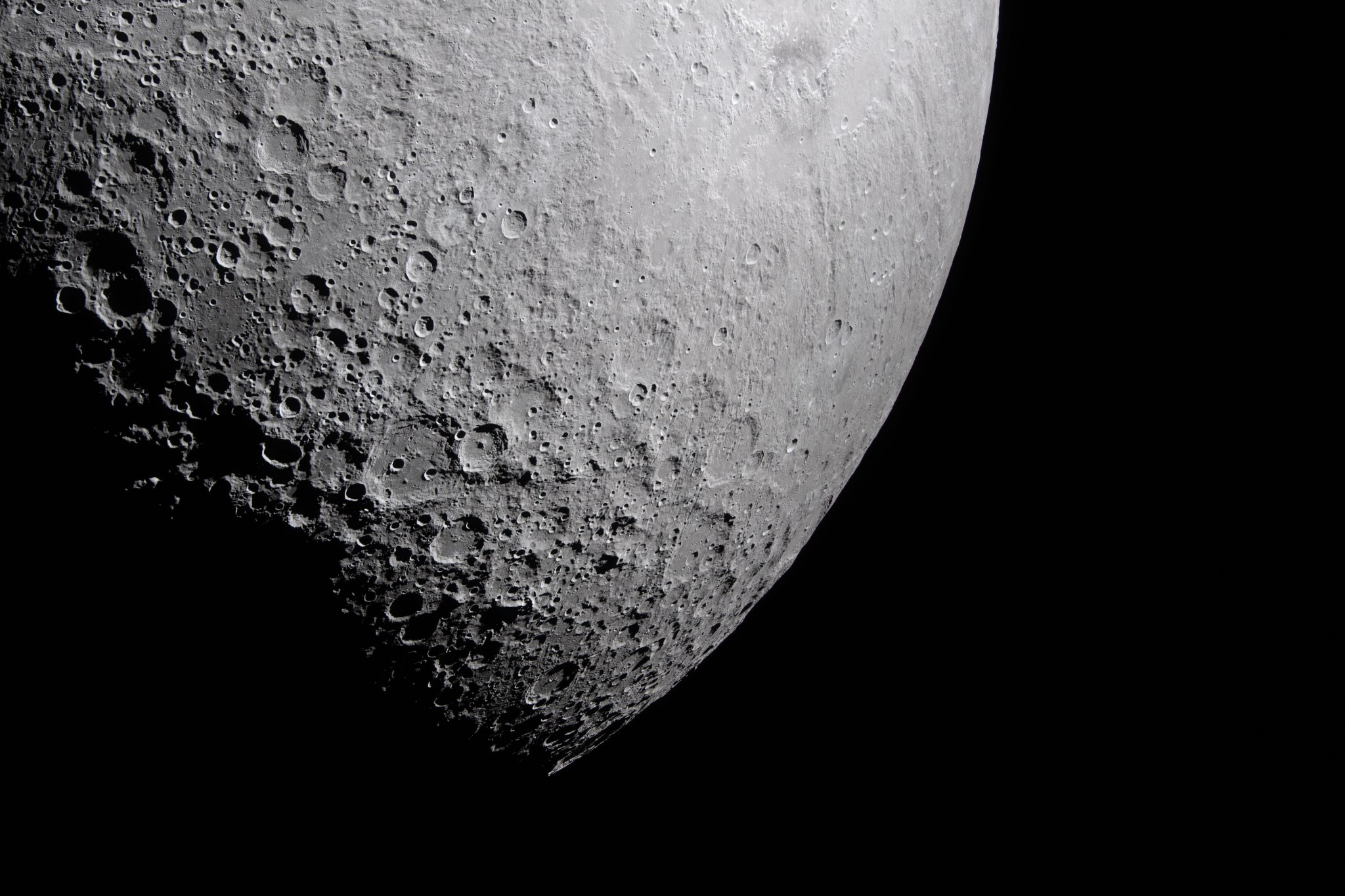
NASA In this photo taken on April 6, 2026, a portion of the Moon’s far side is seen along the terminator—the boundary between lunar day and night—where low-angle sunlight casts