
Explore This Section Earth Earth Observer Editor’s Corner Feature Articles Meeting Summaries News Science in the News In Memoriam Announcements Archives 2 min read 2026 NSTA Hyperwall Schedule NASA Science

nasa17- Page
2417Articles
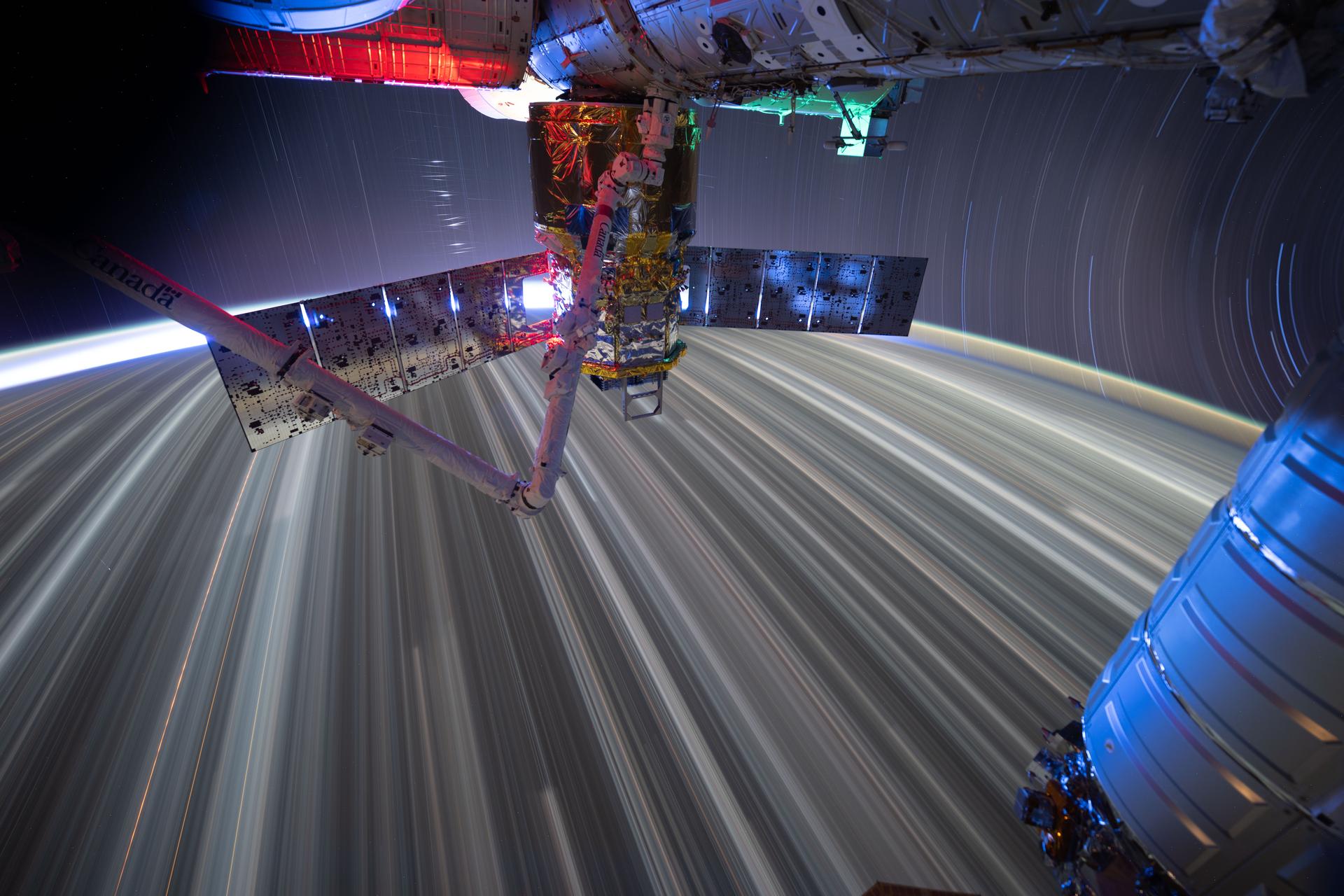
March was a dynamic month for the crew aboard the International Space Station, highlighted by the launch and departure of multiple vehicles, as well as a significant spacewalk. The Expedition
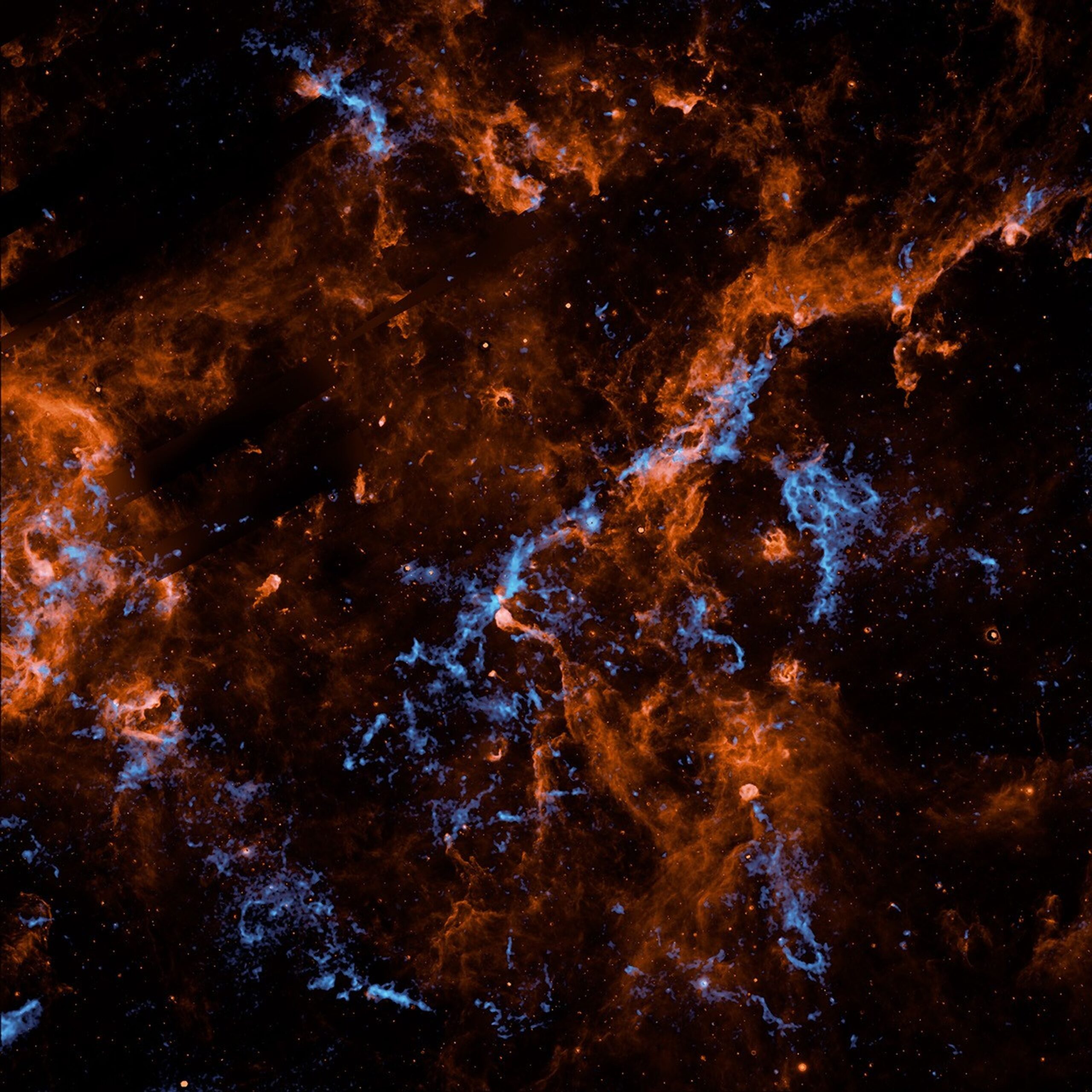
3 Min Read NASA’s SPHEREx Mission Maps Water Ice Throughout Cygnus X PIA26748 Credits: NASA/JPL-Caltech/IPAC/Hora et al. Photojournal Navigation Science Photojournal NASA’s SPHEREx Mission Maps… Photojournal Home Photojournal Search Latest
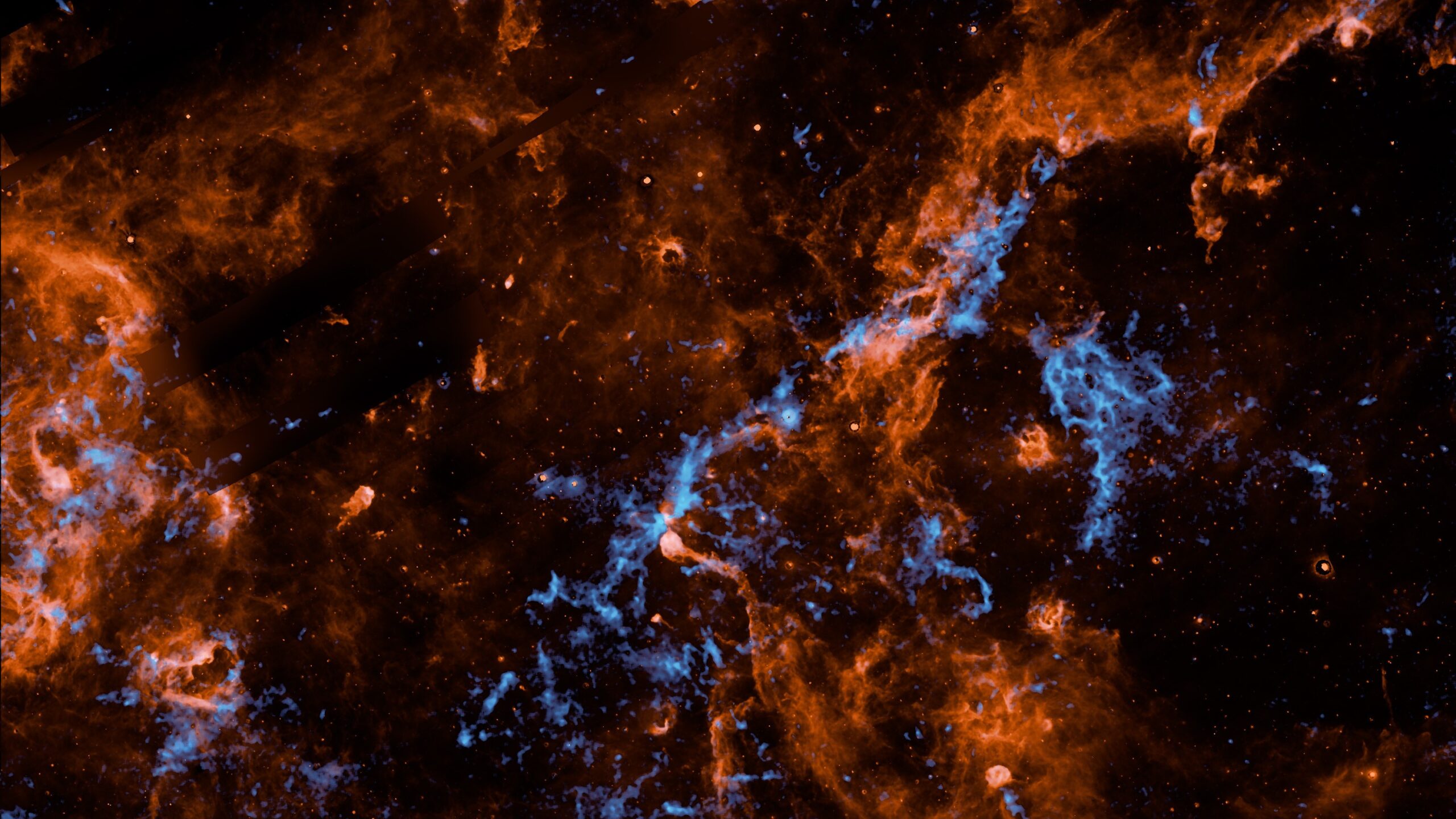
6 min read Preparations for Next Moonwalk Simulations Underway (and Underwater) Water ice highlighted Interstellar dust highlighted These observations made by NASA’s SPHEREx mission reveal vast frozen complexes in the
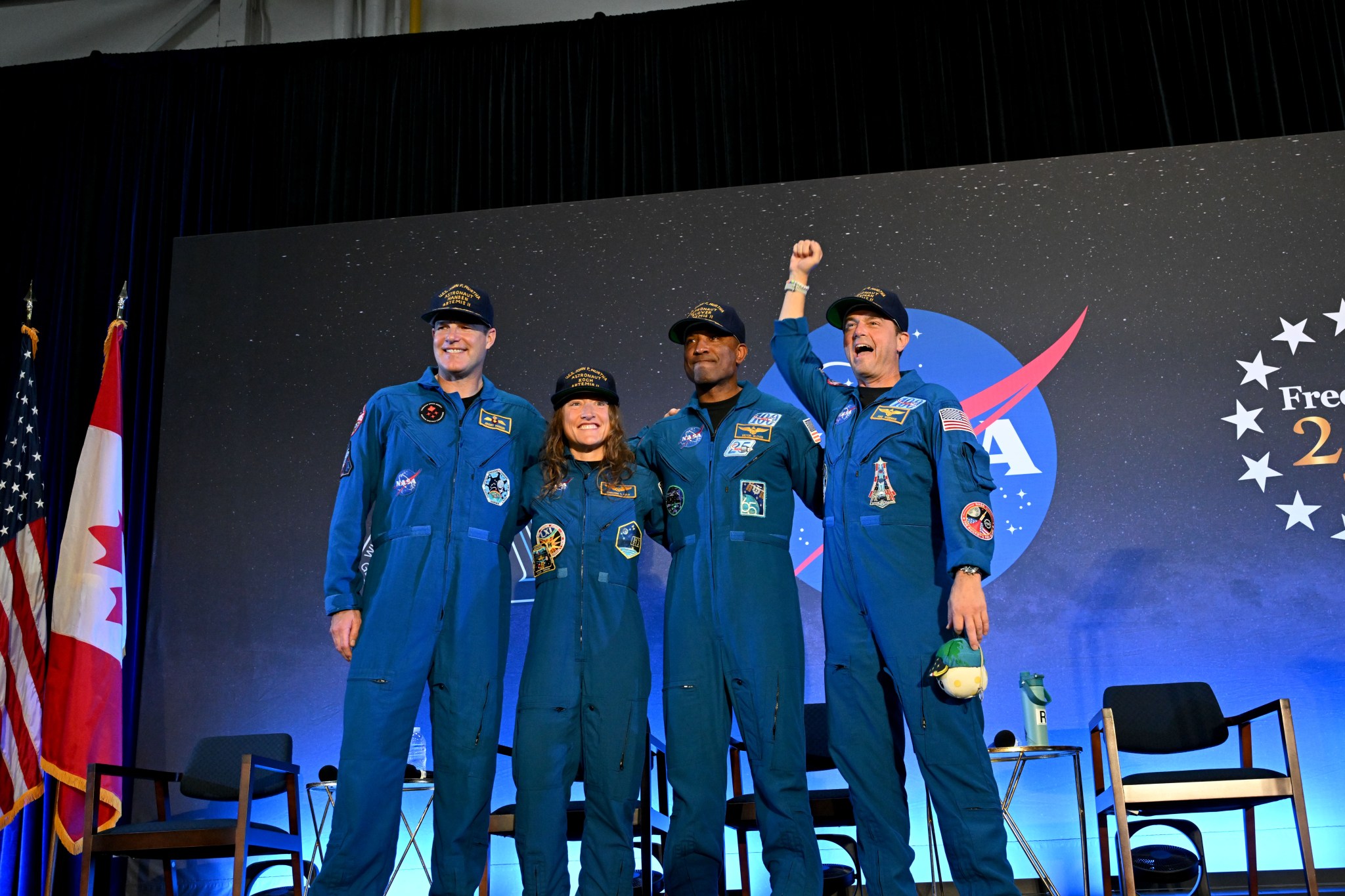
NASA/Helen Arase Vargas NASA’s Artemis II crew – NASA astronauts Reid Wiseman, Victor Glover, and Christina Koch, and CSA (Canadian Space Agency) astronaut Jeremy Hansen – smile at friends, family,
Landsat Navigation Landsat Home Missions Landsat Next Landsat 9 Landsat 8 Landsat 7 Landsat 6 Landsat 5 Landsat 4 Landsat 3 Landsat 2 Landsat 1 News Latest News People of

Earth Observatory Science Earth Observatory Contours of the James Bay… Earth Earth Observatory Image of the Day EO Explorer Topics All Topics Atmosphere Land Heat & Radiation Life on Earth
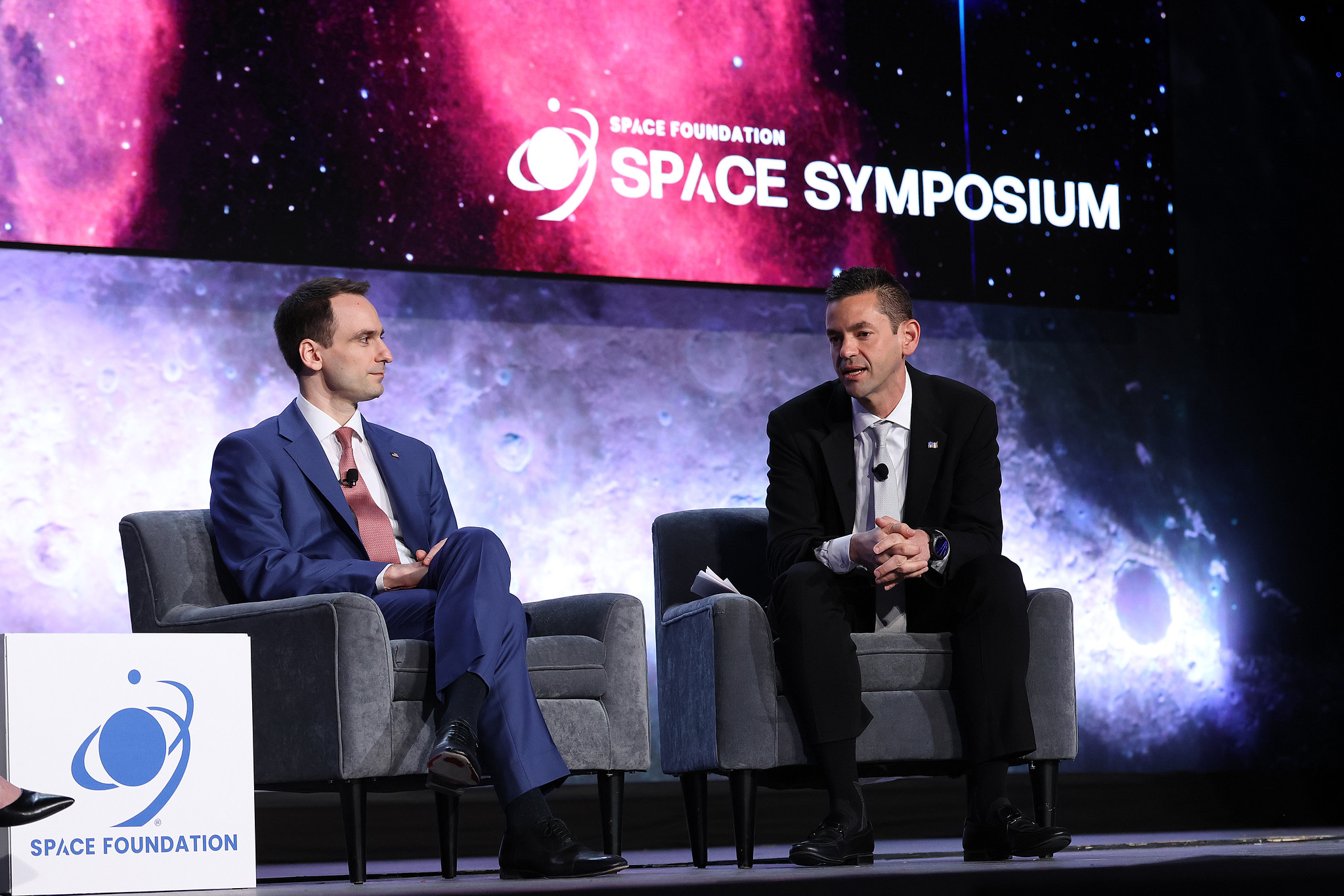
COLORADO SPRINGS — The White House released a policy April 14 directing NASA, the Pentagon and the Department of Energy to develop space nuclear power systems that could launch as
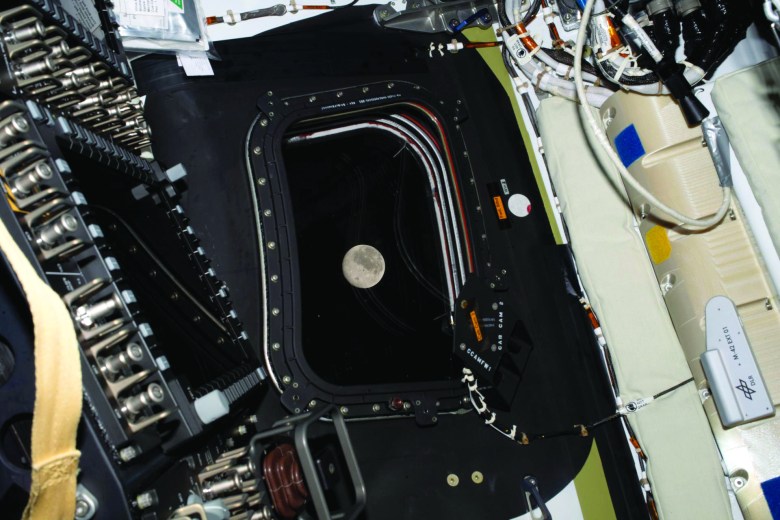
NASA’s Artemis 2 mission returned safely to Earth the evening of April 10, completing a critical early step in the agency’s effort to send astronauts back to the moon. The
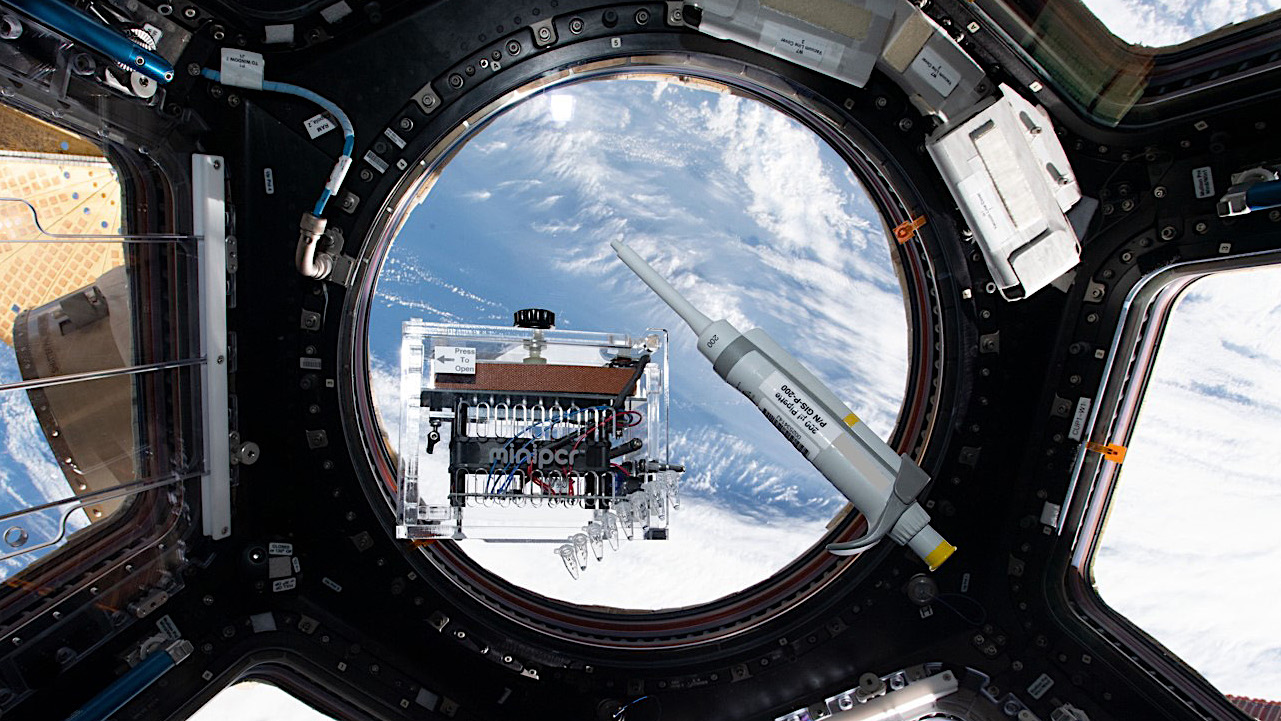
The abstract in PubMed or at the publisher’s site is linked when available and will open in a new window. Dixit AR, Khodadad CLM, Schuster JM, Spencer LE, Hummerick ME,


Advertisement
Popular Now
-
 01Two Black Holes Observed Circling Each Other for the First Time
 -
 02From Polymerization-Enabled Folding and Assembly to Chemical Evolution: Key Processes for Emergence of Functional Polymers in the Origin of Life
 -
 03Astronomy 101: From the Sun and Moon to Wormholes and Warp Drive, Key Theories, Discoveries, and Facts about the Universe (The Adams 101 Series)
 -
 04True Anomaly hires former York Space executive as chief operating officer
 -
 05Φsat-2 begins science phase for AI Earth images
 -
 06Hurricane forecasters are losing 3 key satellites ahead of peak storm season − a meteorologist explains why it matters
 -
 07Binary star systems are complex astronomical objects − a new AI approach could pin down their properties quickly
Scroll to Top