
Now Reading: Don’t miss the Lyrid meteor shower 2026 peak tonight! Viewing times, location and tips
-
01
Don’t miss the Lyrid meteor shower 2026 peak tonight! Viewing times, location and tips

Don’t miss the Lyrid meteor shower 2026 peak tonight! Viewing times, location and tips

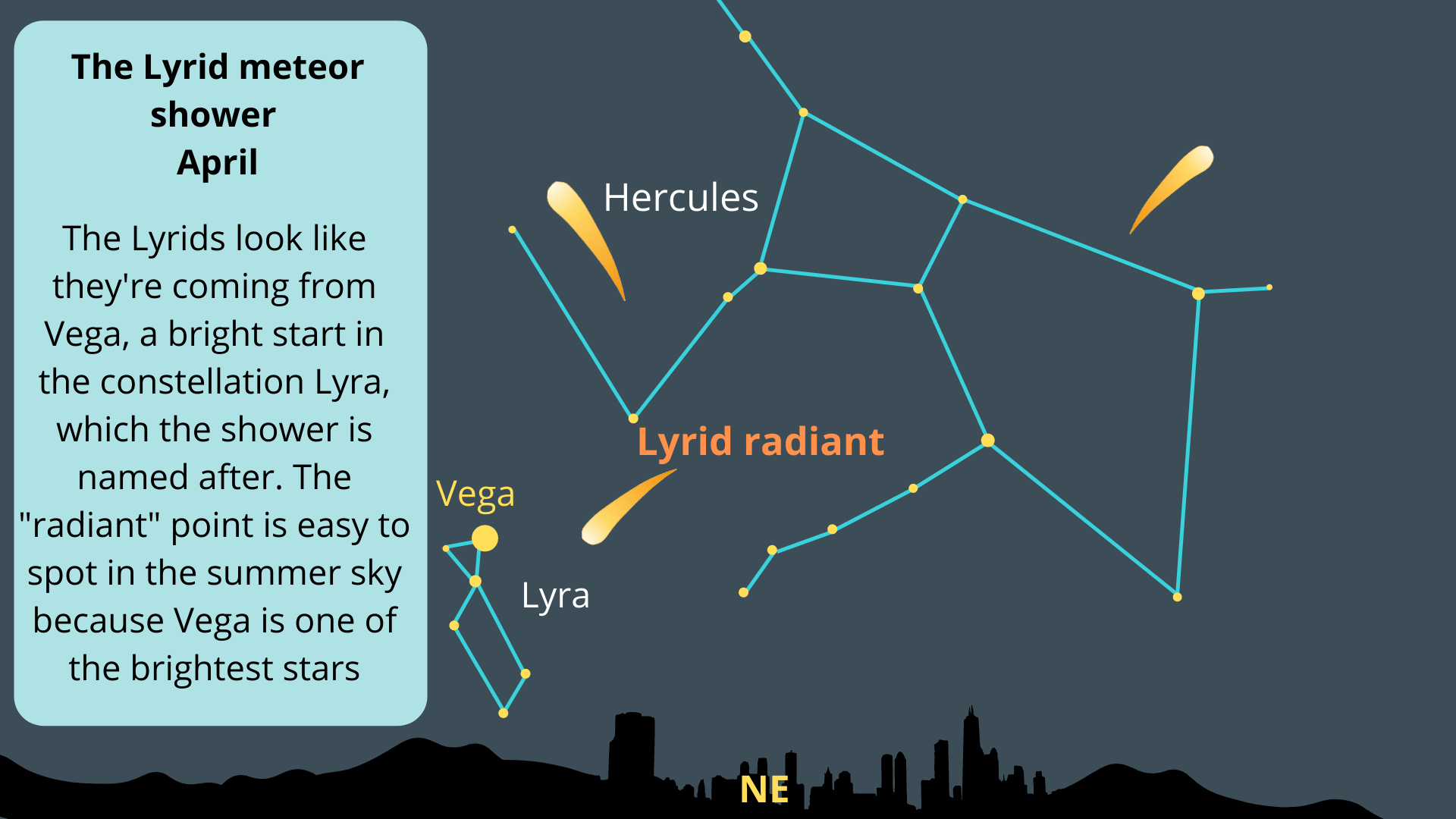
Heads up, skywatchers! Don’t miss the Lyrid meteor shower tonight, as activity peaks in the predawn hours of April 22.
Under ideal conditions, it’s possible to see up to 20 meteors per hour during the peak, with the chance to witness dramatically bright flashes known as fireballs.
Where to look
Lyrids can appear anywhere in the sky, but they trace back to an origin point known as a radiant in the constellation Lyra, near the bright star Vega.
Lyra rises in the northeast and climbs higher as the night goes on, making the early morning hours the best time to watch. For the most impressive streaks, look slightly away from the radiant — this is where meteors appear longer and more dramatic,
And if you can’t get outside, you can still enjoy the show via live night sky streams from around the world.
When to look
The best time to look for Lyrids is in the early morning hours of April 22, just before dawn. By this time, Lyra is high in the sky and the moon has already set, reducing light interference.
What are they?
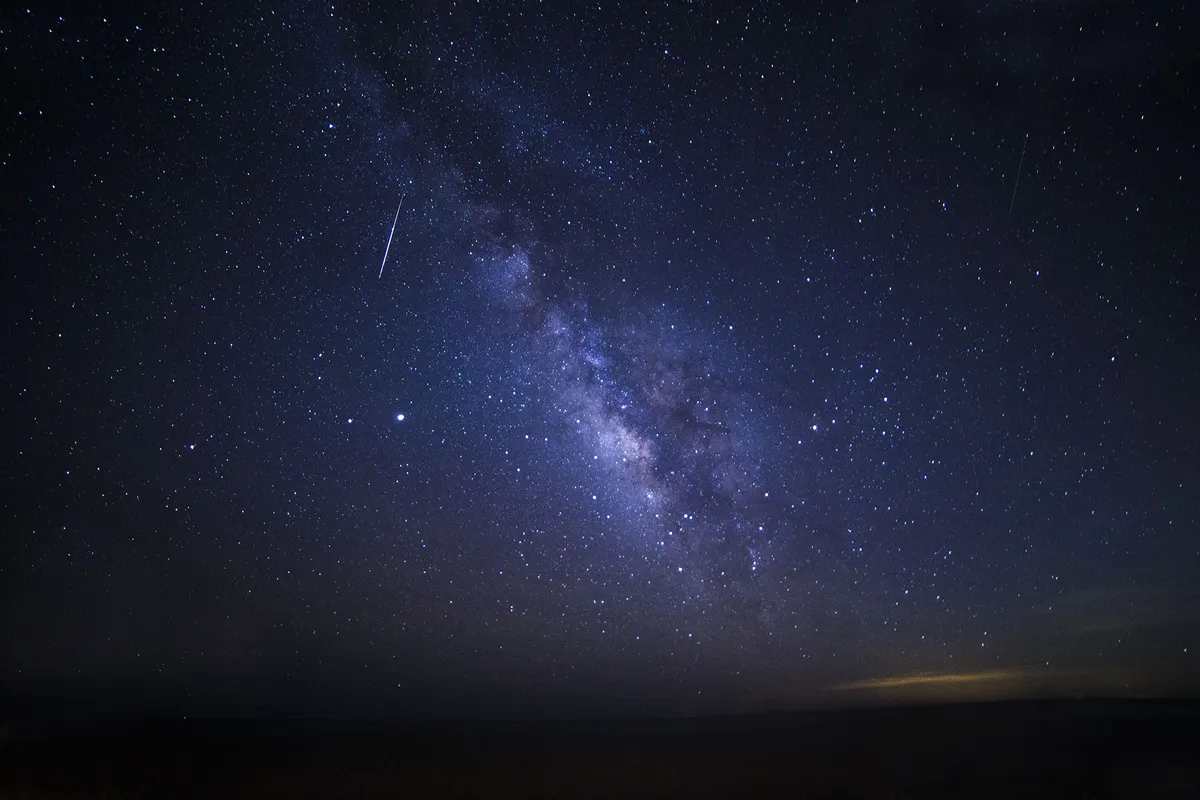
When you see a Lyrid meteor, you’re watching a tiny piece of Comet Thatcher burning up in Earth’s atmosphere.
Comet Thatcher is a long-period comet that last made its closest approach to Earth in 1861. Each year, our planet plows through the debris it left behind, producing the Lyrid meteor shower.
Viewing tips

- Head to a dark location away from city lights if possible
- Once there, allow your eyes at least 20-30 minutes to adjust to the darkness and avoid looking at your phone during this time (easier said than done!) as doing so will reset your night vision
- Wrap up warm as you could be outside for a long time. Meteors can come in bursts, so give yourself at least an hour to enjoy the show.
If you’re hoping to capture the Lyrid meteor shower on camera, our guide on how to photograph meteor showers can help. We’ve also rounded up the best cameras for astrophotography if you’re thinking of upgrading your kit for the next big sky show.
Editor’s note: If you capture a photo of the Lyrid meteor shower and would like to share it with Space.com’s readers, send your photo(s), comments, and your name and location to spacephotos@space.com.










Related Posts
Stay Informed With the Latest & Most Important News
Previous Post
Next Post



Advertisement
-
 01Two Black Holes Observed Circling Each Other for the First Time
 -
 02From Polymerization-Enabled Folding and Assembly to Chemical Evolution: Key Processes for Emergence of Functional Polymers in the Origin of Life
 -
 03Astronomy 101: From the Sun and Moon to Wormholes and Warp Drive, Key Theories, Discoveries, and Facts about the Universe (The Adams 101 Series)
 -
 04True Anomaly hires former York Space executive as chief operating officer
 -
 05Φsat-2 begins science phase for AI Earth images
 -
 06Hurricane forecasters are losing 3 key satellites ahead of peak storm season − a meteorologist explains why it matters
 -
 07Binary star systems are complex astronomical objects − a new AI approach could pin down their properties quickly