
Now Reading: From Early Earth to Enceladus – Mineral Electrochemistry Could Drive Organic Synthesis
-
01
From Early Earth to Enceladus – Mineral Electrochemistry Could Drive Organic Synthesis

From Early Earth to Enceladus – Mineral Electrochemistry Could Drive Organic Synthesis

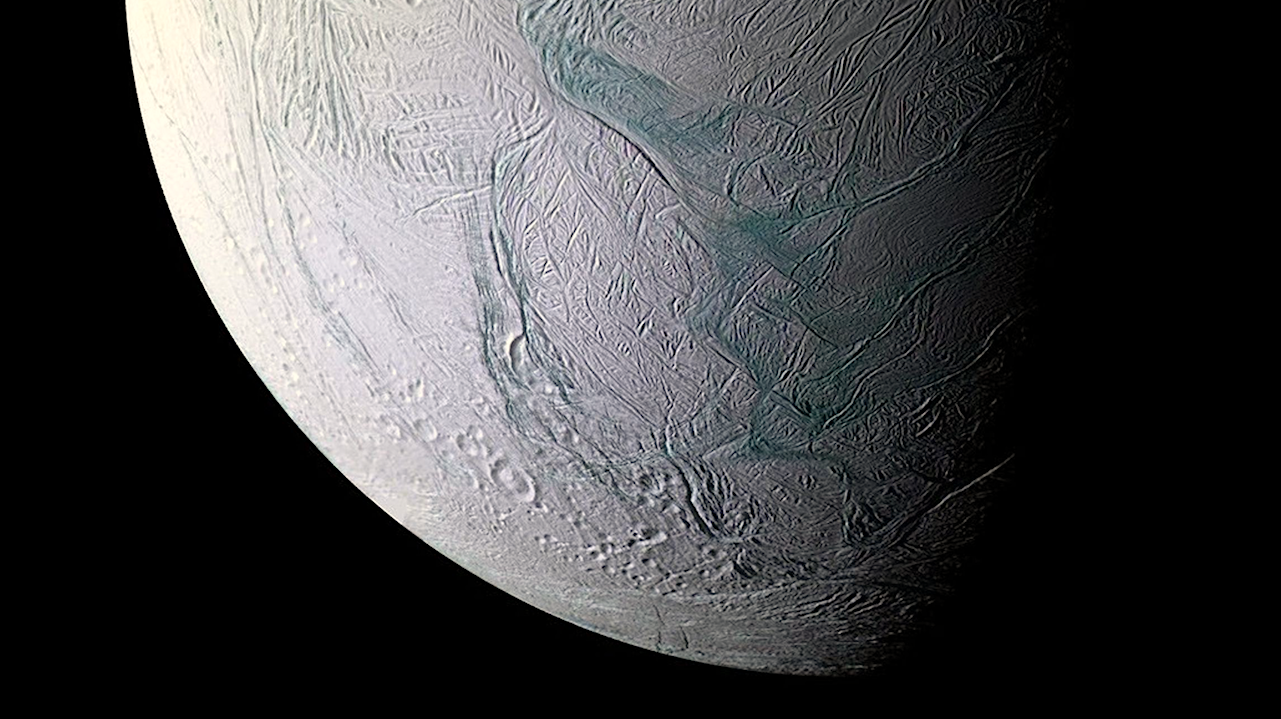
Enceladus — NASA
At some point in Earth’s history, chemistry transitioned from abiotic organic synthesis—the building of more complicated organic molecules from smaller ones by nonbiological means—to biochemistry.
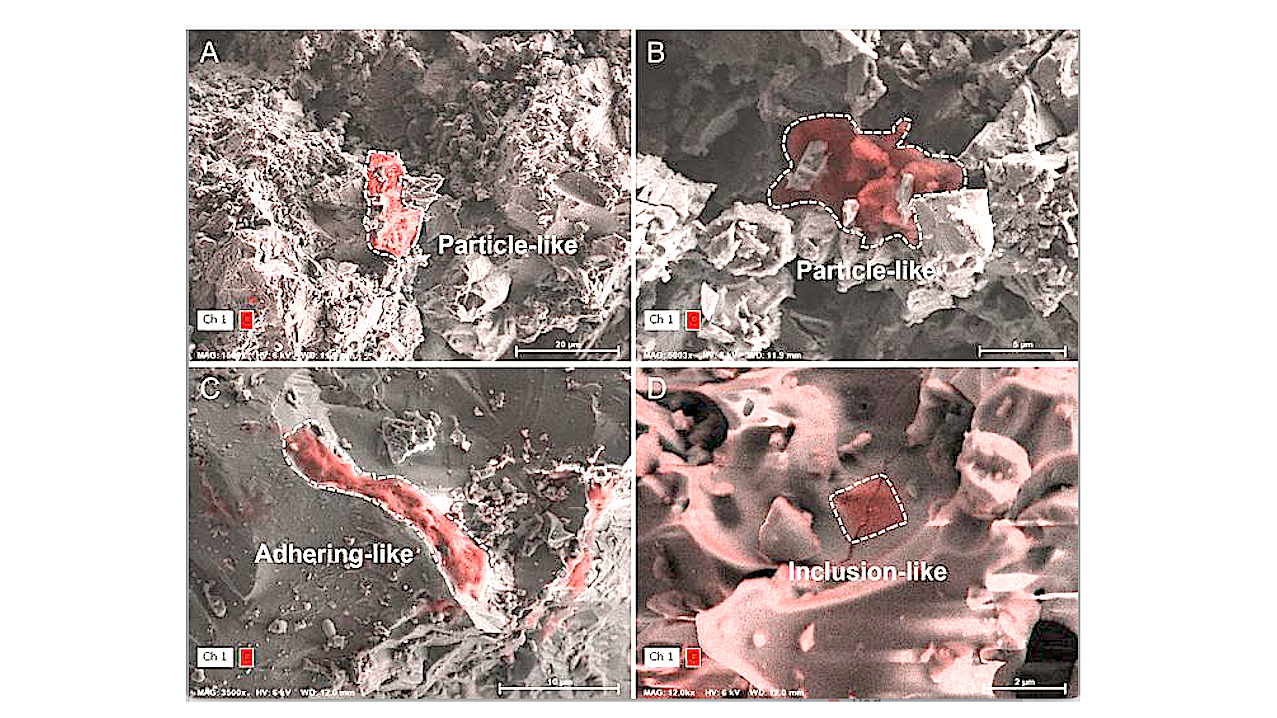
Hydrothermal settings are compelling sites for the origins of this transition because they are natural chemical reactors. In this non-equilibrium setting; hot, reduced fluids continuously mix with cold, oxidized seawater to precipitate minerals on whose surfaces organic molecules react.
We typically frame these surface reactions as affected by temperature, pH, and mineral catalysis, but many laboratory analog vent environments also sustain measurable electrical potentials, with the minerals forming these vents offering a conductive pathway for electrons to flow.
This matters because electrochemical boundary conditions can influence not just how fast reactions proceed, but which products form. That knowledge is essential for creating lab analogues of early Earth and interpreting data from ocean worlds in our solar system.
Astrobiology, astrogeology, astrochemistry,











Related Posts

Stay Informed With the Latest & Most Important News
Previous Post
Next Post



Advertisement
-
 01Two Black Holes Observed Circling Each Other for the First Time
 -
 02From Polymerization-Enabled Folding and Assembly to Chemical Evolution: Key Processes for Emergence of Functional Polymers in the Origin of Life
 -
 03Astronomy 101: From the Sun and Moon to Wormholes and Warp Drive, Key Theories, Discoveries, and Facts about the Universe (The Adams 101 Series)
 -
 04True Anomaly hires former York Space executive as chief operating officer
 -
 05Φsat-2 begins science phase for AI Earth images
 -
 06Hurricane forecasters are losing 3 key satellites ahead of peak storm season − a meteorologist explains why it matters
 -
 07Binary star systems are complex astronomical objects − a new AI approach could pin down their properties quickly