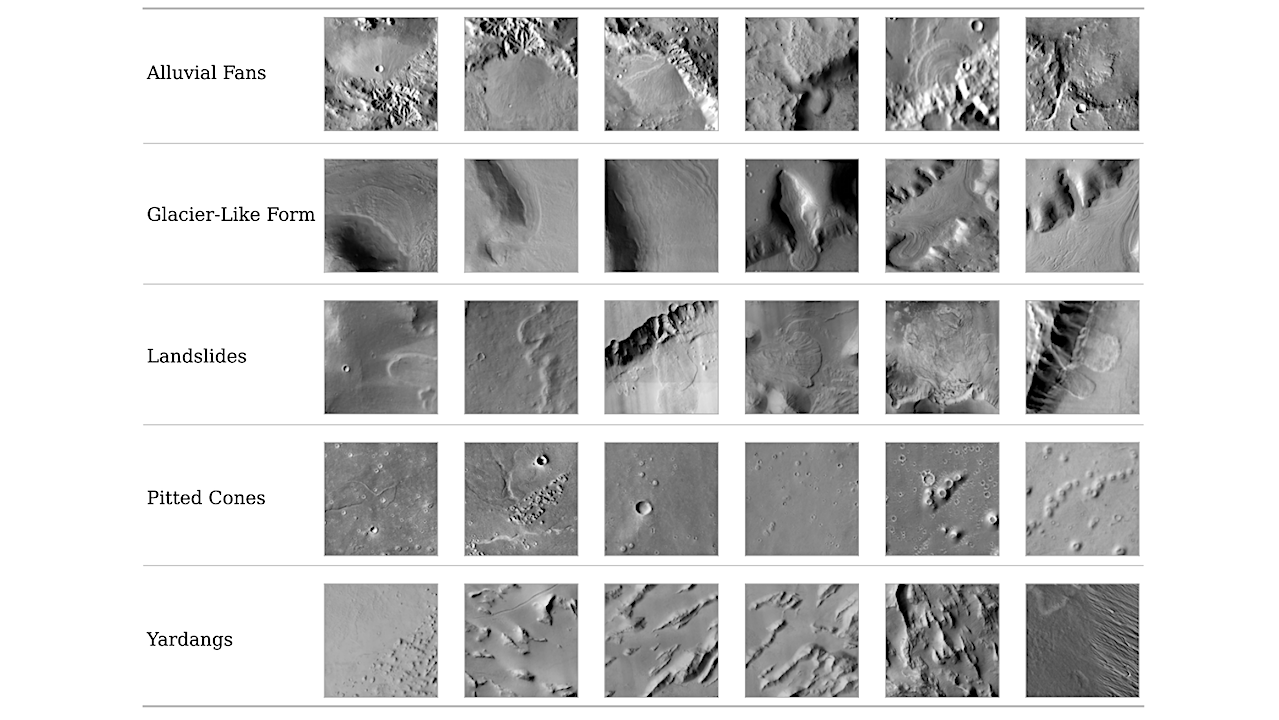
Image-based query examples for Task 3 (Global Geo-Localization) — cs.CV Data-driven approaches like deep learning are rapidly advancing planetary science, particularly in Mars exploration. Despite recent progress, most existing benchmarks

Image-based query examples for Task 3 (Global Geo-Localization) — cs.CV Data-driven approaches like deep learning are rapidly advancing planetary science, particularly in Mars exploration. Despite recent progress, most existing benchmarks
We have known for several decades that the universe is expanding. Scientists use multiple techniques to measure the present-day expansion rate of the universe, known as the Hubble constant. These

Stargazers rejoice! Dec. 4 marks the start of the annual Geminid meteor shower, as Earth passes through the trail of debris shed by the strange blue asteroid 3200 Phaethon, triggering
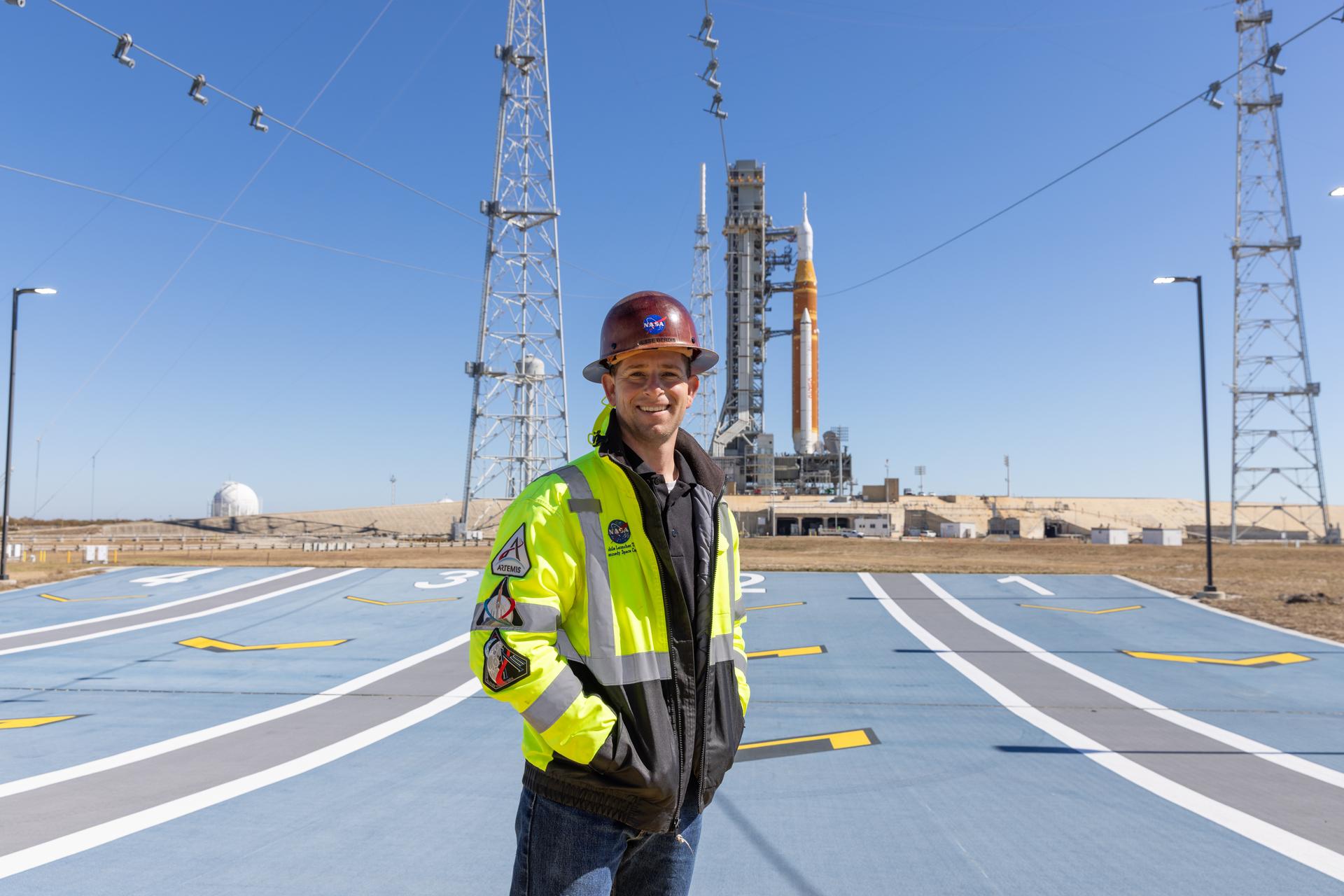
3 Min Read I Am Artemis: Jesse Berdis Listen to this audio excerpt from Jesse Berdis, Artemis II mobile launcher 1 deputy project manager: 0:00 / 0:00 Your browser does
TAMPA, Fla. — Open Cosmos shed more light on its proposed sovereign broadband constellation for Europe March 2, branding the Ka-band network ConnectedCosmos while leaving how it will meet mid-2026
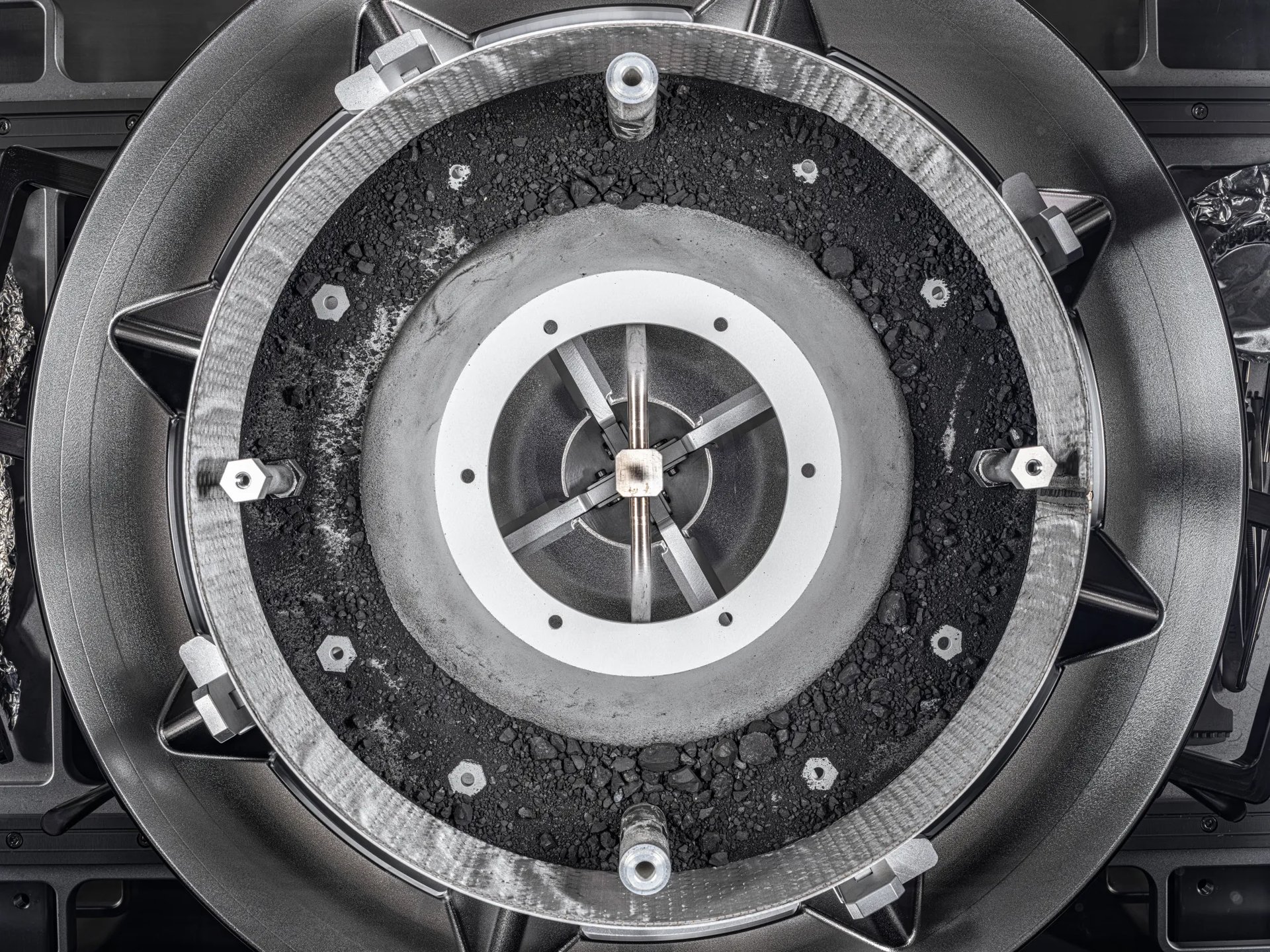
It’s been over two years since the samples from Bennu gathered by OSIRIS-REx were returned to Earth. But there’s still plenty of novel science coming out of that 121.6 g
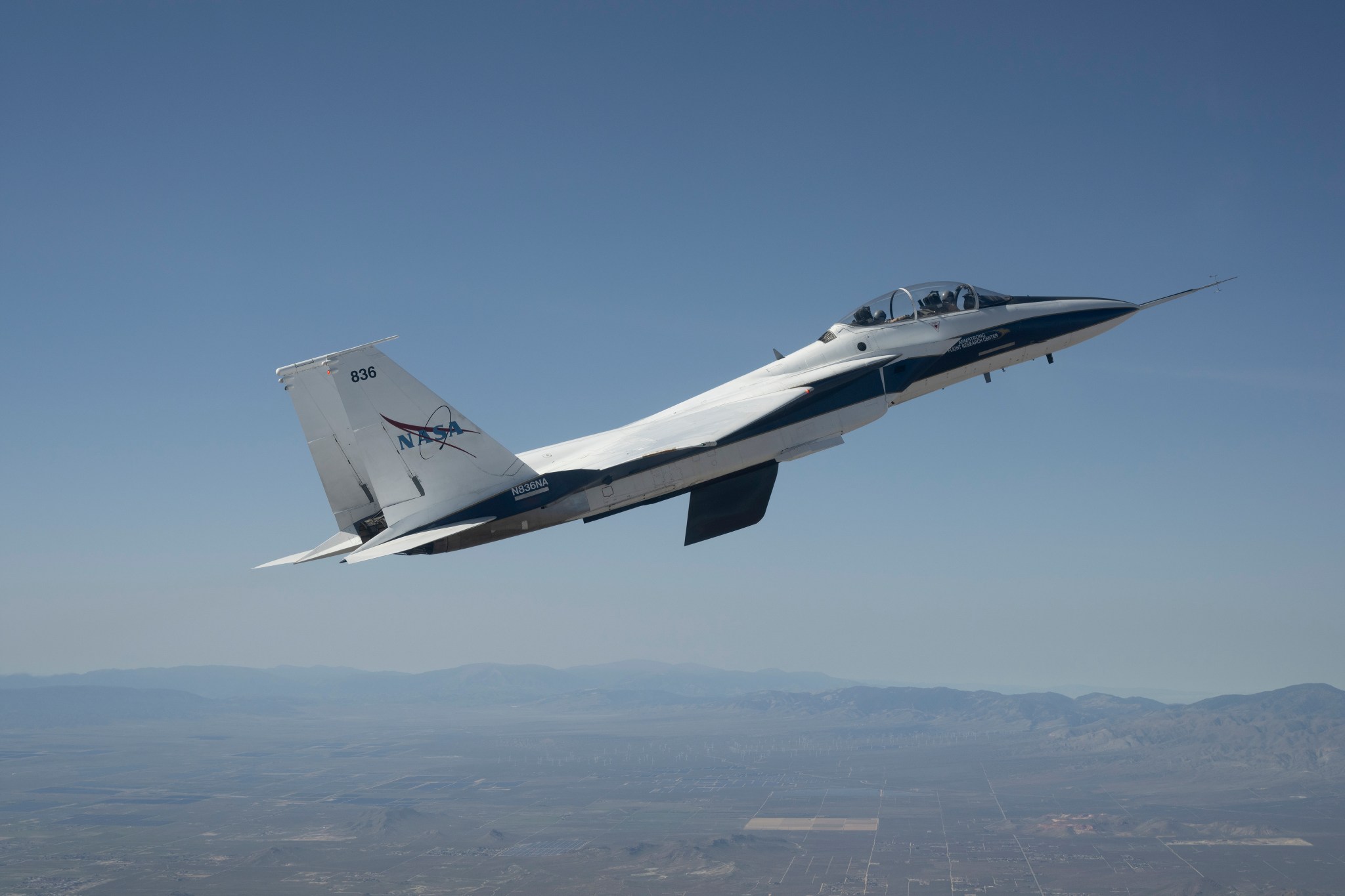
3 min read Preparations for Next Moonwalk Simulations Underway (and Underwater) NASA’s Crossflow Attenuated Natural Laminar Flow (CATNLF) scale-model wing flies for the first time on a NASA F-15 research
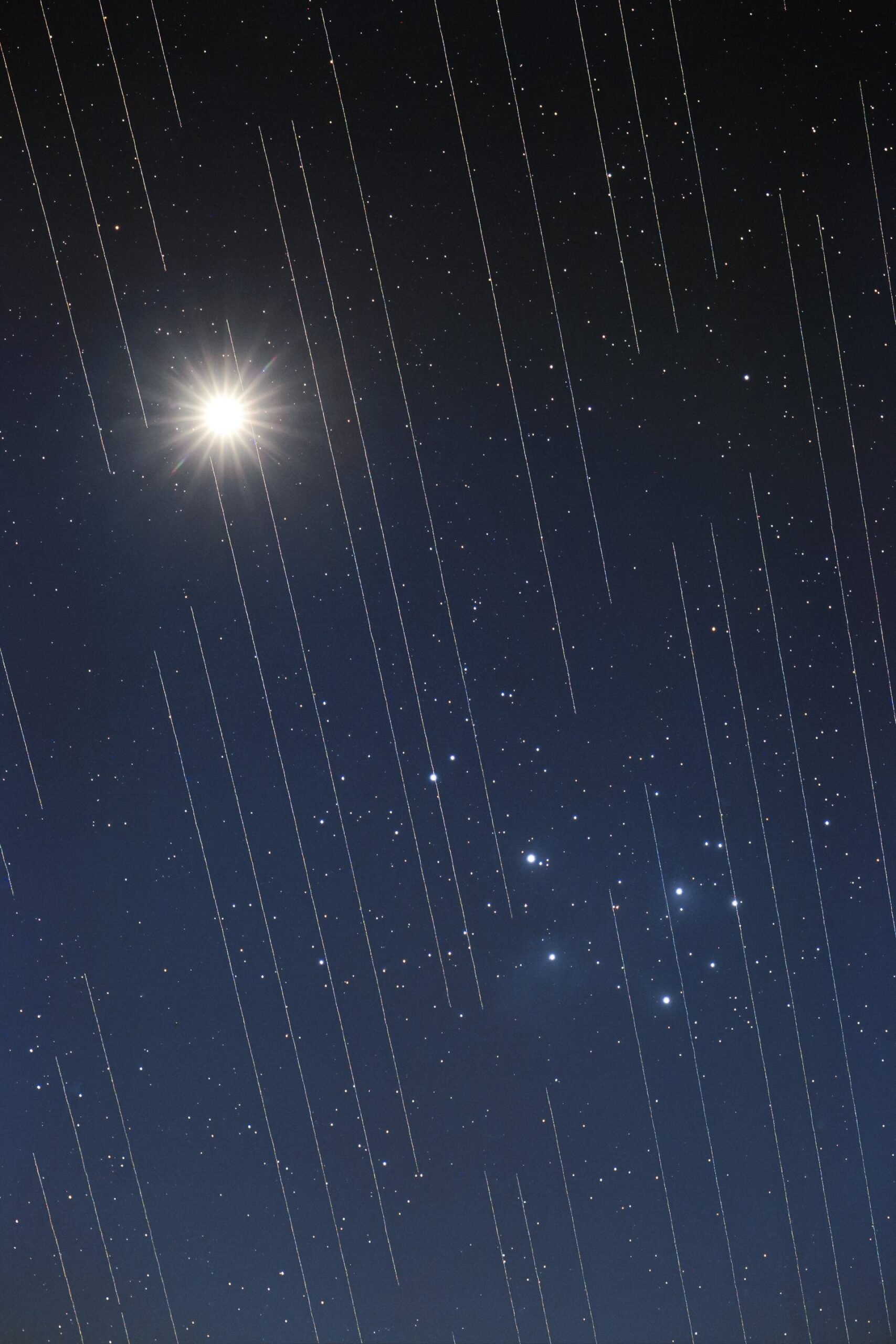
Satellite megaconstellations are quickly becoming the backbone of a number of industries. Cellular communication, GPS, weather monitoring and more are now, at least in part, reliant on the networks of
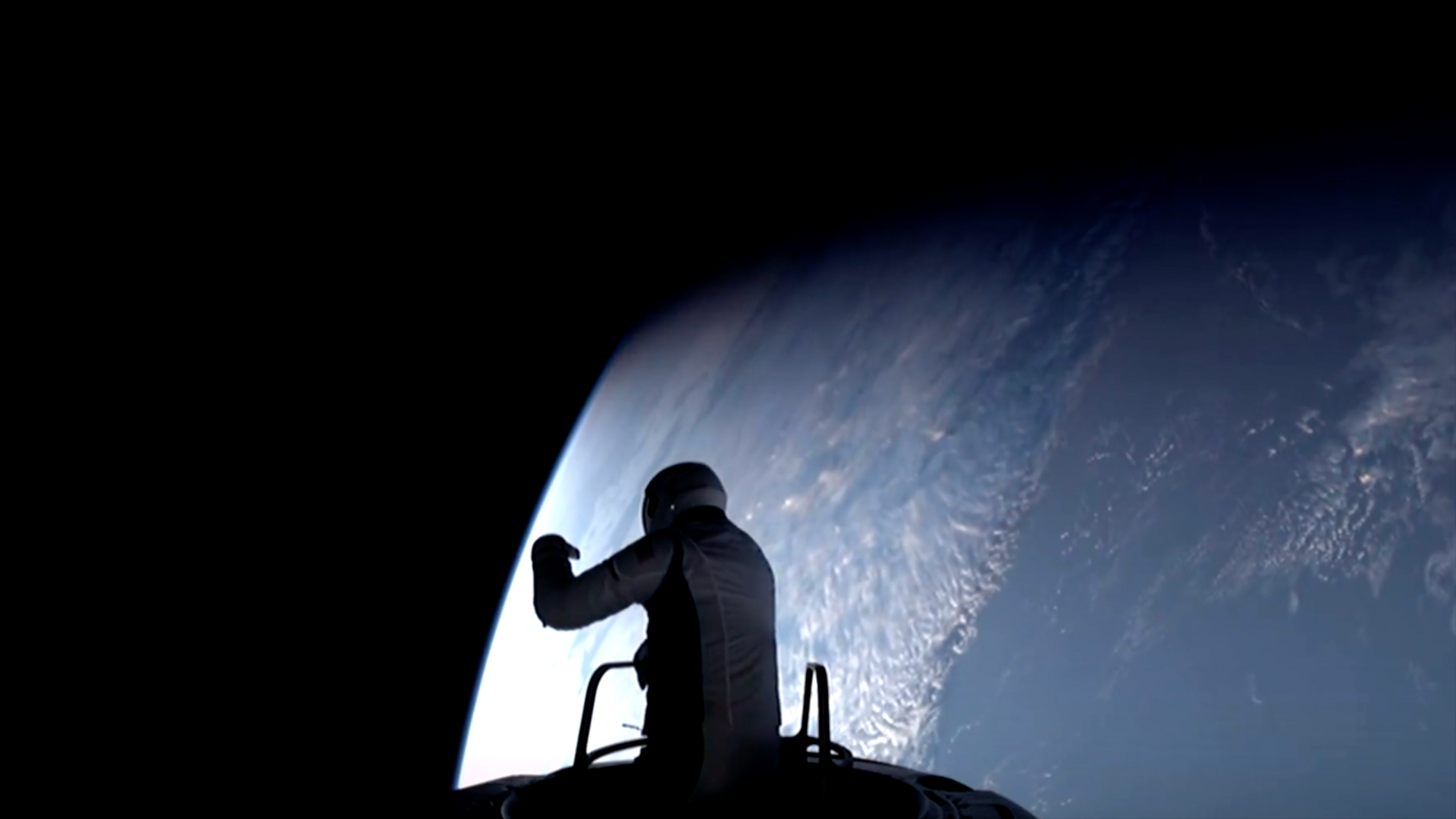
Jared Isaacman is in line to be NASA chief — again. President Donald Trump just tapped the billionaire tech entrepreneur to lead the U.S. space agency, five months after pulling
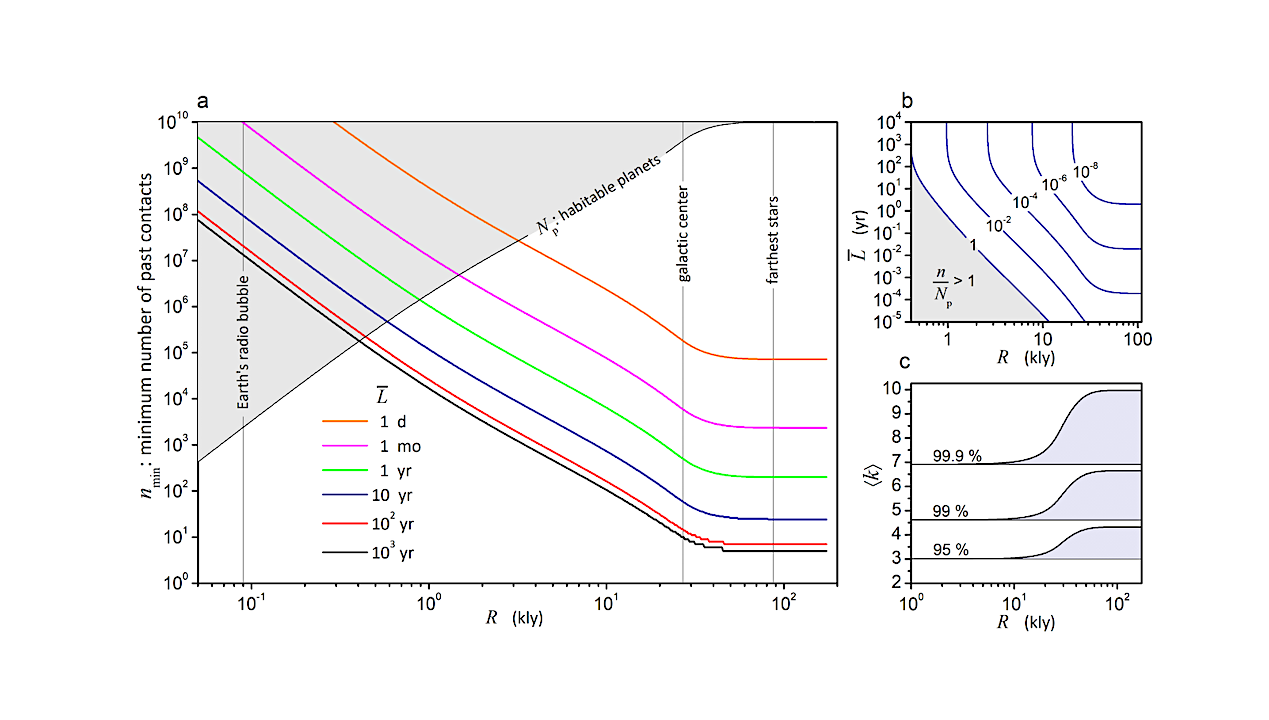
Results assuming undetected contacts with technoemissions over the past 65 years. a: Number n of undetected past contacts required to achieve a present-day detectability of at least 95 %, as