“Given the sheer mass of the structure, and the slow manner with which things change here, this inukshuk may well be standing 500 years from now. That should be long

“Given the sheer mass of the structure, and the slow manner with which things change here, this inukshuk may well be standing 500 years from now. That should be long
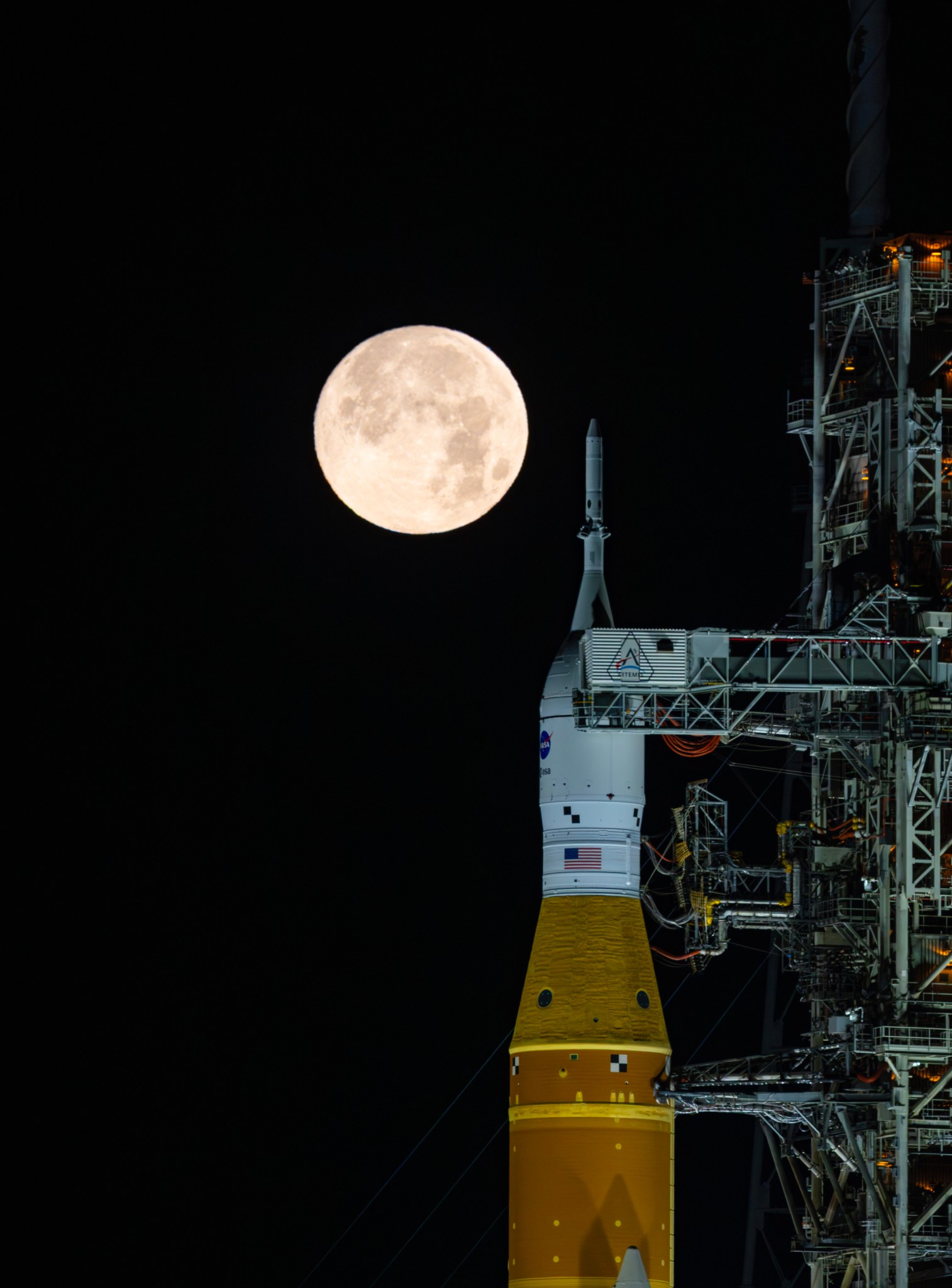
NASA/Sam Lott A full moon is seen shining over NASA’s SLS (Space Launch System) and Orion spacecraft, atop the mobile launcher at Launch Pad 39B at NASA’s Kennedy Space Center
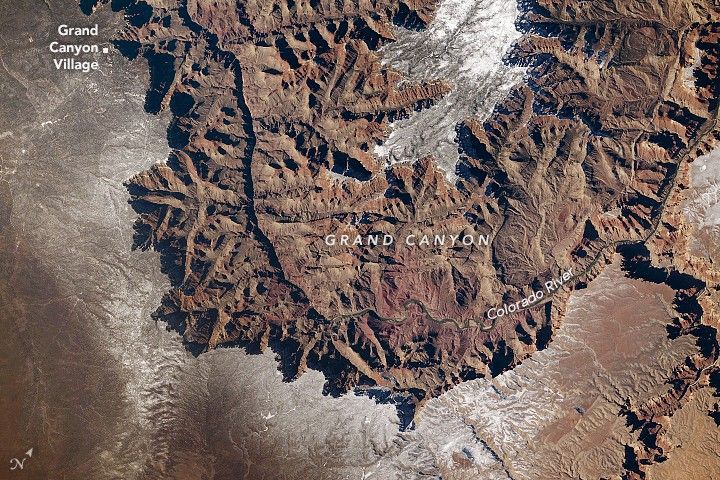
Earth Observatory Science Earth Observatory A Grand, Snow-Rimmed Canyon Earth Earth Observatory Image of the Day EO Explorer Topics All Topics Atmosphere Land Heat & Radiation Life on Earth Human
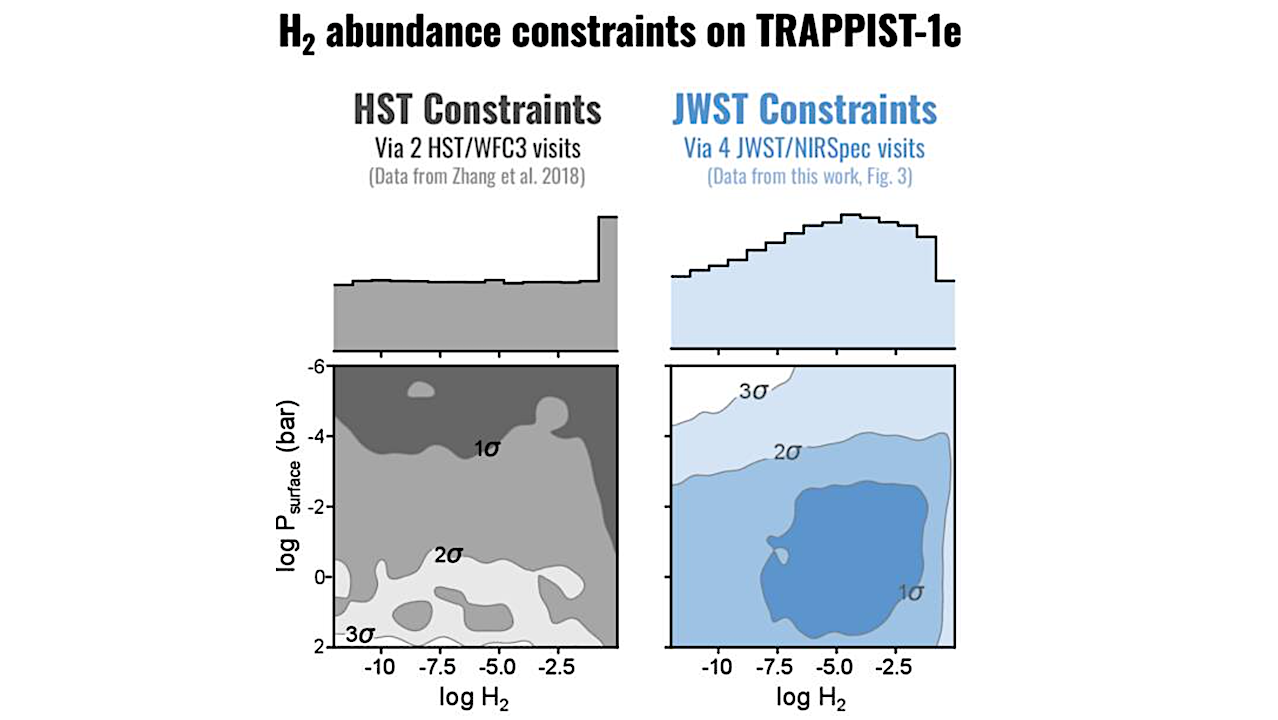
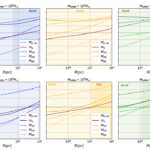
H2 abundance constraints for TRAPPIST-1 e from HST and JWST as a function of surface pressure. Posterior distribution showcasing the improvement on constraints on possible H2-dominated atmospheres on TRAPPIST-1 e
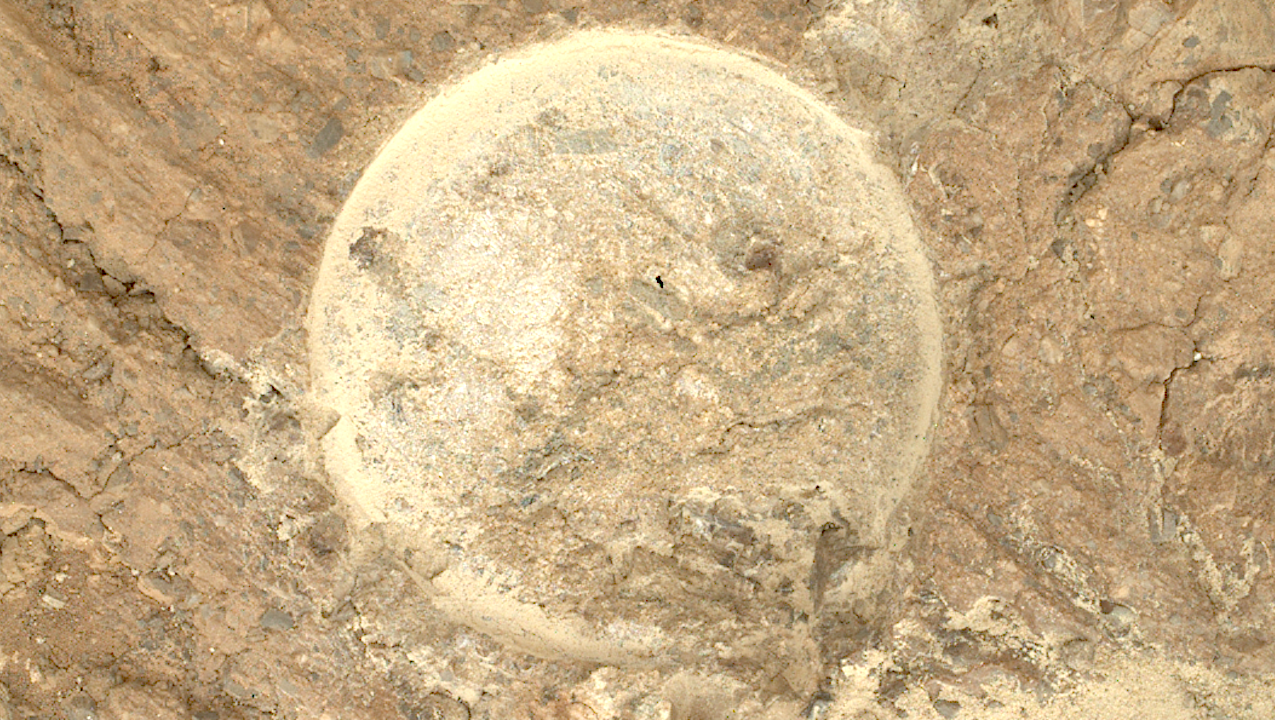
Image of the “Peachflya” abrasion spot, from Perseverance’s WATSON Camera on sol 1620. NASA/JPL-Caltech larger image Perseverance accomplished something unusual this week: abrading two dramatically different rocks within the span
Although Mercury was geologically active in its early days, today its surface appears almost completely static. This is why it is often perceived as a dead and dry planet. A
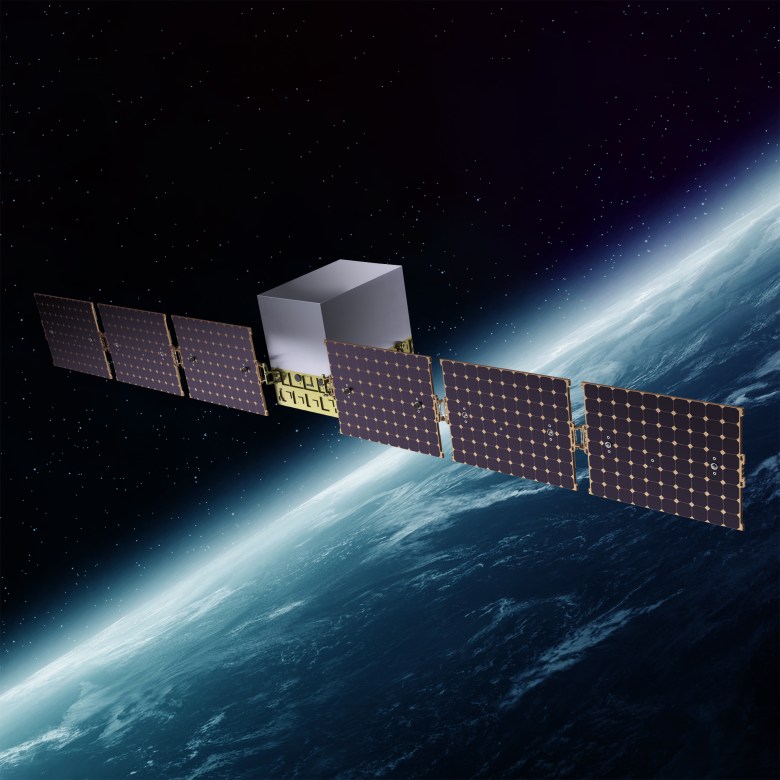
IRVINE, CA – January 28, 2026 – Terran Orbital proudly announces the Mitsubishi Electric LEO Demo Mission, a state-of-the-art project in collaboration with Mitsubishi Electric Corporation and Mitsubishi Electric US.
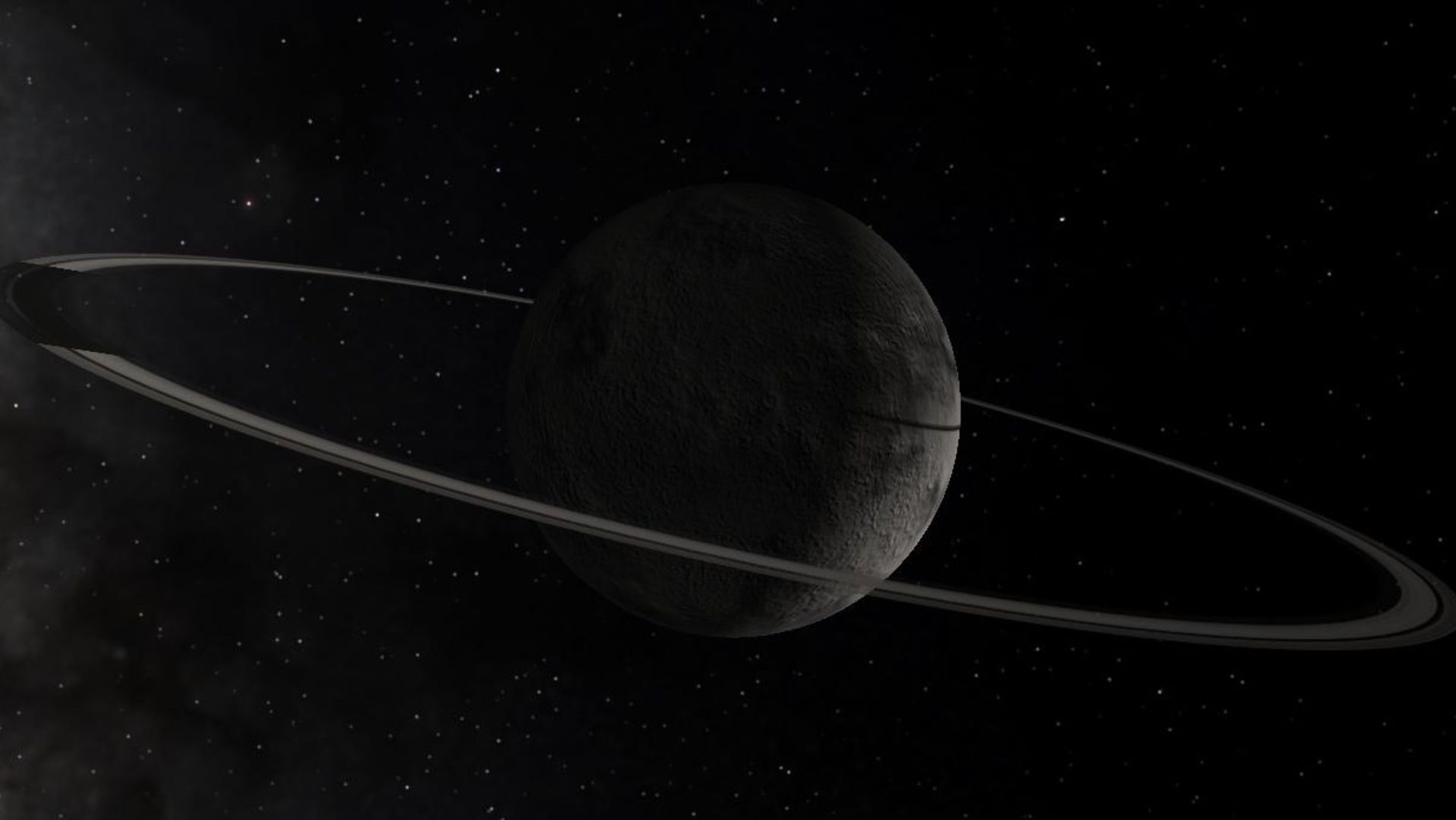
Saturn isn’t the only planet in our solar system with a ring system. While Saturn’s rings are the most dramatic, the three other gas giants — Jupiter, Neptune, and Uranus
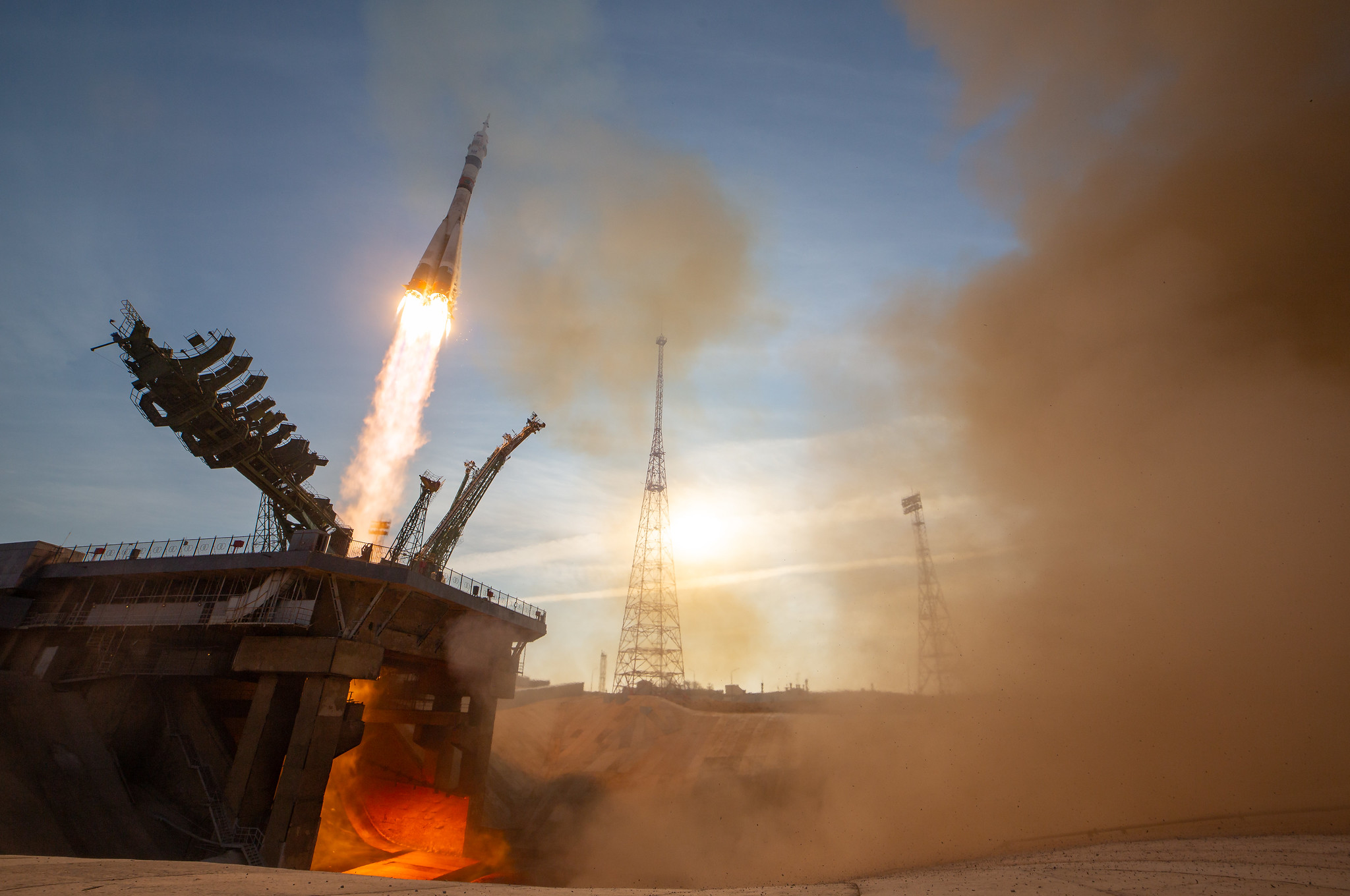
BERLIN — The Baiknour pad used for the launch of the latest crew to the International Space Station has sustained damage, raising questions about its ability to support upcoming missions
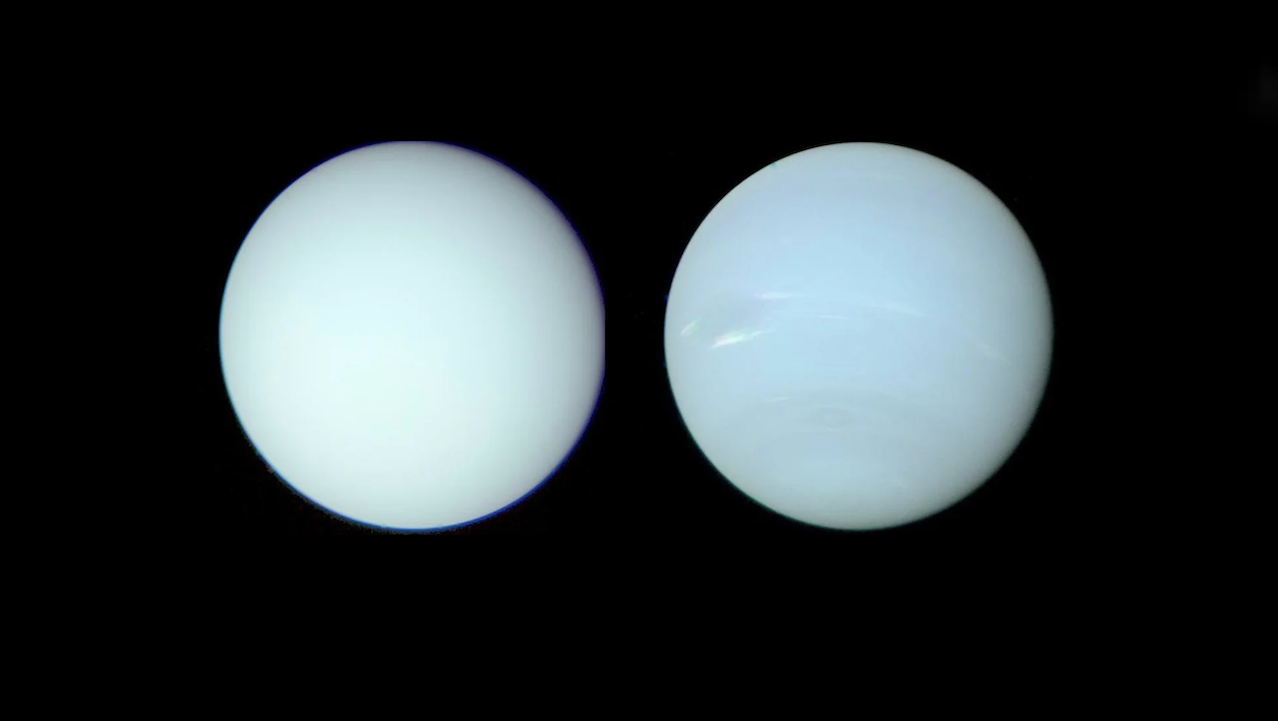
Reprocessed images of Uranus ] and Neptune NASA/JPL-Caltech (Uranus and Neptune); “Modelling the Seasonal Cycle of Uranus’s Colour and Magnitude, and Comparison with Neptune,” by Patrick G. J. Irwin