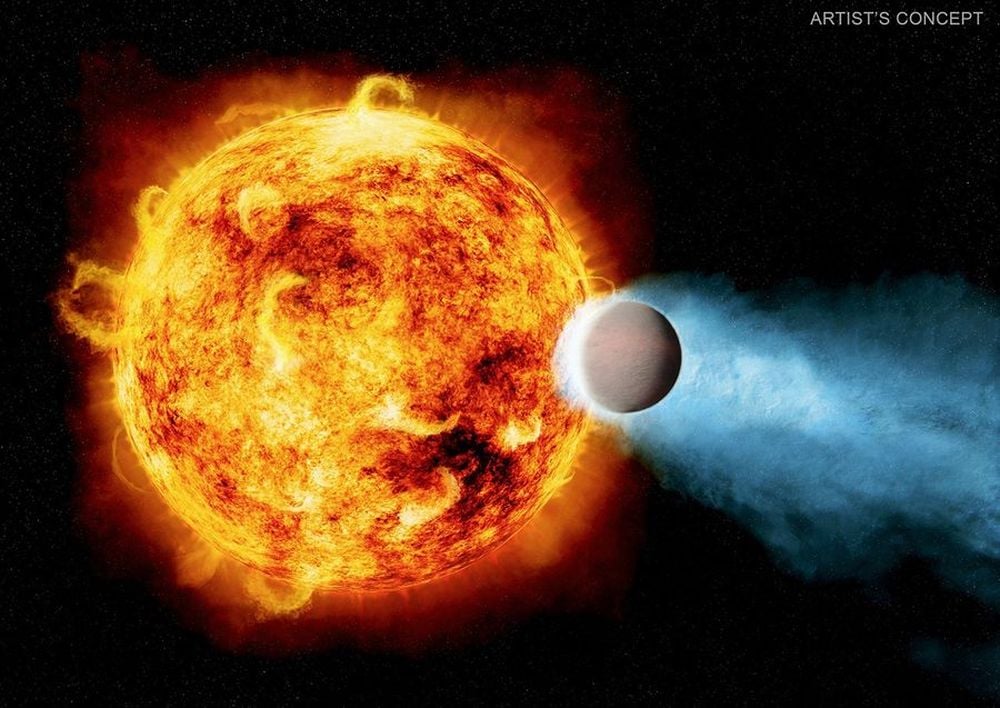
WASHINGTON — Overview Energy, a startup developing space-based solar power systems, announced an agreement to provide energy for data centers operated by Meta. The companies announced April 27 an agreement

WASHINGTON — Overview Energy, a startup developing space-based solar power systems, announced an agreement to provide energy for data centers operated by Meta. The companies announced April 27 an agreement
These images, released on April 14, 2026, show two open star clusters, Trumpler 3 (left) and NGC 2353 (right). They represent a recent study from NASA’s Chandra X-ray Observatory that
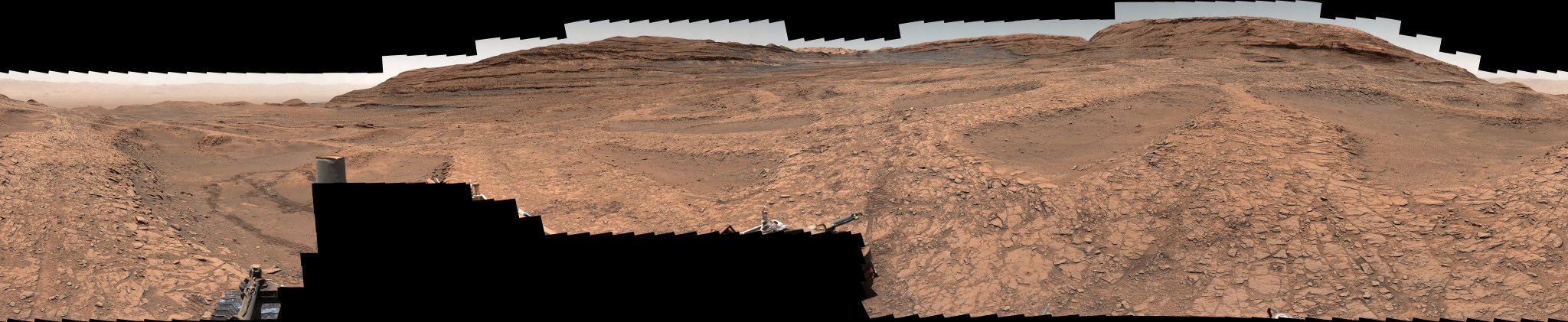
Learn how NASA’s Curiosity and Perseverance Mars rovers are exploring different chapters of the Red Planet’s ancient history. Credit: NASA/JPL-Caltech/ASU/MSSS/ESA/University of Arizona/JHUAPL/USGS Astrogeology Science Center NASA’s Curiosity and Perseverance rovers

Serious stargazing requires planning, right? A dark-sky site, a heavy telescope, a warm jacket. A long drive home. It really doesn’t have to be this way. Sure, light pollution maps,

The second Artemis mission took four astronauts around the moon and back – the first crewed deep-space flight since 1972. Not everyone gets a chance to put on a space

DIYNAFLUOR Editor’s note: with recent speculation about the potential habitability of other worlds and understanding the processes whereby other biospheres arise and evolve, thought needs to be given to developing
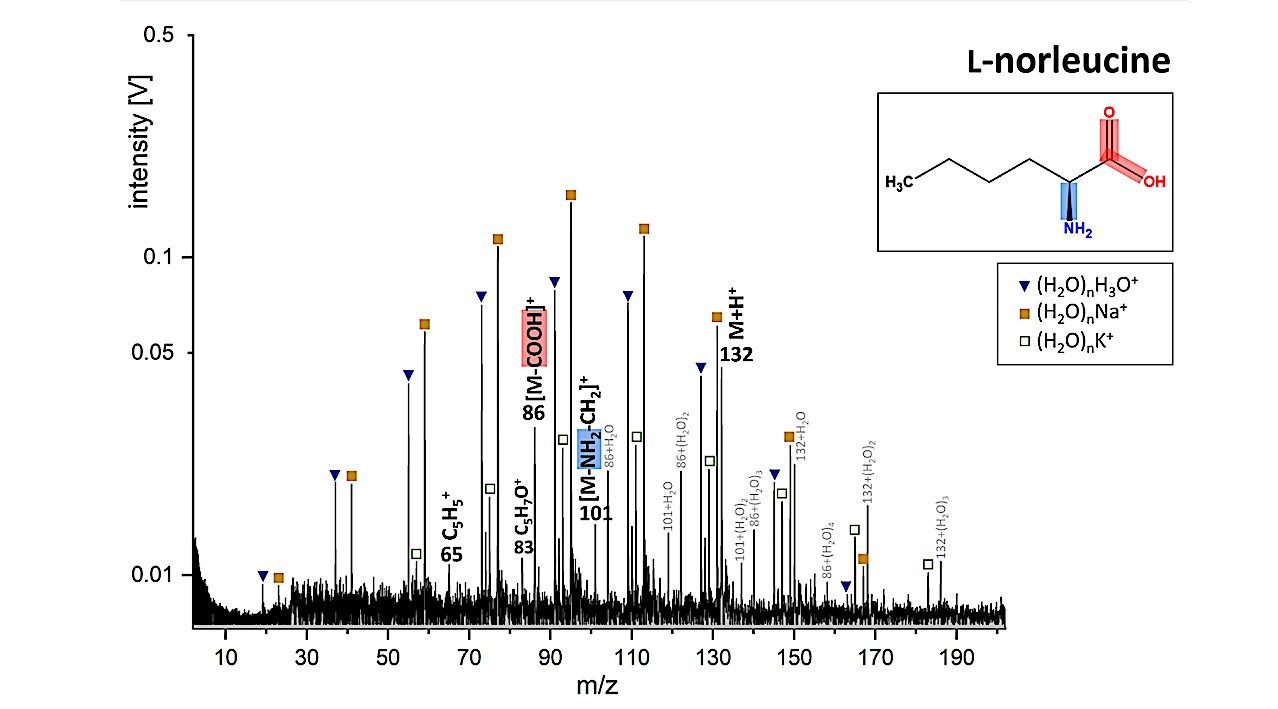
Tricorders & Sensors Status Report Astrobiology via x-mol.net April 27, 2026 Filed under amino acid, Astrobiology via x-mol.net, biochemistry, Biosignatures, Enceladus, Europa, Europa Clipper, habitablility, organic chemistry, SUrface Dust Analyzer
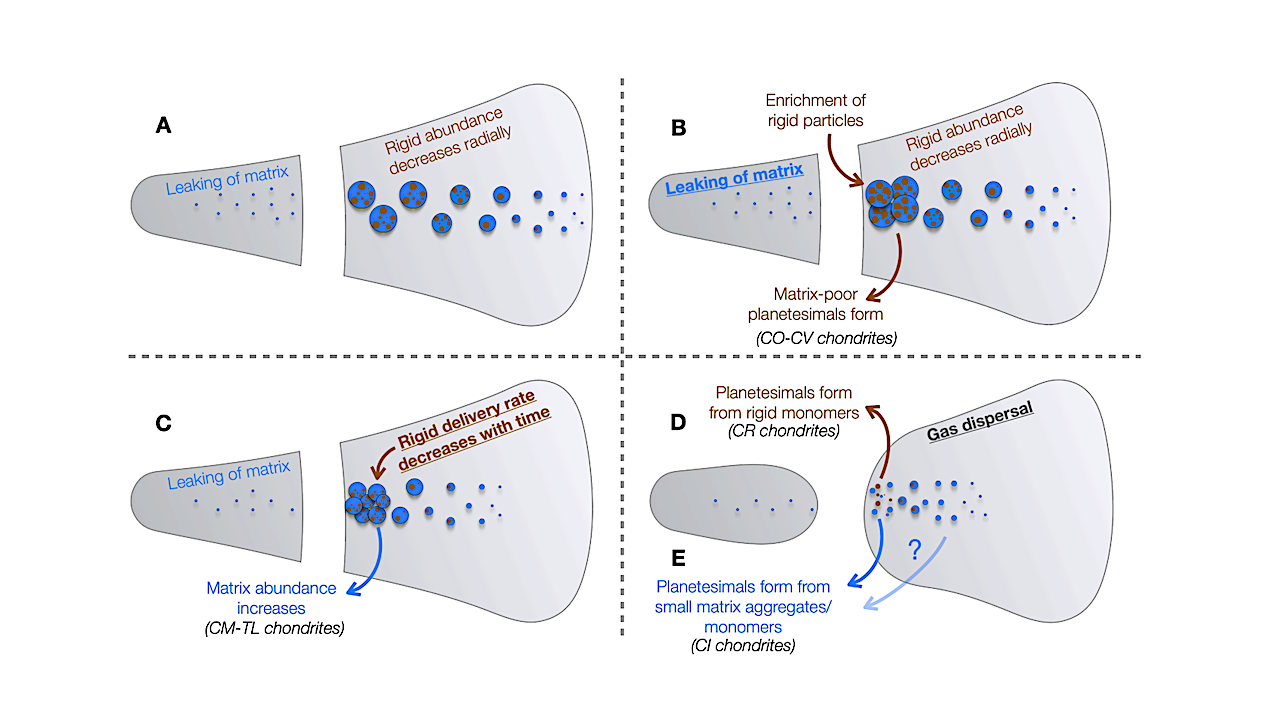
Schematic of the model for carbonaceous chondrite formation. We assume that chondrules and refractory inclusions are rigid particles, and that the matrix is fragile. Rigid and fragile materials can stick
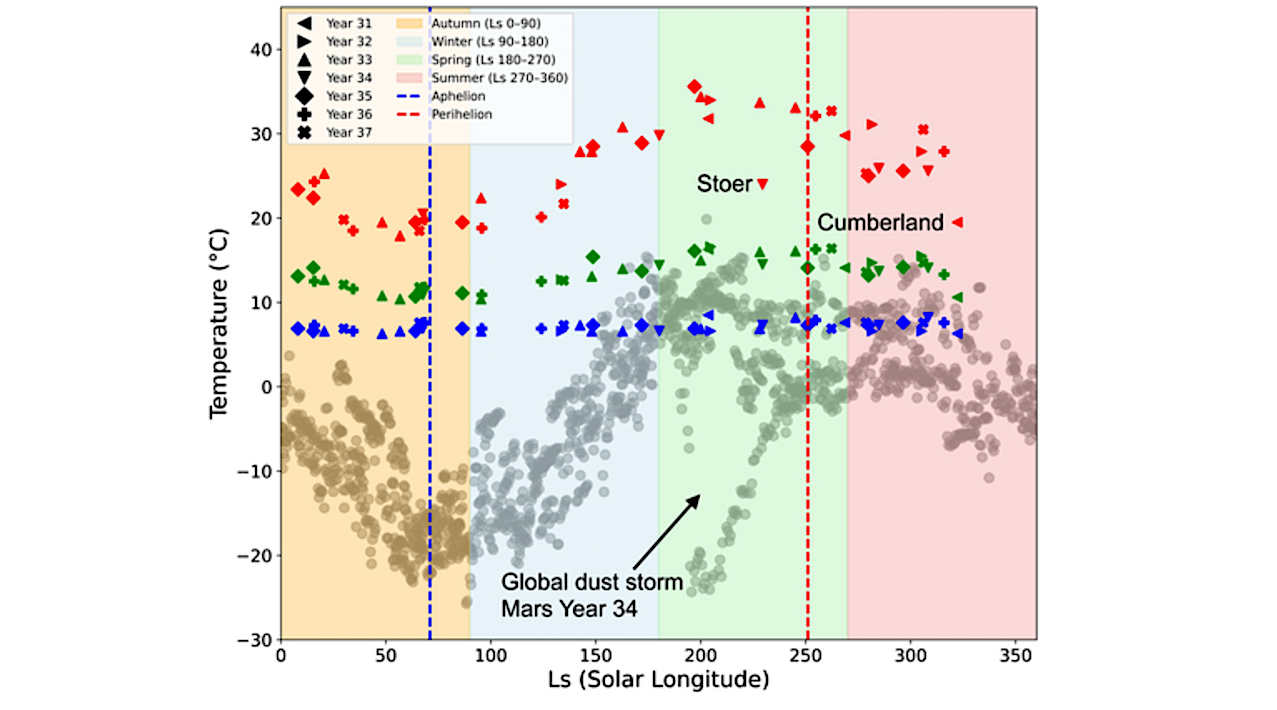
Status Report JGR Planets April 27, 2026 Filed under CheMin, cryohydrates, Curiosity rover, ESA, Gale Crater, JGR Planets, Mars, Mars Life Explorer, Rosalind Franklin, Sedimentary rock, starkeyite Compilation of the
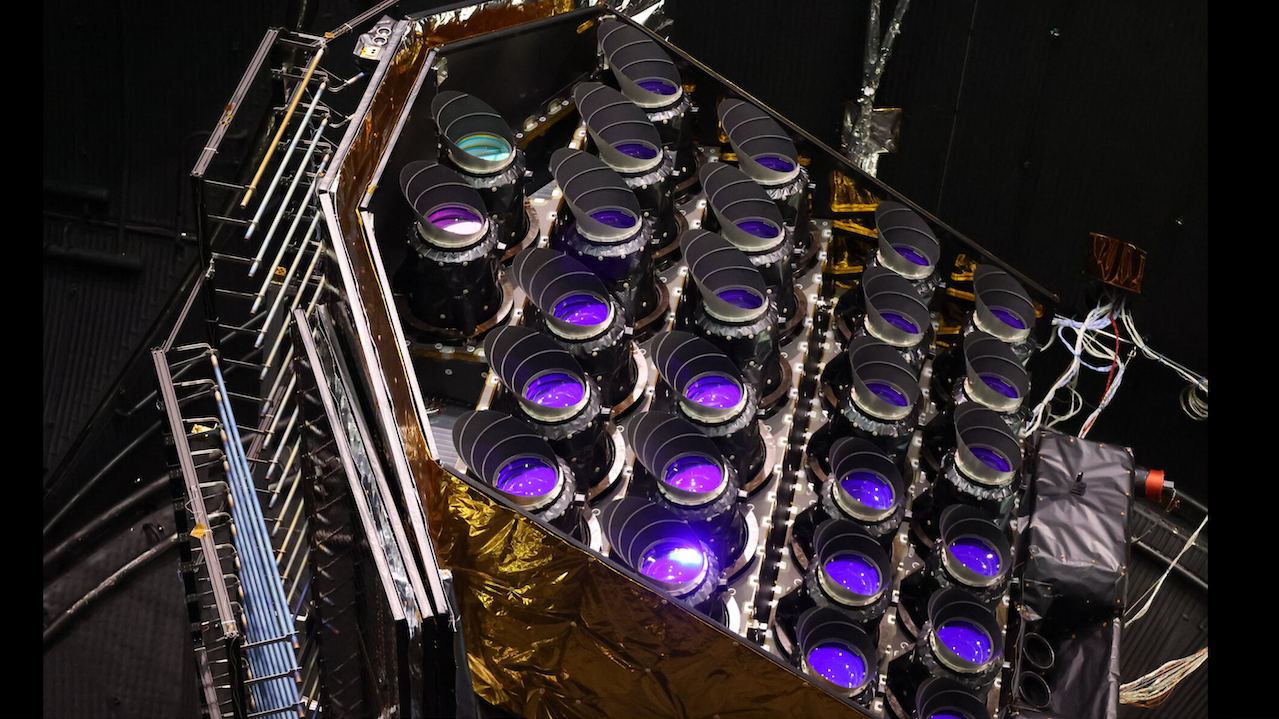
The picture was taken from the top of the LSS after the chamber was reopened. It gives us a direct view of Plato’s 26 ultrasensitive cameras. These are the special