
A new type of self-interacting dark matter could provide solutions to three very different cosmic puzzles, new research suggests. The first mystery that could be solved involves an ultradense clump


13615Articles
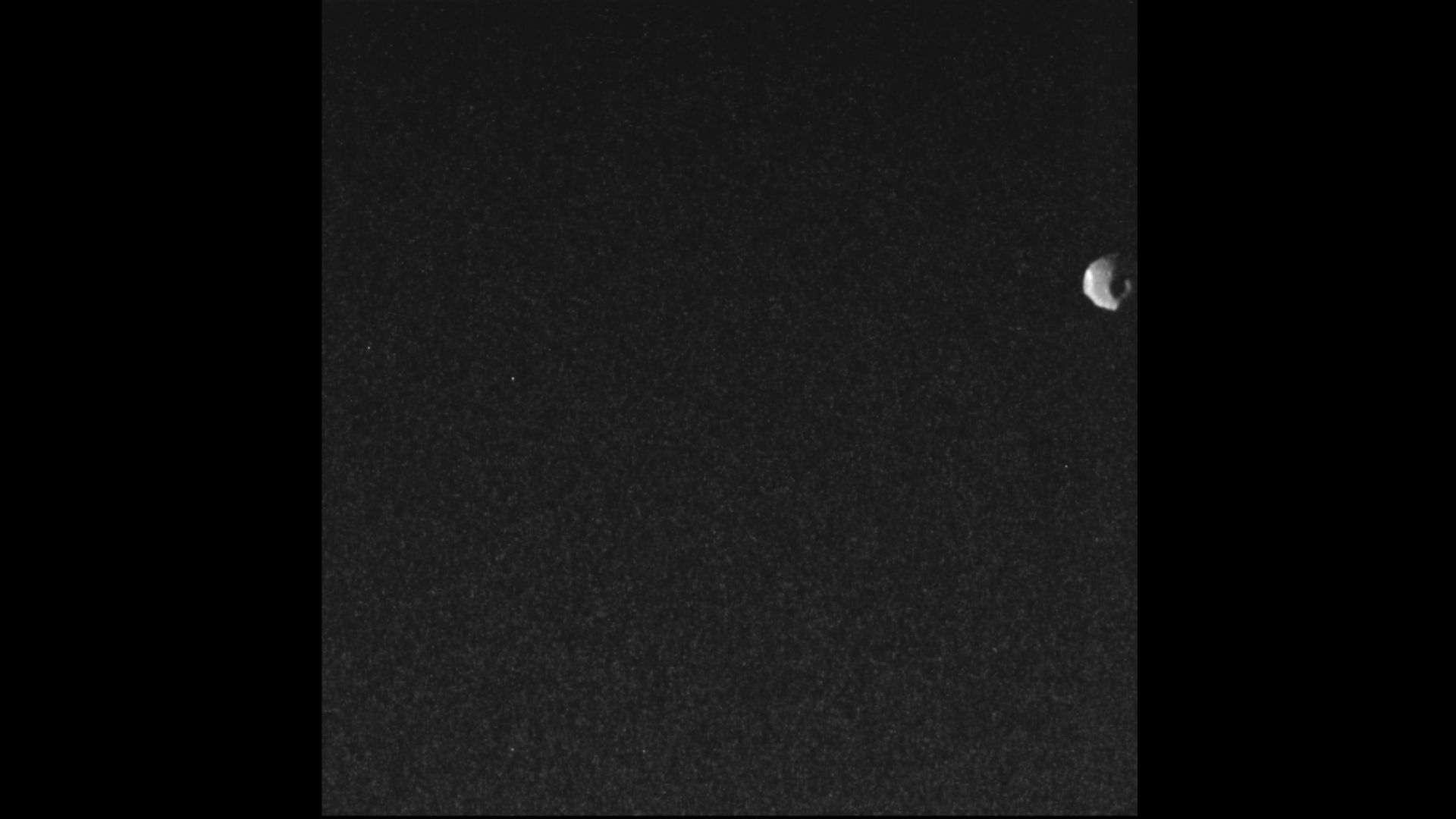
Jupiter’s moon Thebe, as seen by a Juno flyby on May 1, 2026. (Image credit: NASA/JPL-Caltech) NASA’s Juno spacecraft has snuck a peek at one of Jupiter’s largest inner moons.
Scientists have discovered that the universe’s most massive black holes may form in the densest of stellar environments, or so-called globular clusters. It is in these clusters where violent collisions
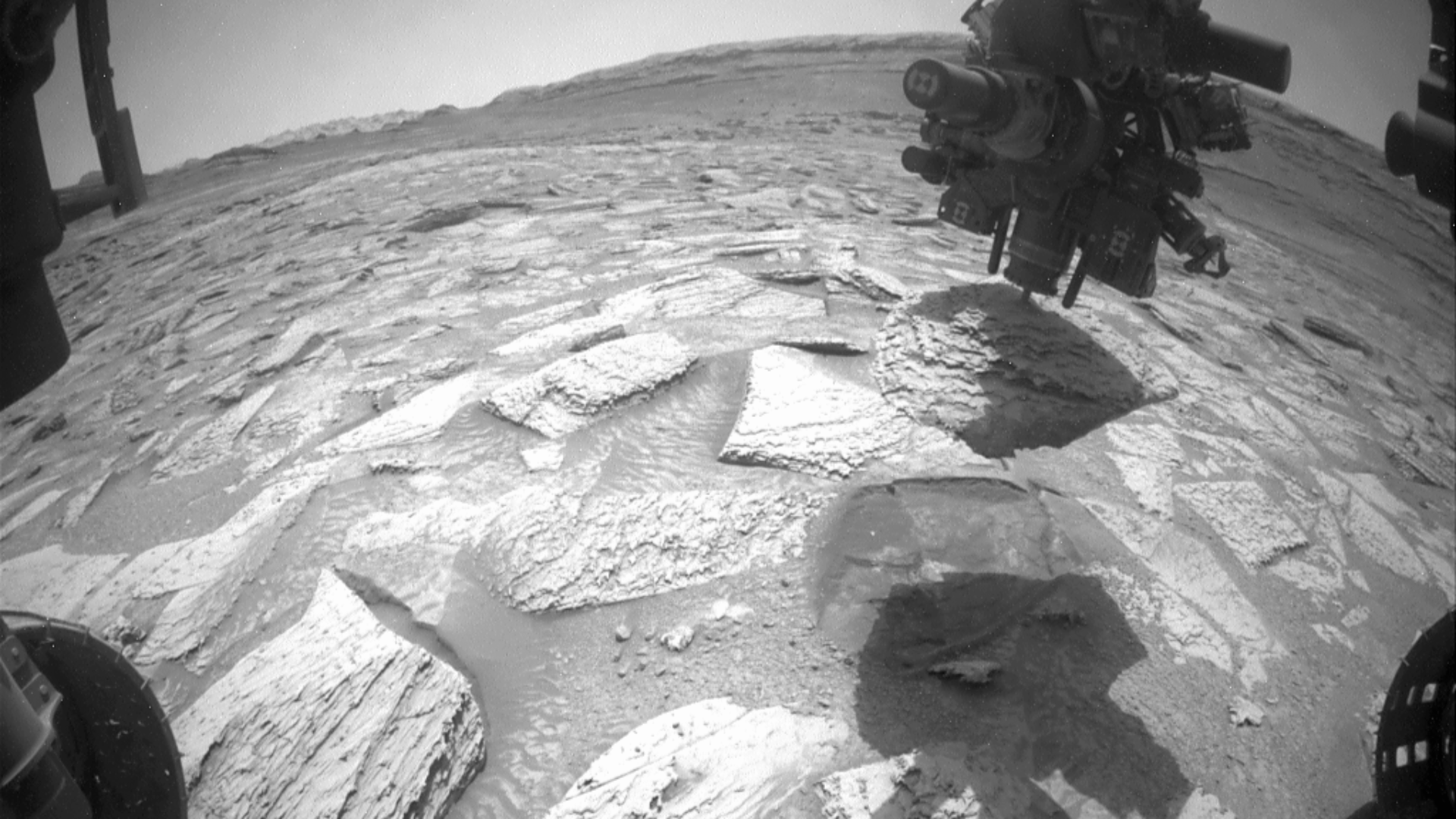
Mars has intense radiation, furious dust storms, and temperatures that plunge as low as -200 degrees Fahrenheit (-129 degrees Celsius) — and NASA’s Mars rovers usually handle them all with
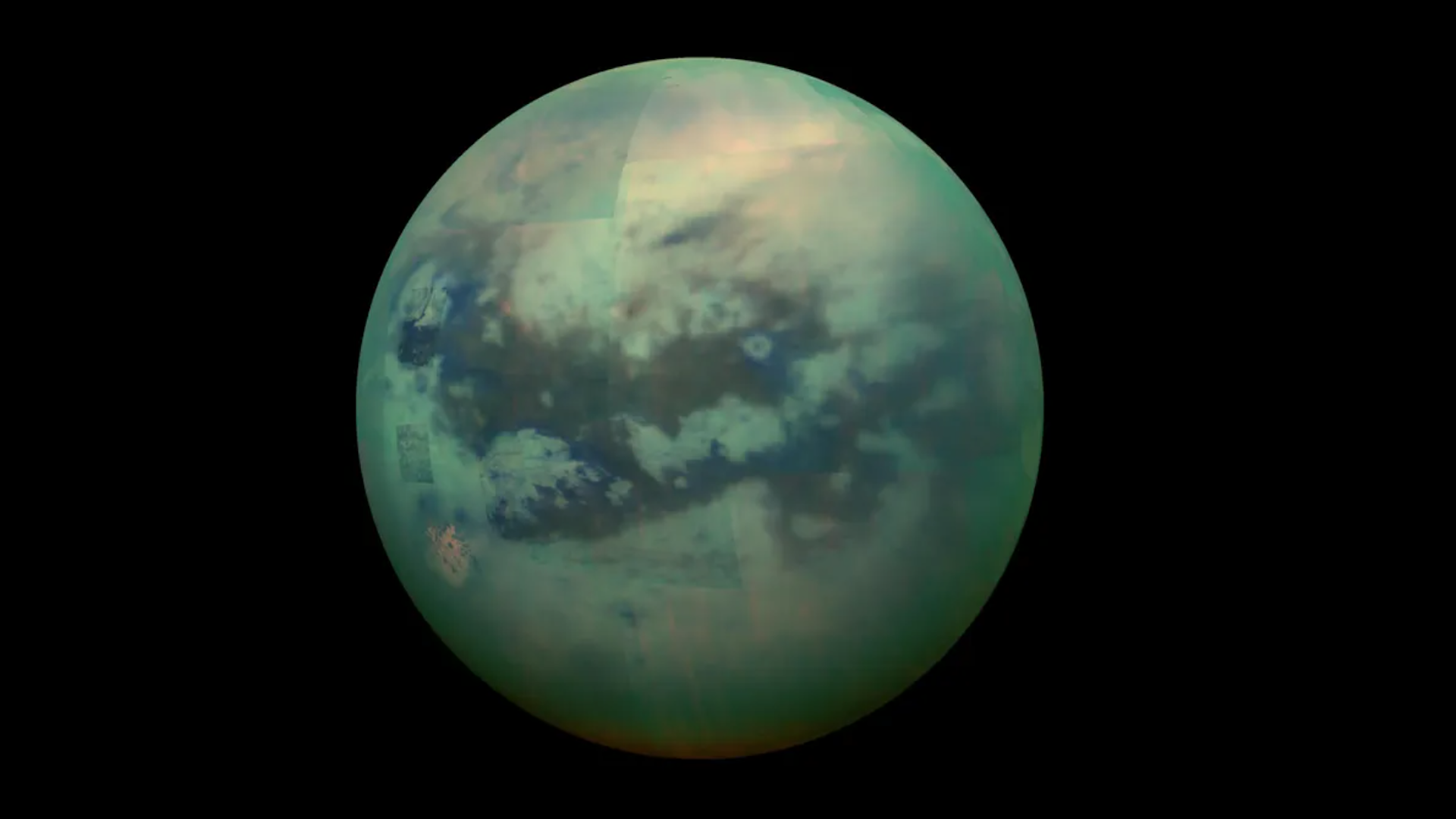
After “re-booting” the moon and establishing a base there, followed by dispatching expeditionary crews to Mars, where should humanity go? Next month, a first-of-its-kind gathering will blueprint an eventual crewed



Advertisement
Popular Now
-
 01Two Black Holes Observed Circling Each Other for the First Time
 -
 02From Polymerization-Enabled Folding and Assembly to Chemical Evolution: Key Processes for Emergence of Functional Polymers in the Origin of Life
 -
 03Astronomy 101: From the Sun and Moon to Wormholes and Warp Drive, Key Theories, Discoveries, and Facts about the Universe (The Adams 101 Series)
 -
 04True Anomaly hires former York Space executive as chief operating officer
 -
 05Φsat-2 begins science phase for AI Earth images
 -
 06Hurricane forecasters are losing 3 key satellites ahead of peak storm season − a meteorologist explains why it matters
 -
 07Binary star systems are complex astronomical objects − a new AI approach could pin down their properties quickly
Scroll to Top