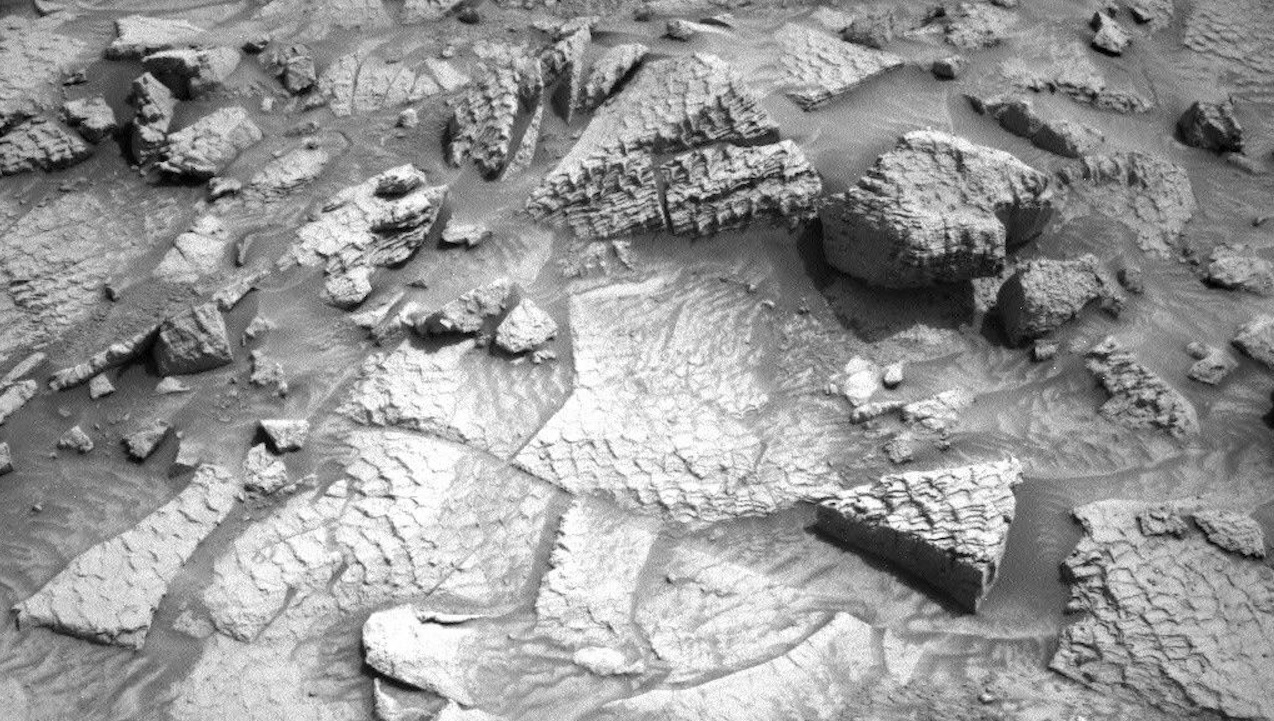
NASA’s Mars rover Curiosity acquired this image, showing the polygonal sulfate unit currently being investigated by the rover after leaving the boxwork terrain. Curiosity captured the image using its Left

NASA’s Mars rover Curiosity acquired this image, showing the polygonal sulfate unit currently being investigated by the rover after leaving the boxwork terrain. Curiosity captured the image using its Left
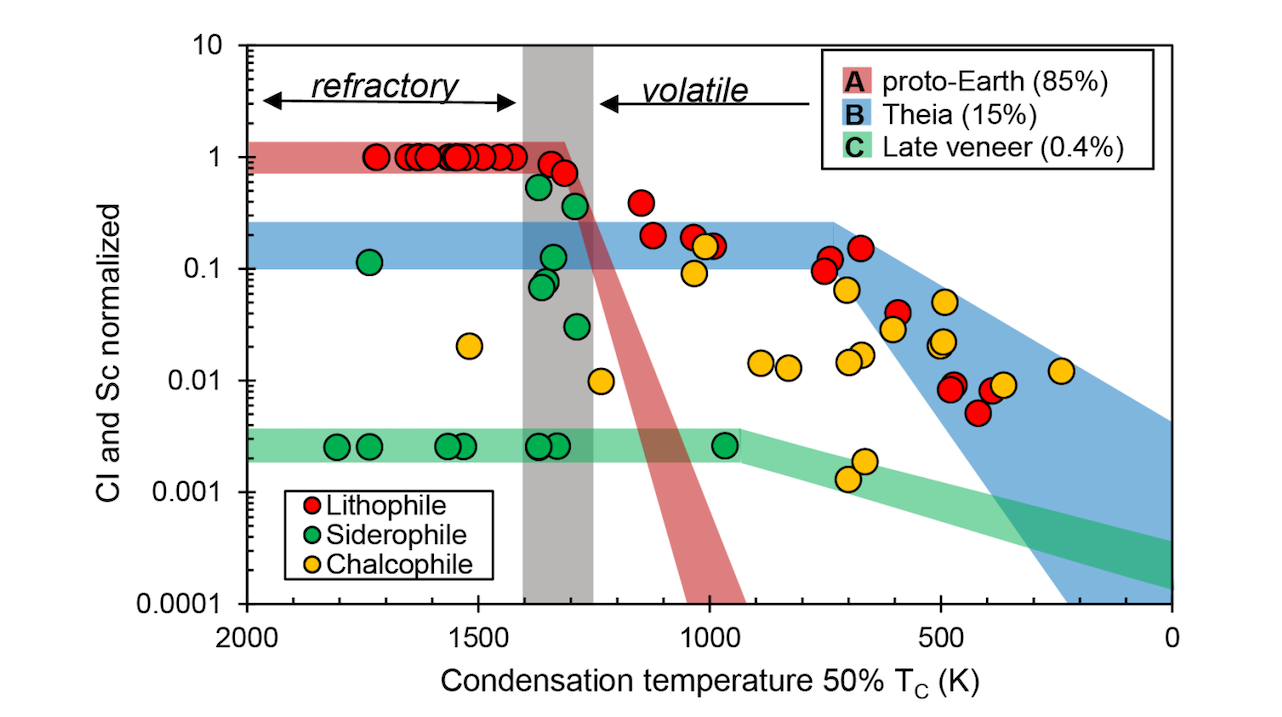
The element abundances in the silicate Earth can be modelled as the result of accretion of three distinct components with distinct element abundances and isotope composition: A: a strongly volatile
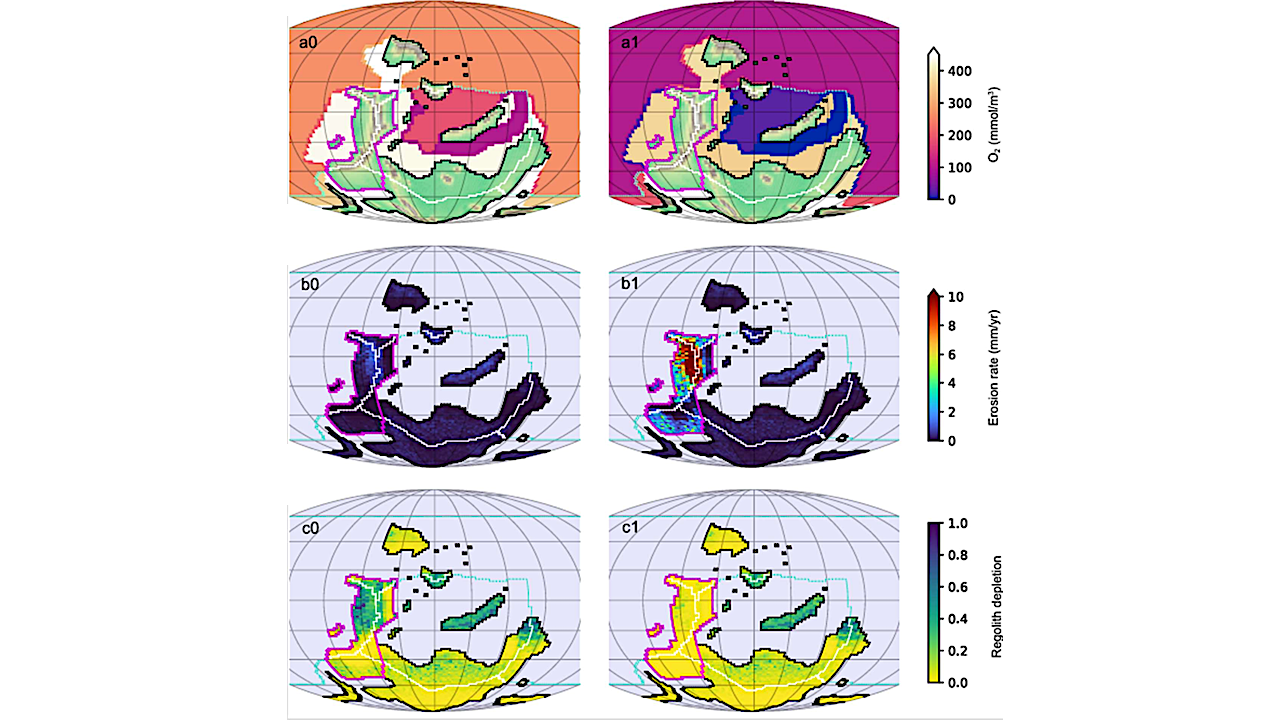
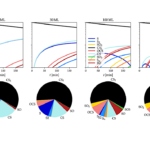
Maps of GEOCLIM simulation (two time slices). “0” maps (left column) are the initial condition, “1” maps (right column) are at the perturbation peak (3 Myr of run time, cf
The next EAI seminar will be on Tuesday 21 April 16:00: “Moral habitability for human space exploration” by Dr. Evie Kendal, Associate Professor and Head of Ethical, Legal and Social
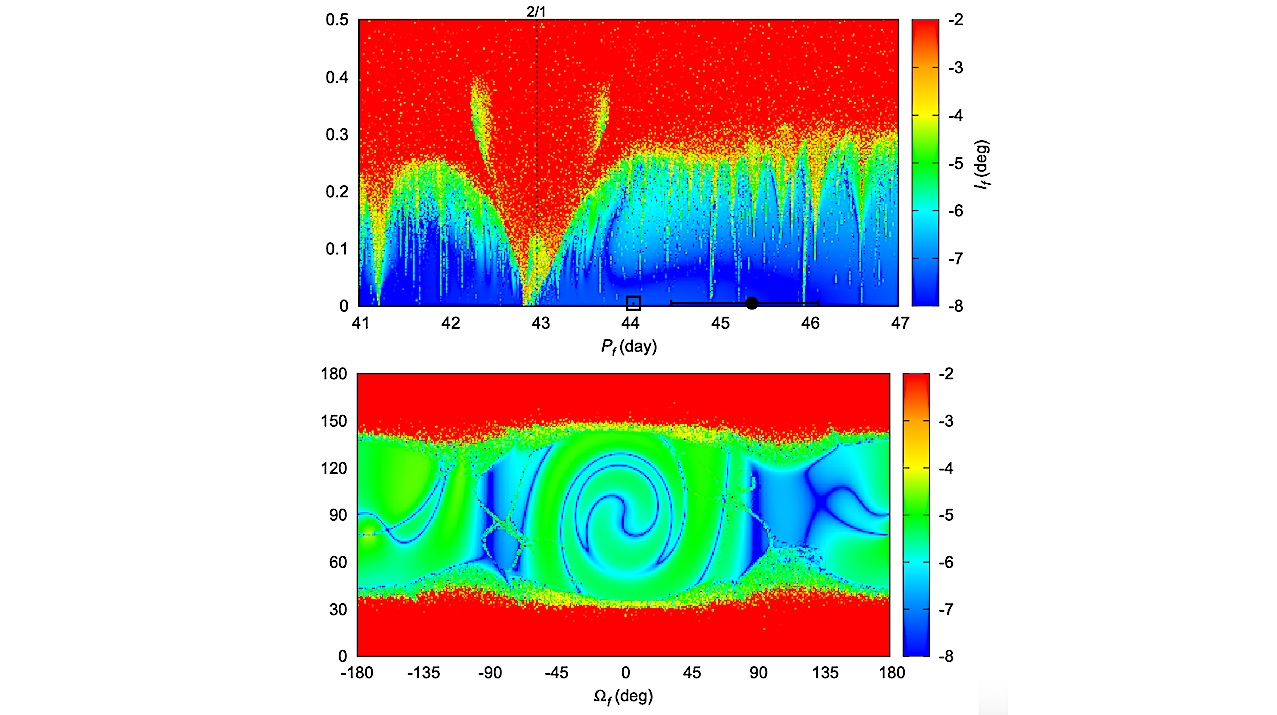
Stability analysis of the TOI-5624 planetary system focusing on planet f. We vary the orbital period Pf and the eccentricity ef (left panel) and the longitude of the node Ωf
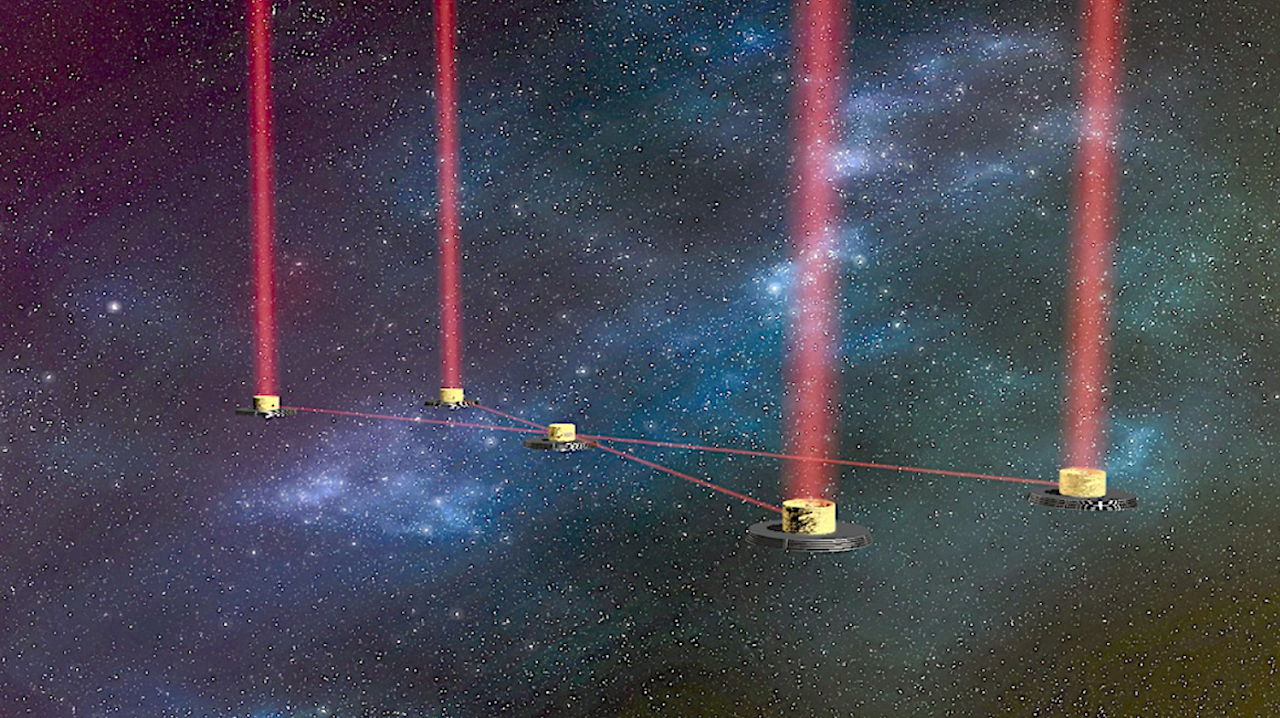
Artist’s impression of the LIFE nulling-interferometry mission, consisting of four collector spacecraft in a rectangular array configuration sending light to a beam combiner spacecraft in the center. The present analysis
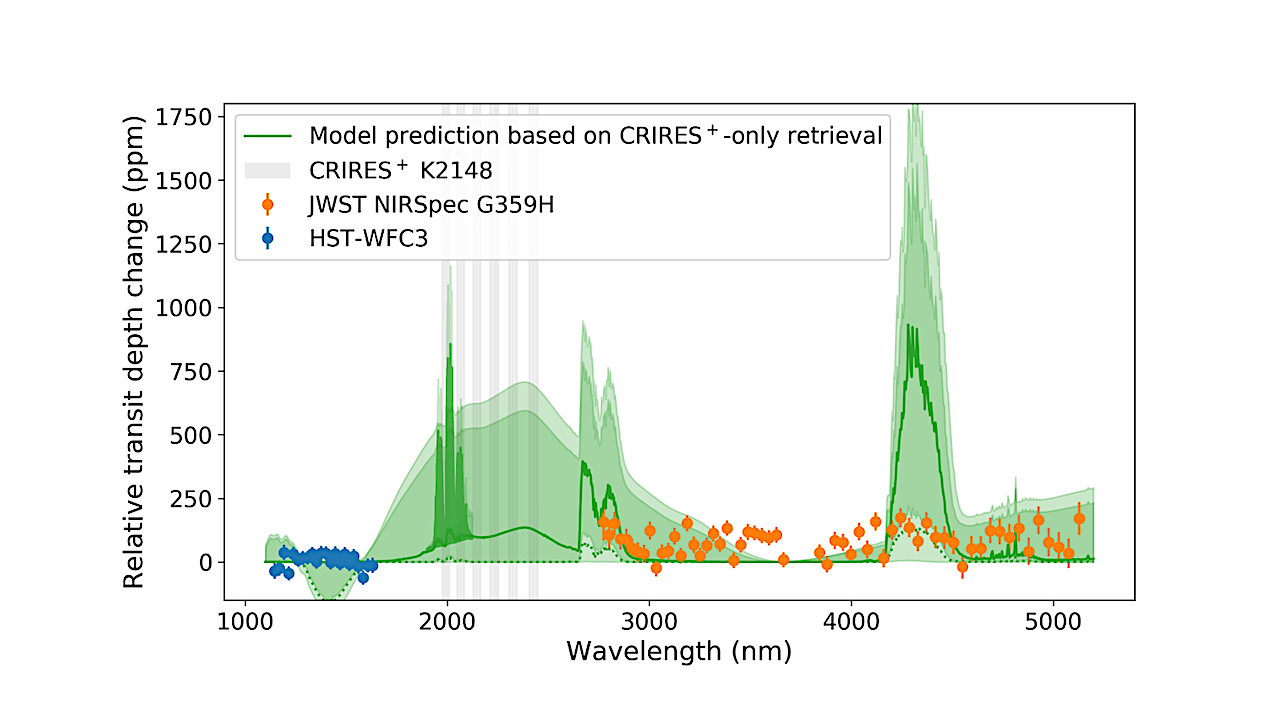
Predicted relative transit depth change from the equilibrium chemistry CO2-only model retrieved for CRIRES+ data (green). The model predictions are plotted in high-resolution in the wavelength region overlapping with the
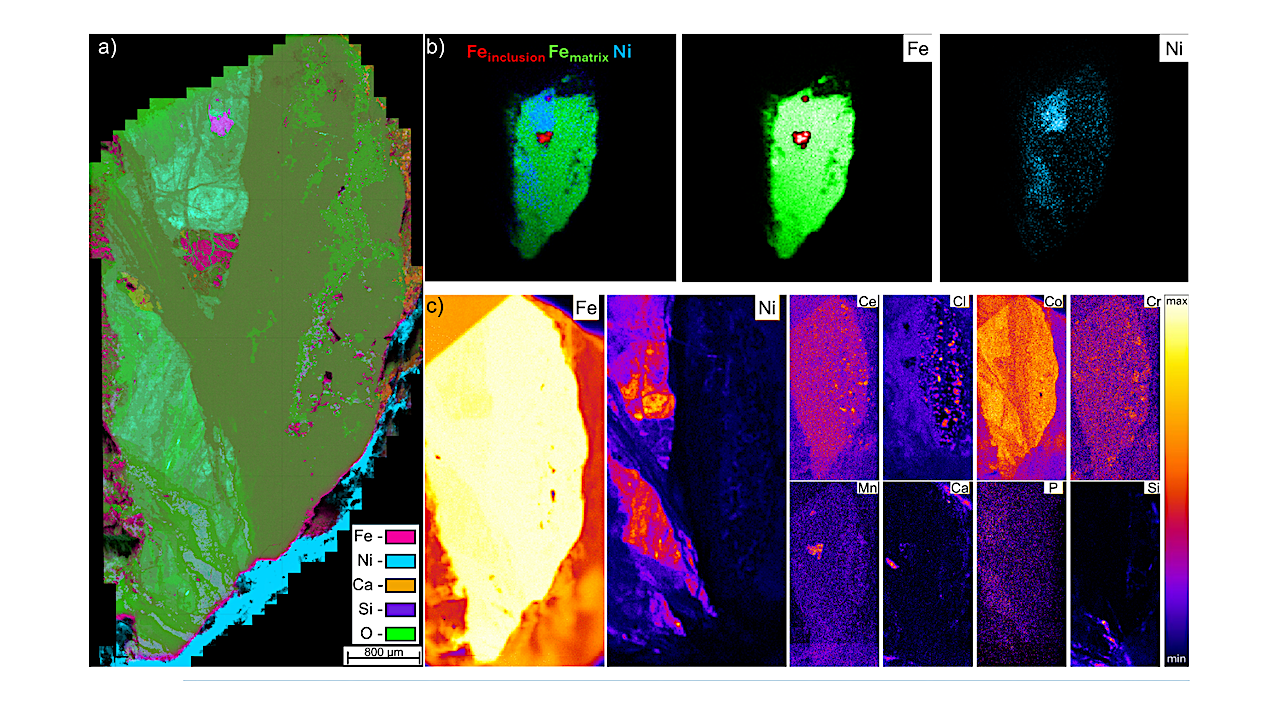
a) Large area EDS map of Nantan meteorite sample showing the distribution of detected elements. b) XPS SnapMaps of Nantan fragment showing the distribution of Fe and Ni. c) XRF
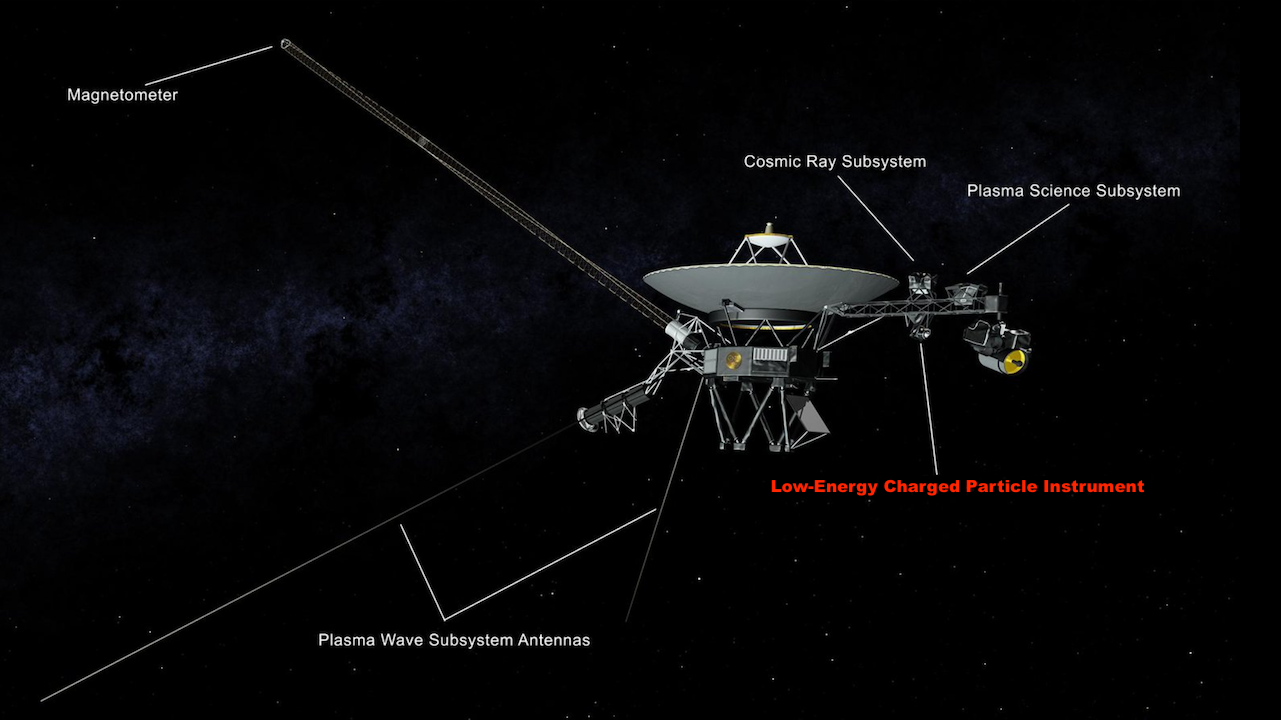
Location of LECP on Interstellar Spacecraft Voyager 1 On April 17, engineers at NASA’s Jet Propulsion Laboratory (JPL) in Southern California sent commands to shut down an instrument aboard Voyager
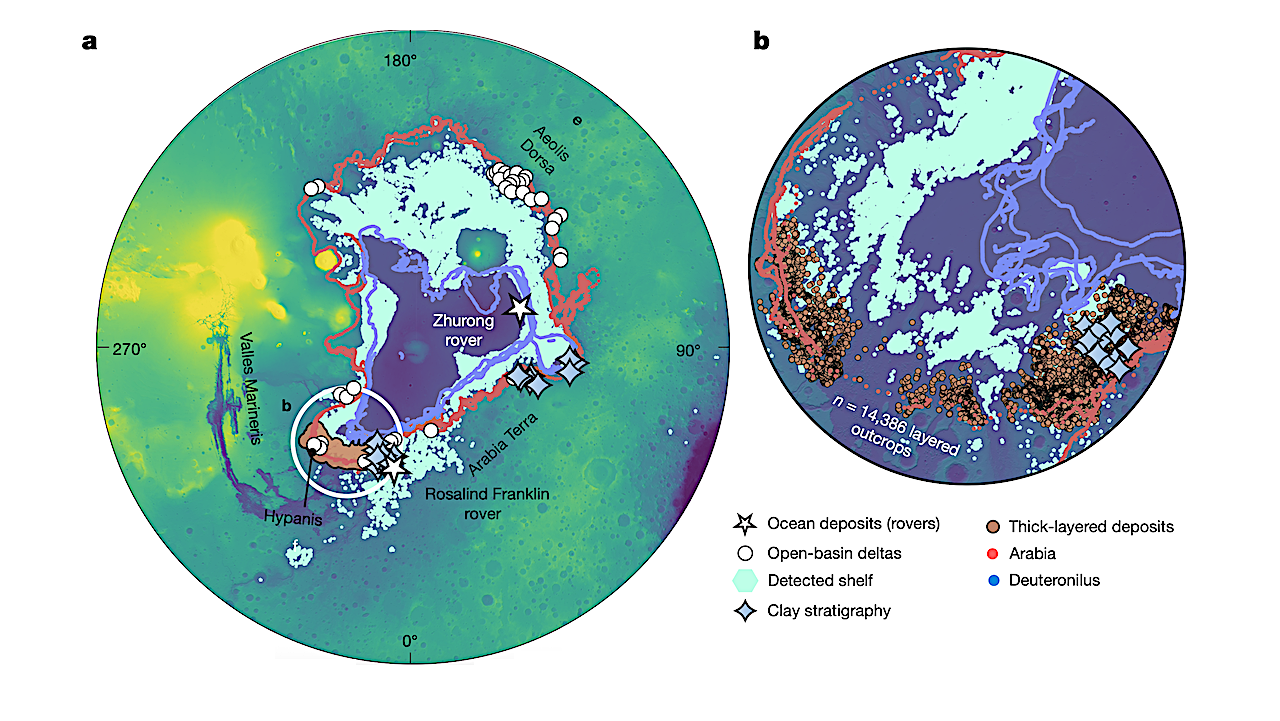
Sedimentologic and mineralogic evidence for sedimentary rocks, clay stratigraphy and open-basin deltas along and within the detected shelf. a,b, Polar stereographic projections of the detected shelf showing 14,386 mounds interpreted