The European Astrobiology Network Association (EANA) 2026 Conference The European Astrobiology Network Association (EANA) 2026 Conference will be organised by the Space Exploration Institute in Neuchâtel, Switzerland, from the 1st

The European Astrobiology Network Association (EANA) 2026 Conference The European Astrobiology Network Association (EANA) 2026 Conference will be organised by the Space Exploration Institute in Neuchâtel, Switzerland, from the 1st

Keith Cowing Biologist, Explorers Club Fellow, ex-NASA Space Biologist and Payload integrator, Editor of NASAWatch.com and Astrobiology.com, Lapsed climber, Explorer, Synaesthete, Former Challenger Center board member 🖖🏻 Follow on Twitter

Life Emerges On Early Earth — Grok via Astrobiology.com Isolating the first spark of life on Earth is a matter of biology, geology, and chemistry — but it’s also an
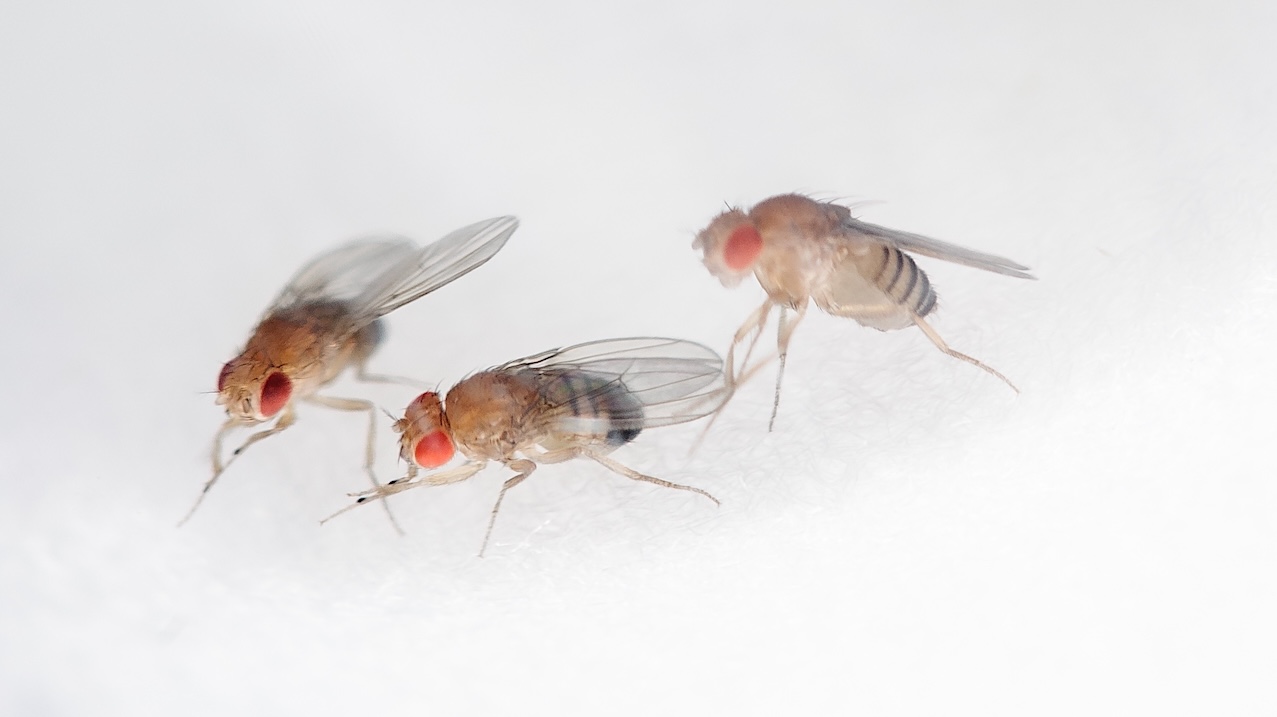
Fruit flies (Drosophila melanogaster) are used for scientific research both on Earth and in space. NASA / Dominic Hart Source Expose an animal to extreme physical stress, and the expectation
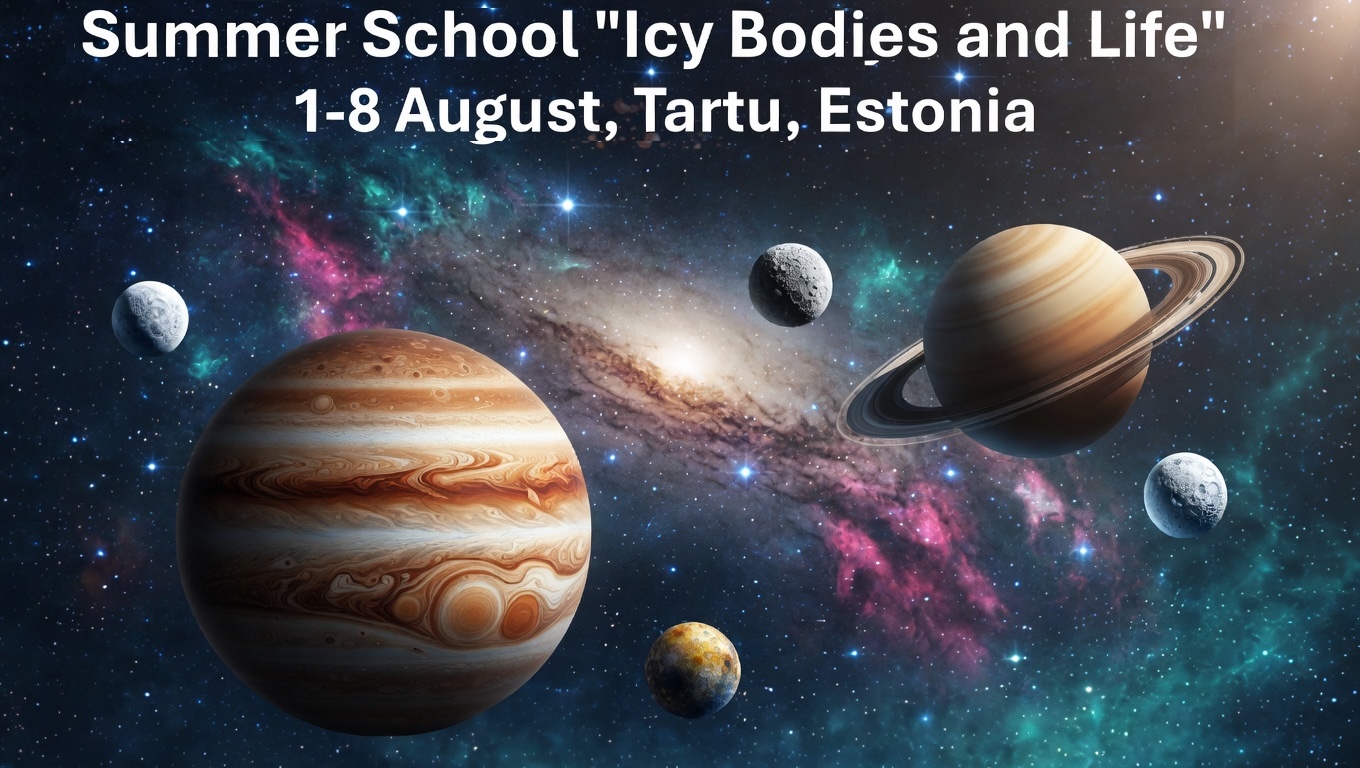
Summer School: Icy Bodies and Life Summer School: Icy Bodies and Life in Tartu, Estonia1 – 8 August, 2026 The summer school Icy Bodies and Life (Tartu, Estonia 1-8 August
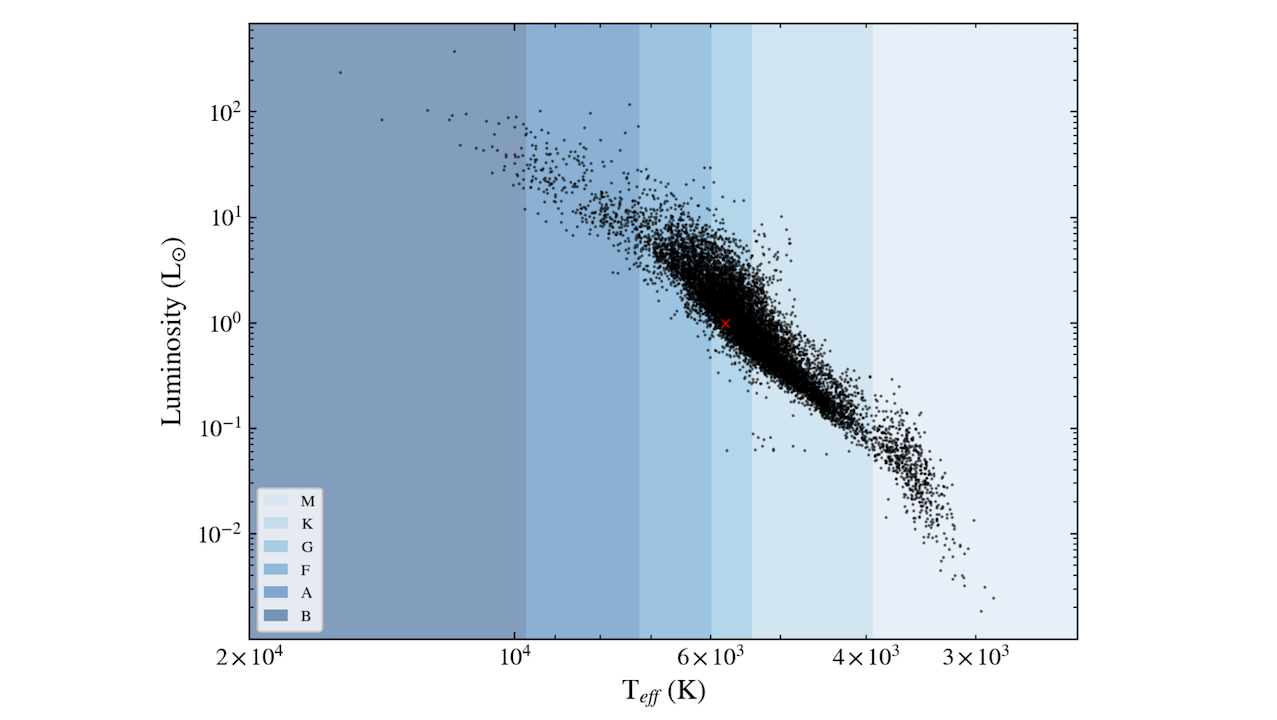
Distribution of our candidates on an HR diagram. The red cross marks the Sun’s position, the background colors provide approximate stellar types via the classifications in Pecaut & Mamajek (2013).
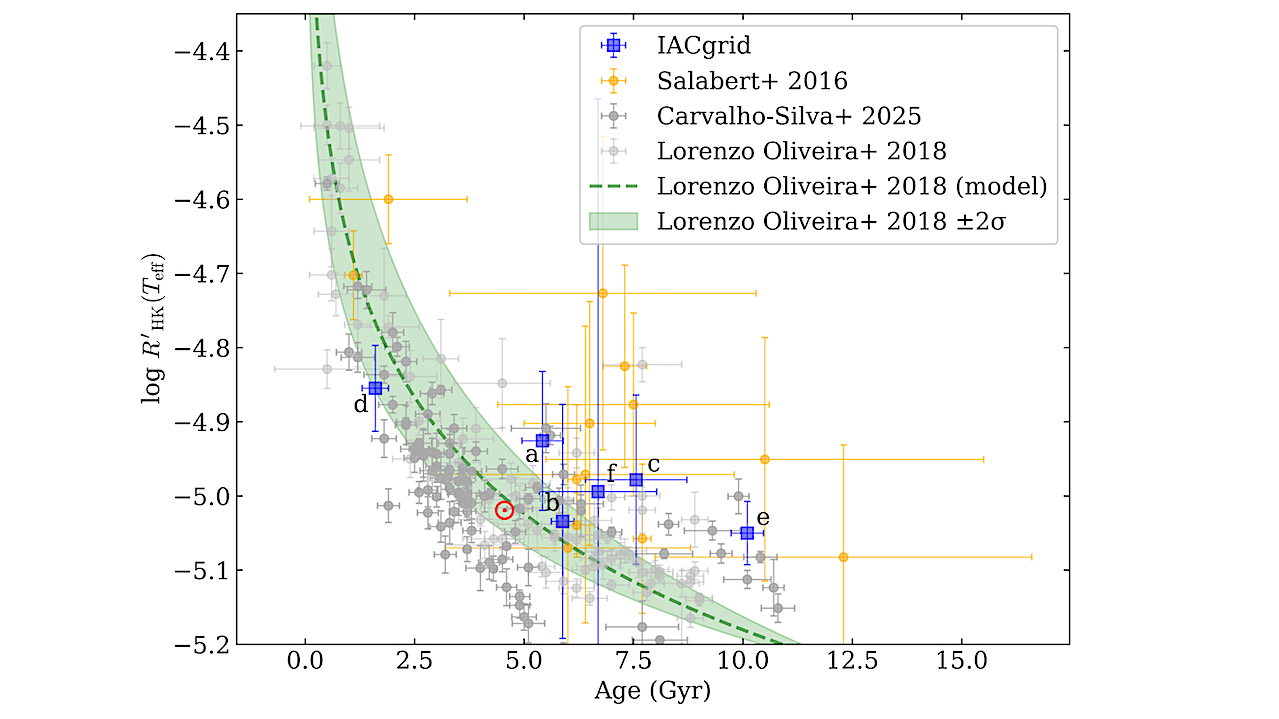
log R′HK(Teff) as a function of age for solar twins and solar analogs. Blue squares represent the six new seismic solar analogs listed in Table 1. Orange, dark-gray, and light-gray
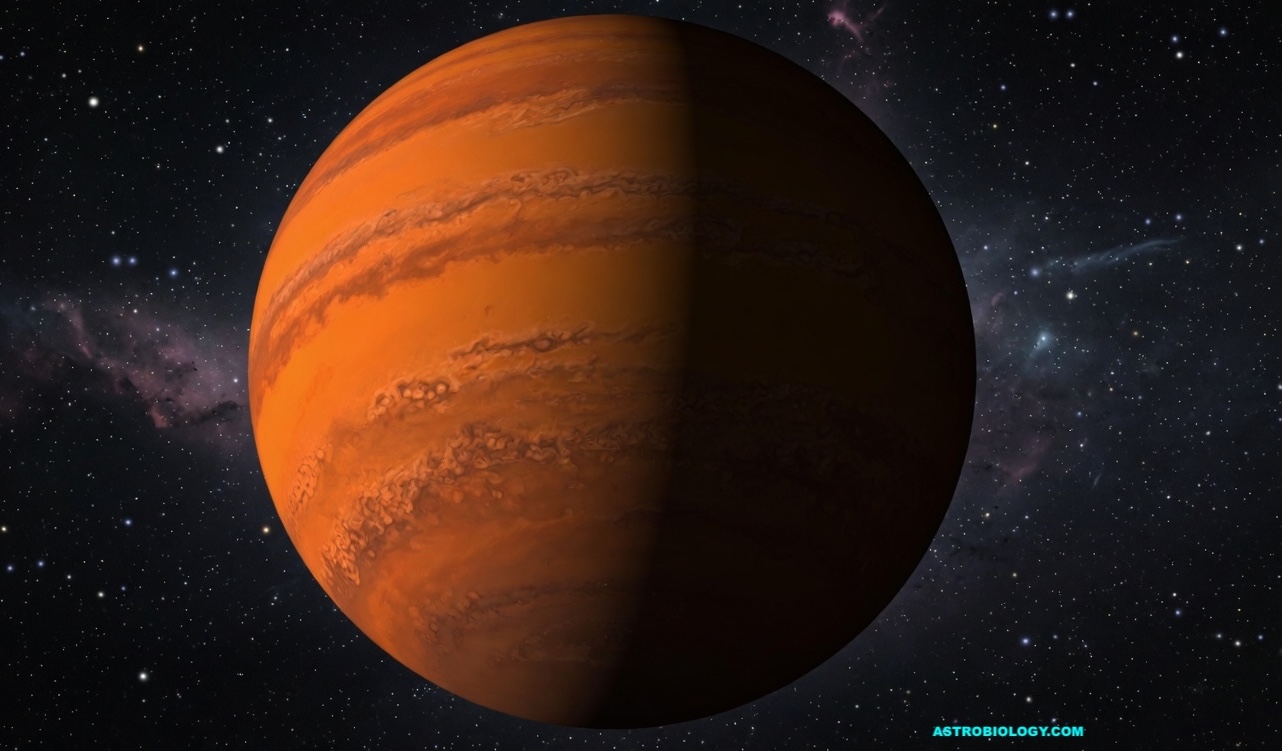
NGTS-10 b is a gas giant exoplanet that orbits a K-type star. Its mass is 2.162 Jupiters, it takes 0.8 days to complete one orbit of its star, and is
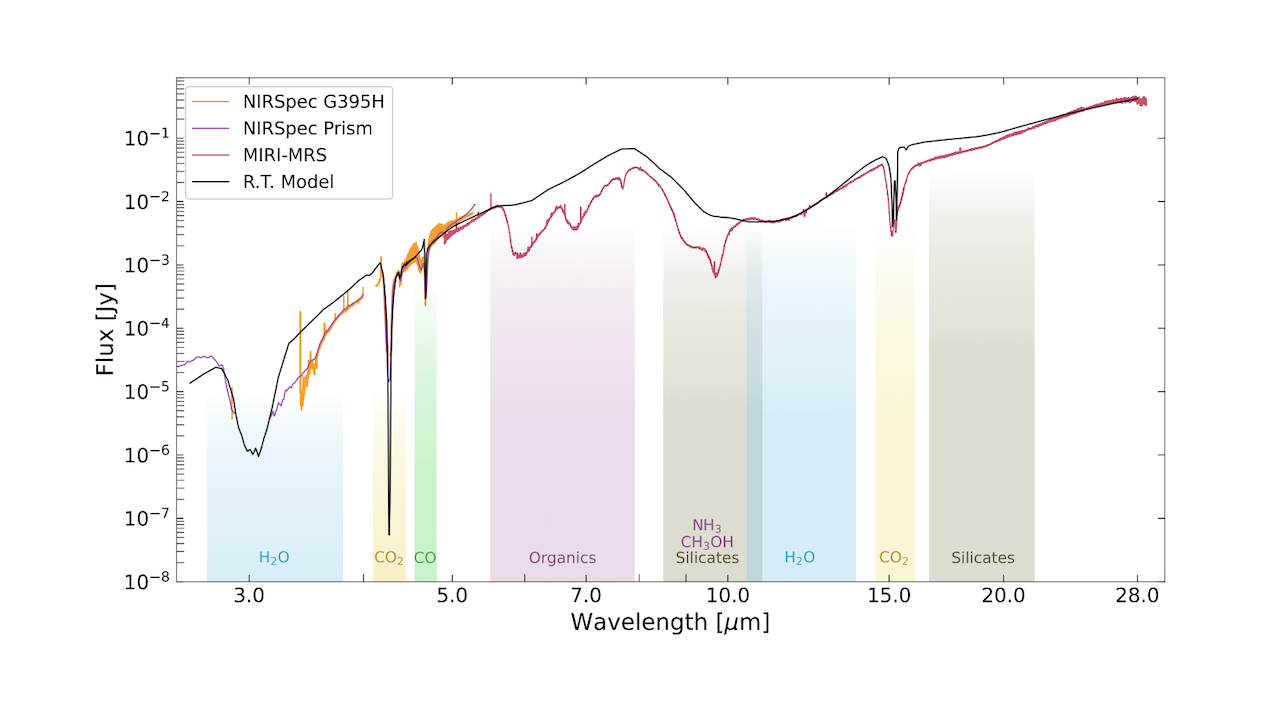
IRAS 15398 JWST NIRSpec spectrum (Program ID 1854, PI: M. McClure), NIRSpec Prism spectrum (Program ID 6161, PI: K. Slavicinska), and MIRI-MRS spectrum (Program ID 2151, PI: Y.-L. Yang) with
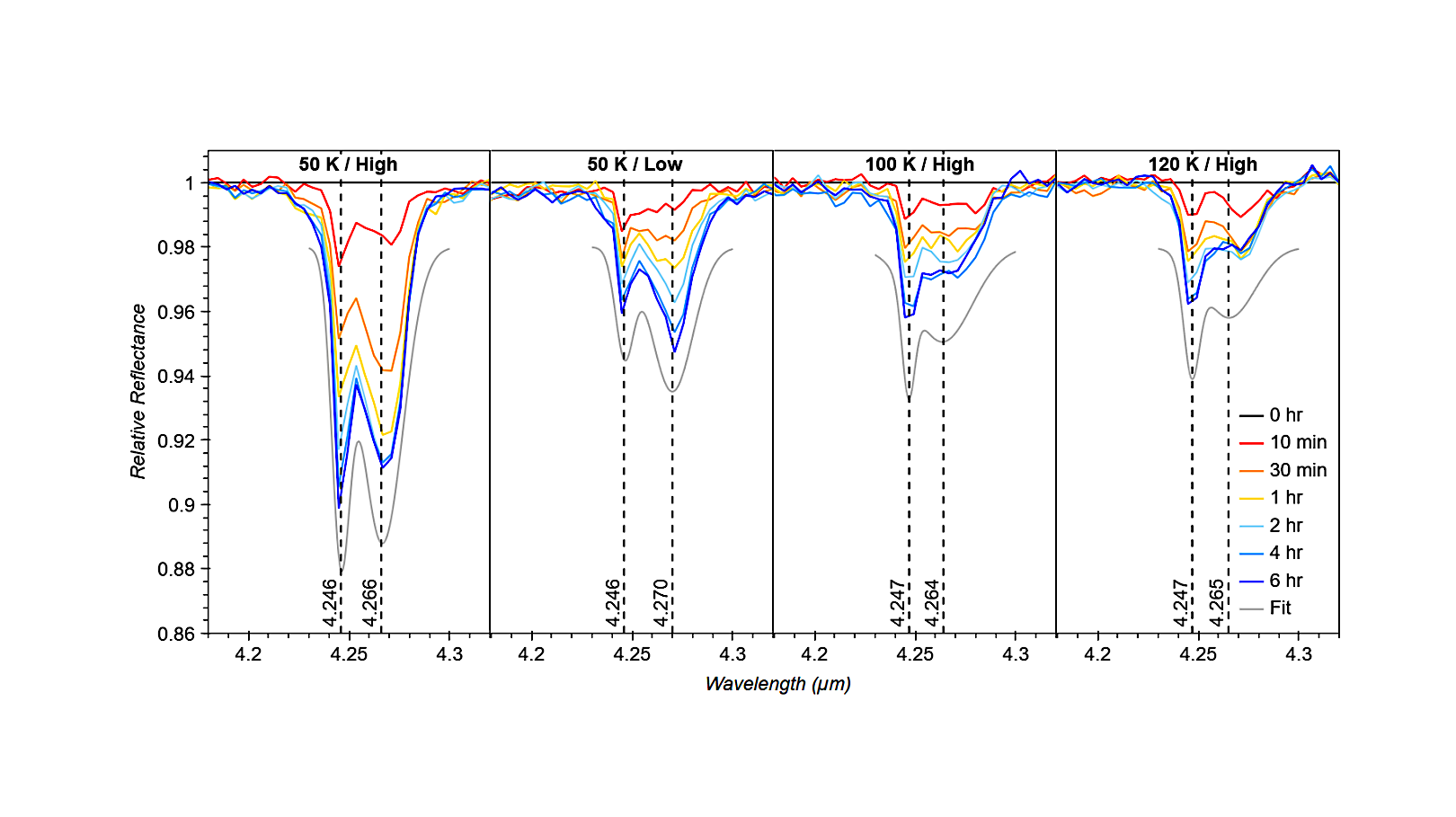
Time-resolved IR spectra from electron irradiation of CaCO3 at 50, 100, and 120 K under two electron fluxes, normalized to the preirradiation CaCO3 baseline and truncated to the 4.2–4.3 μm