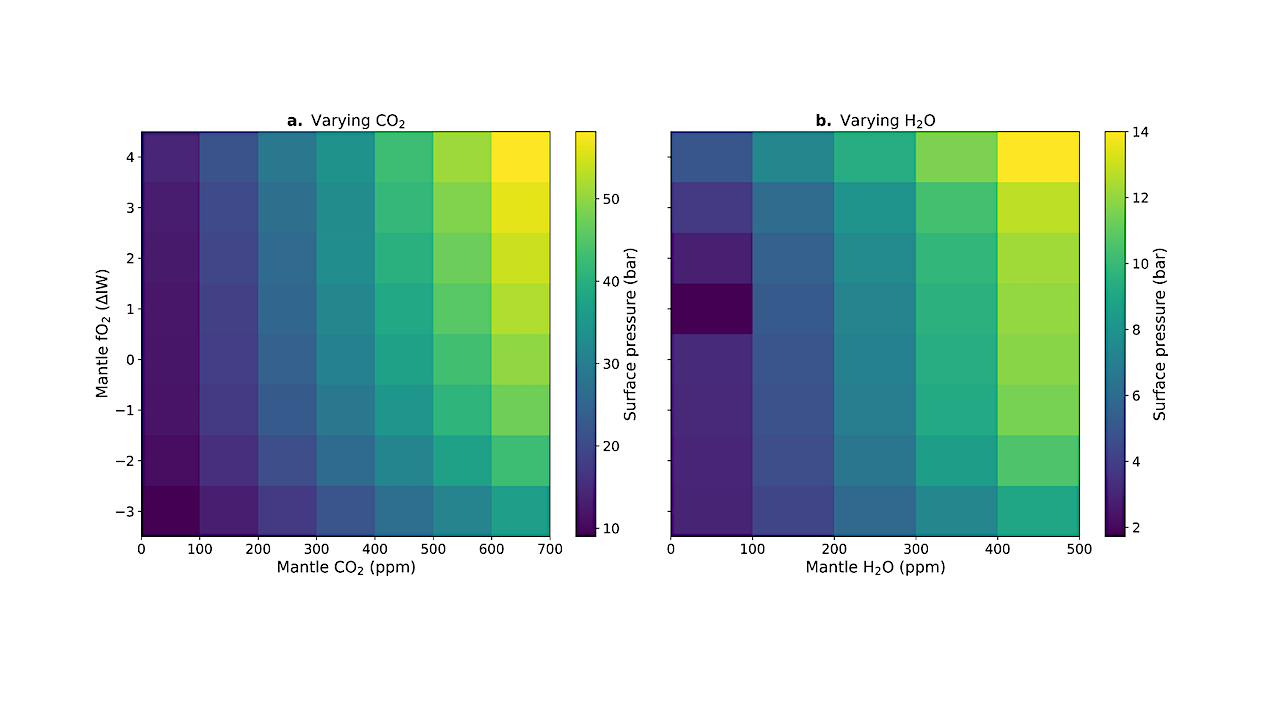
A1. Final surface atmospheric pressure after 4 Gyr of volcanic degassing, shown as a function of mantle oxygen fugacity (fO2) and a. initial mantle CO2 content, b. initial mantle H2O

A1. Final surface atmospheric pressure after 4 Gyr of volcanic degassing, shown as a function of mantle oxygen fugacity (fO2) and a. initial mantle CO2 content, b. initial mantle H2O
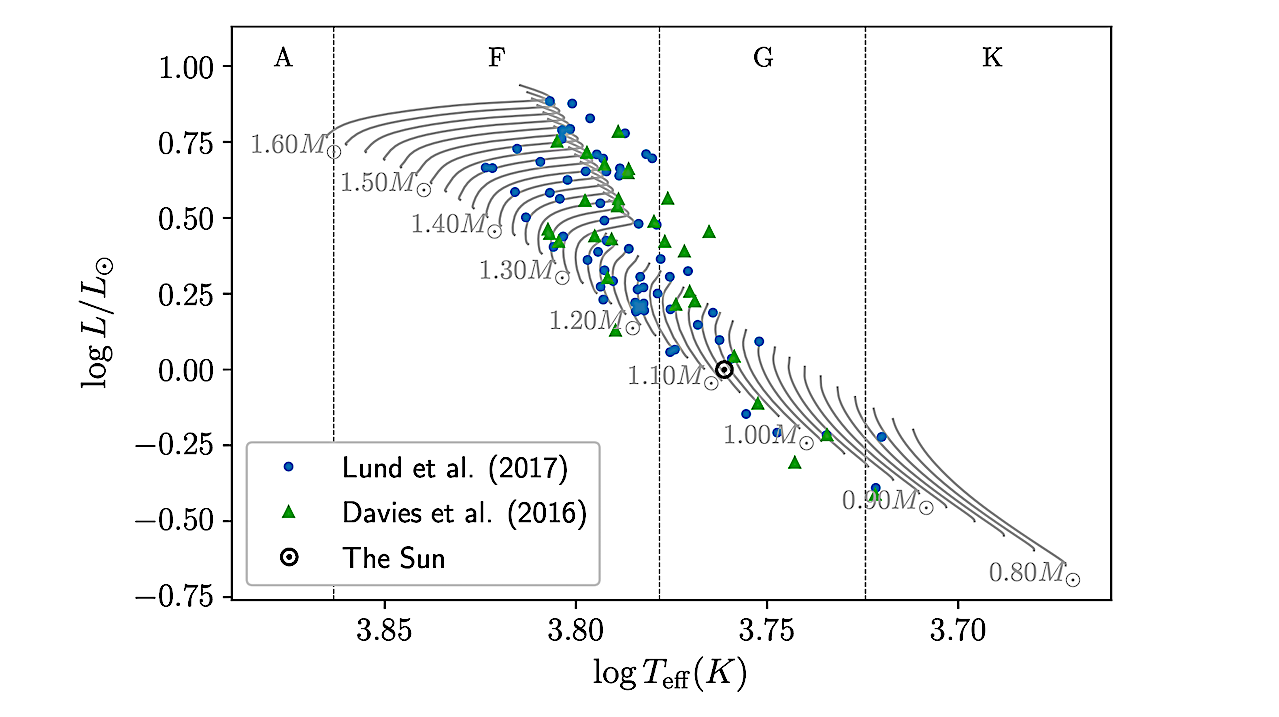
Hertzsprung-Russell diagram of the stellar catalogue. The Sun is shown as a reference and the letters stand for the spectral type. The grey lines represent evolutionary tracks of the Spelaion
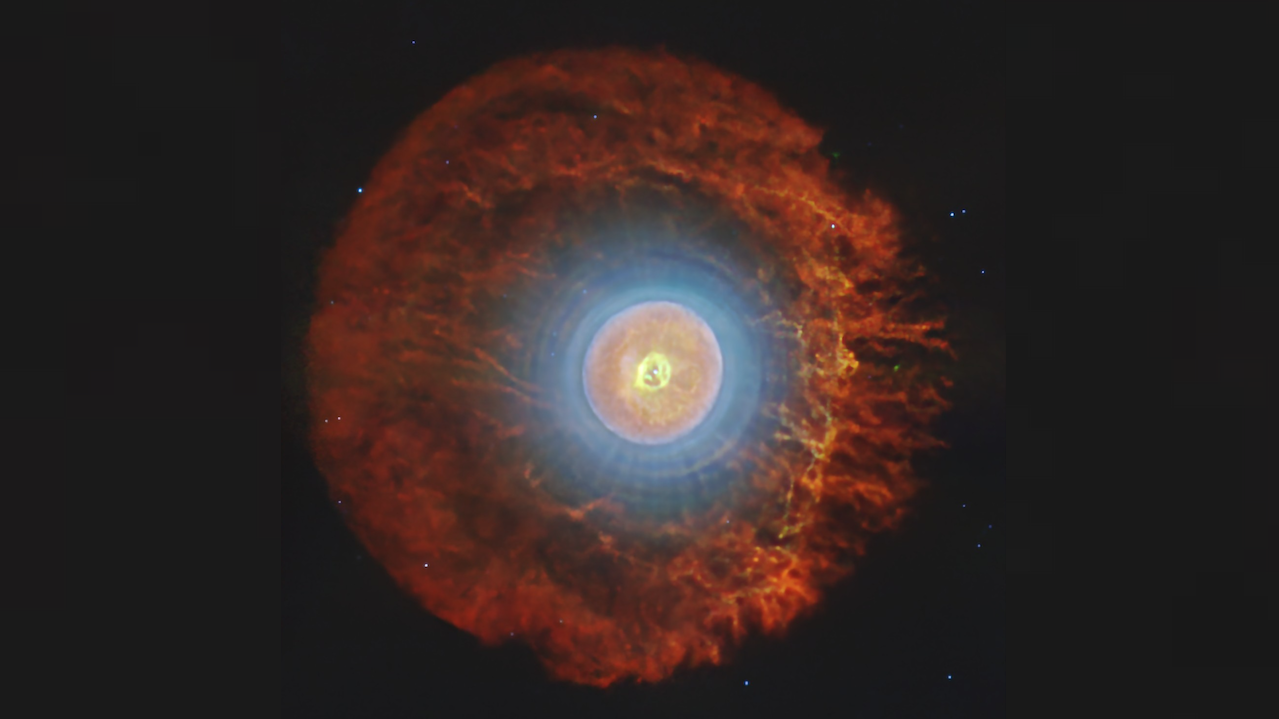
The planetary nebula Tc 1, as observed by JWST’s MIRI mid-infrared instrument, uses a combination of nine filters covering wavelengths from 5.6 to 25.5 microns, well beyond what the human
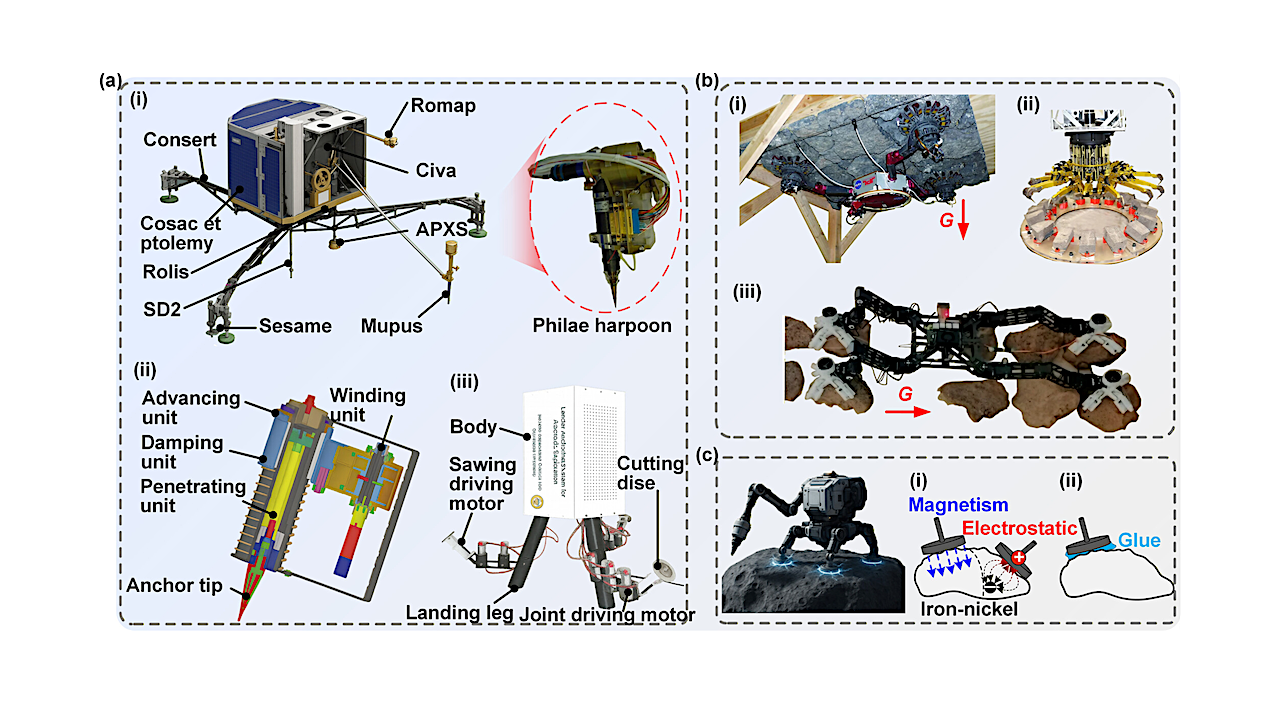
Representative anchoring mechanisms for small-body sampling robots. (a) Mechanical penetration. (i) Philae lander and its harpoon. Reproduced with permission Copyright 2009, Elsevier. Reproduced with permission . Copyright 2016, Elsevier.
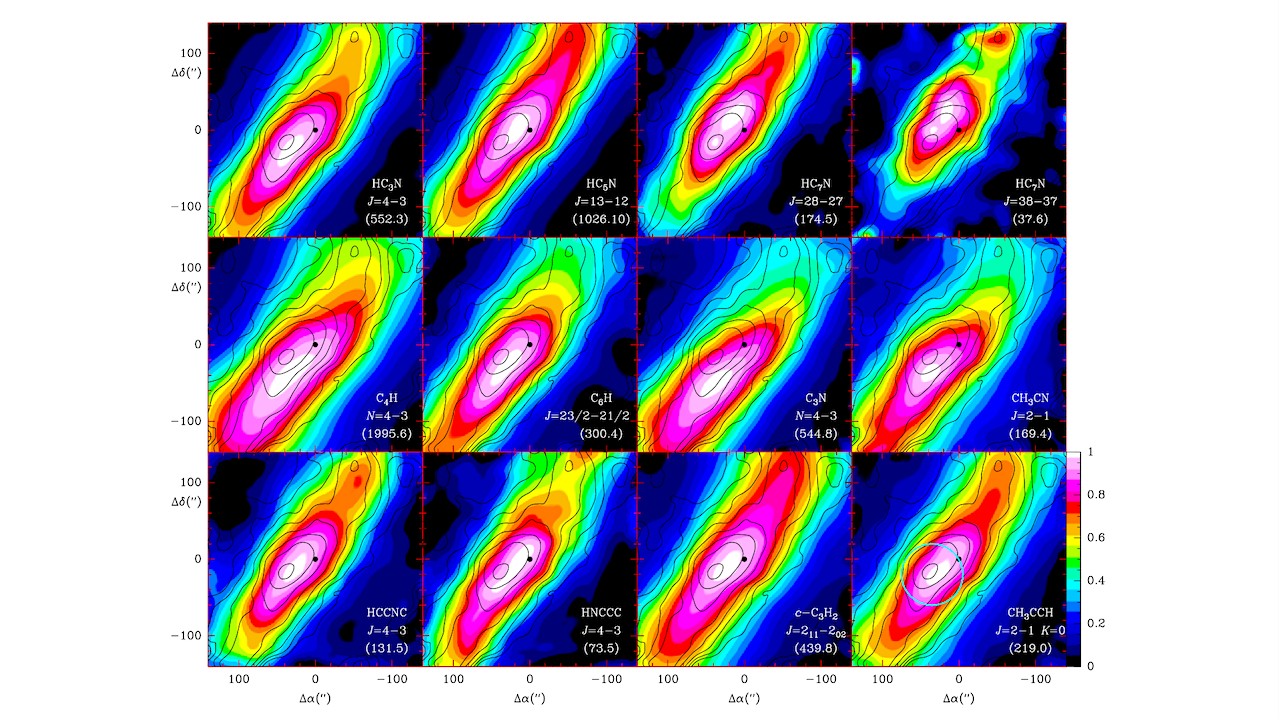
Integrated intensity between 5.3 and 6.5 kms−1 of different molecular transitions (colors) compared with that of C6H5CN (black contours; first contour and step are 0.75 mK kms−1 ). For each
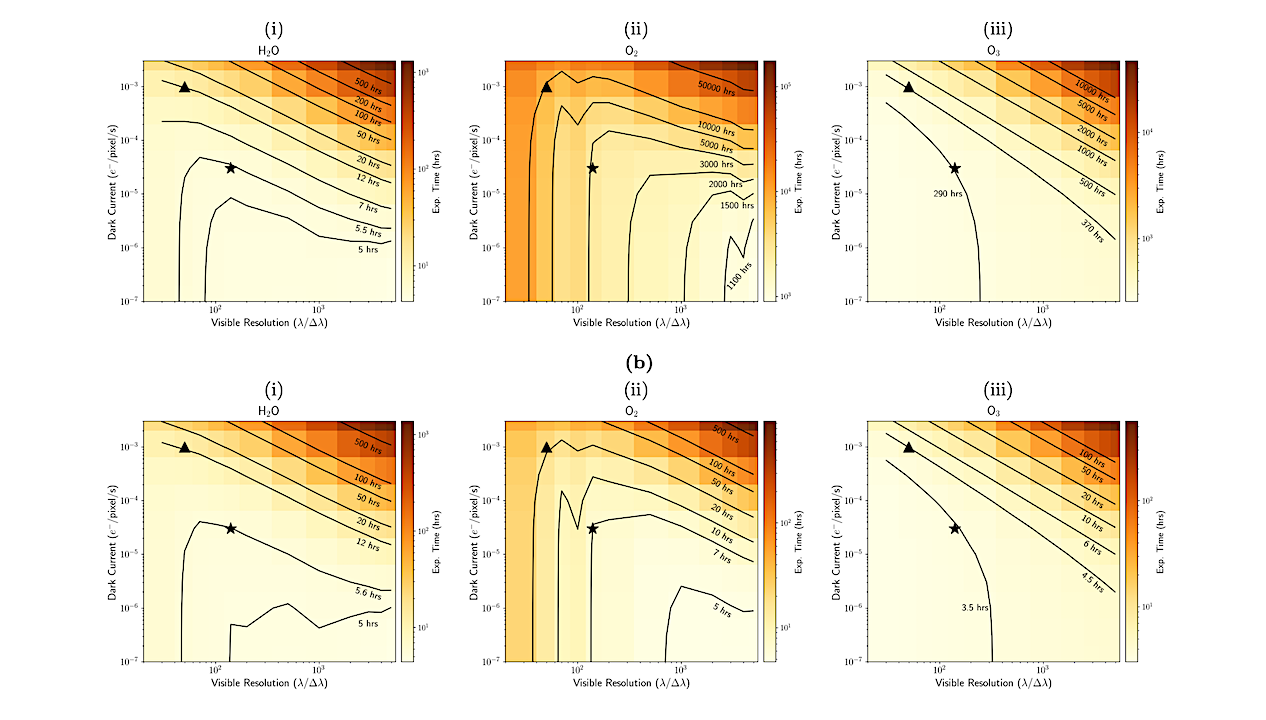
Contour plots showing the relationship between dark current, visible band-pass resolution, and exposure time required for molecular detection. (a) High-CH4 Proterozoic Earth: (i) H2O, (ii) O2, (iii) O3. While higher
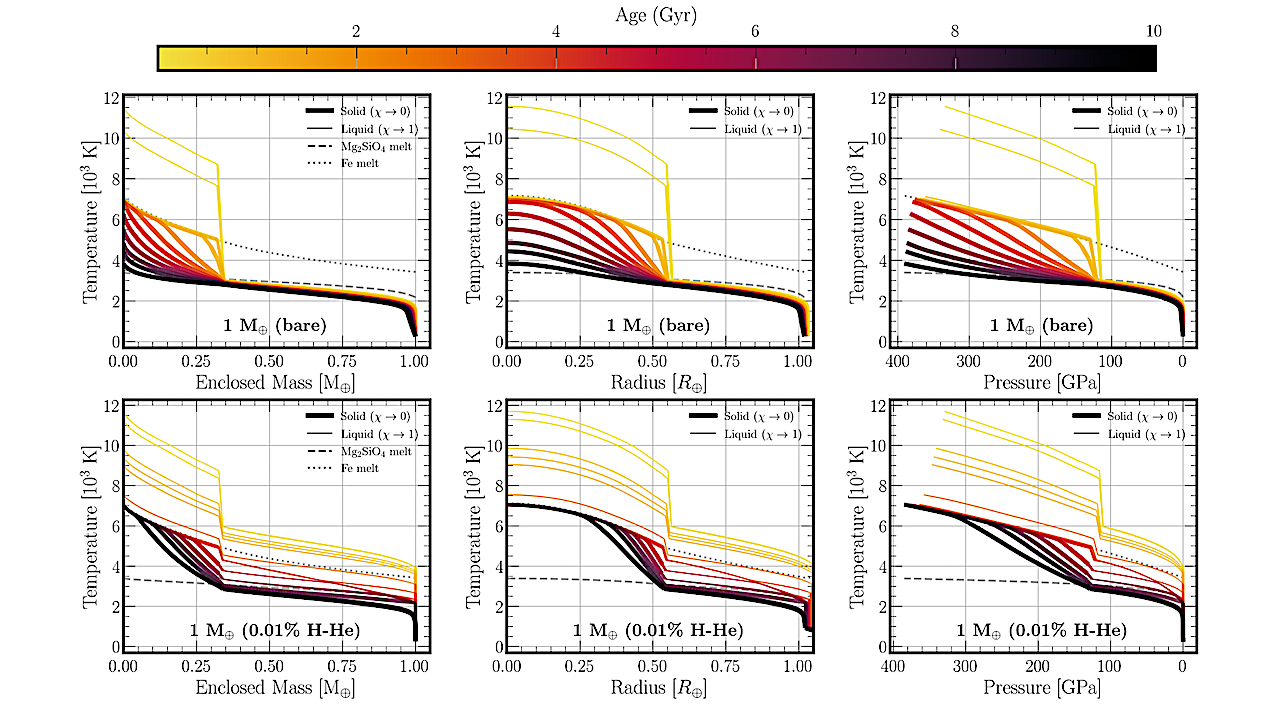
Thermal evolution of a 1 M⊕ model with no atmosphere (top row) and a model with a thin 0.01% H-He by mass atmosphere/envelope. Thicker line segments indicate solidified regions, with
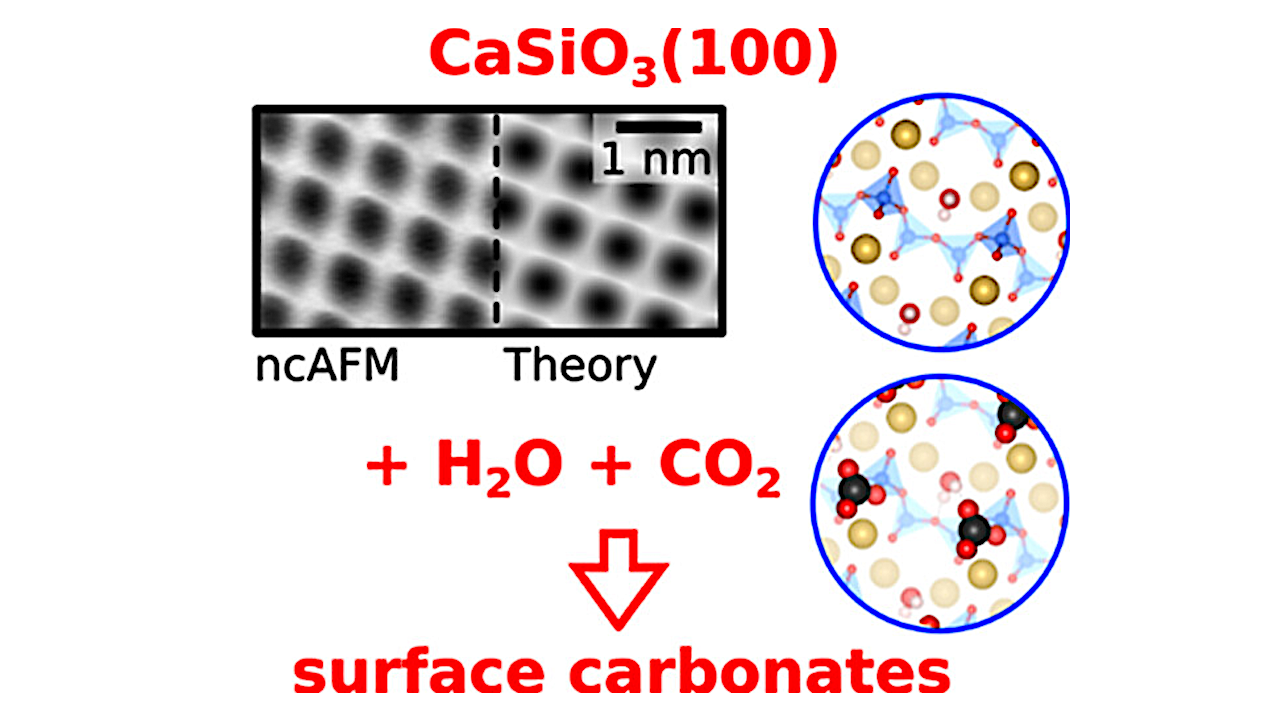
Graphical Abstract — ACS Nano Rocks can bind carbon dioxide — and much faster than previously thought. For a long time, it was assumed that the transformation of CO2 into
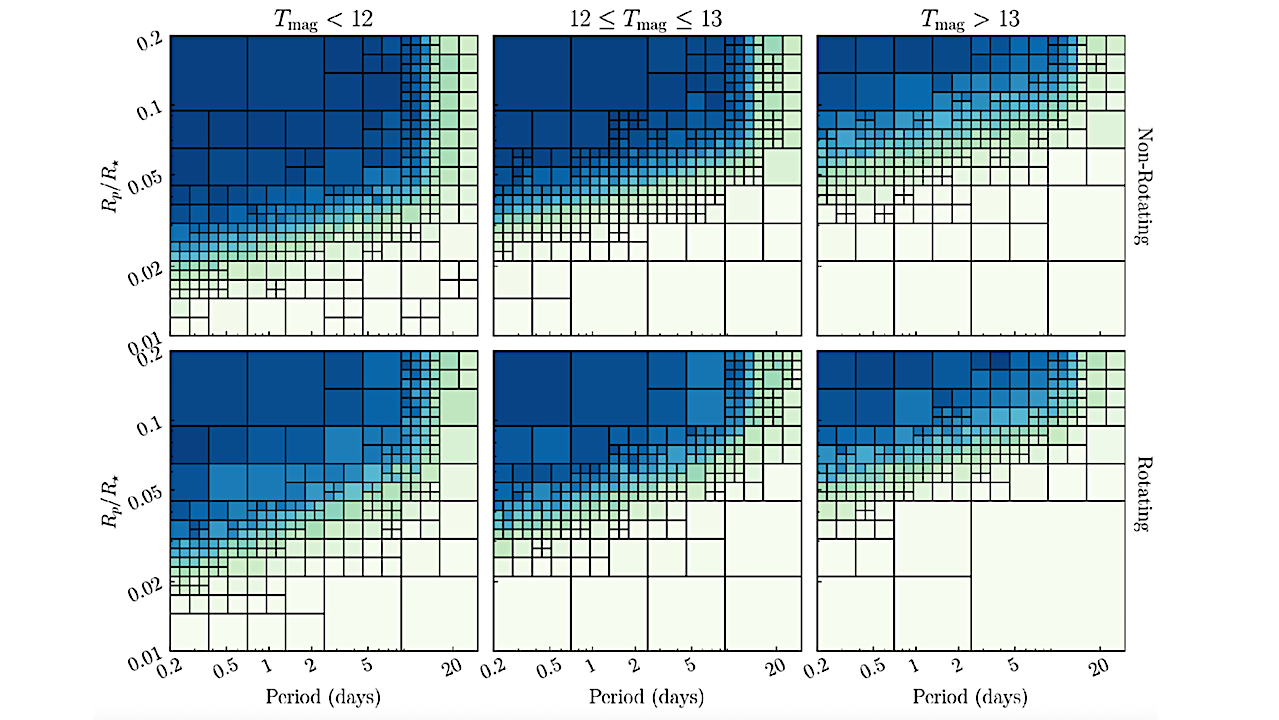
Injection–recovery maps over each of our six injection–recovery target bins that span different TESS magnitudes (columns) and nonrotating (top row) and rotating targets (bottom row) showing our pipeline’s sensitivity to
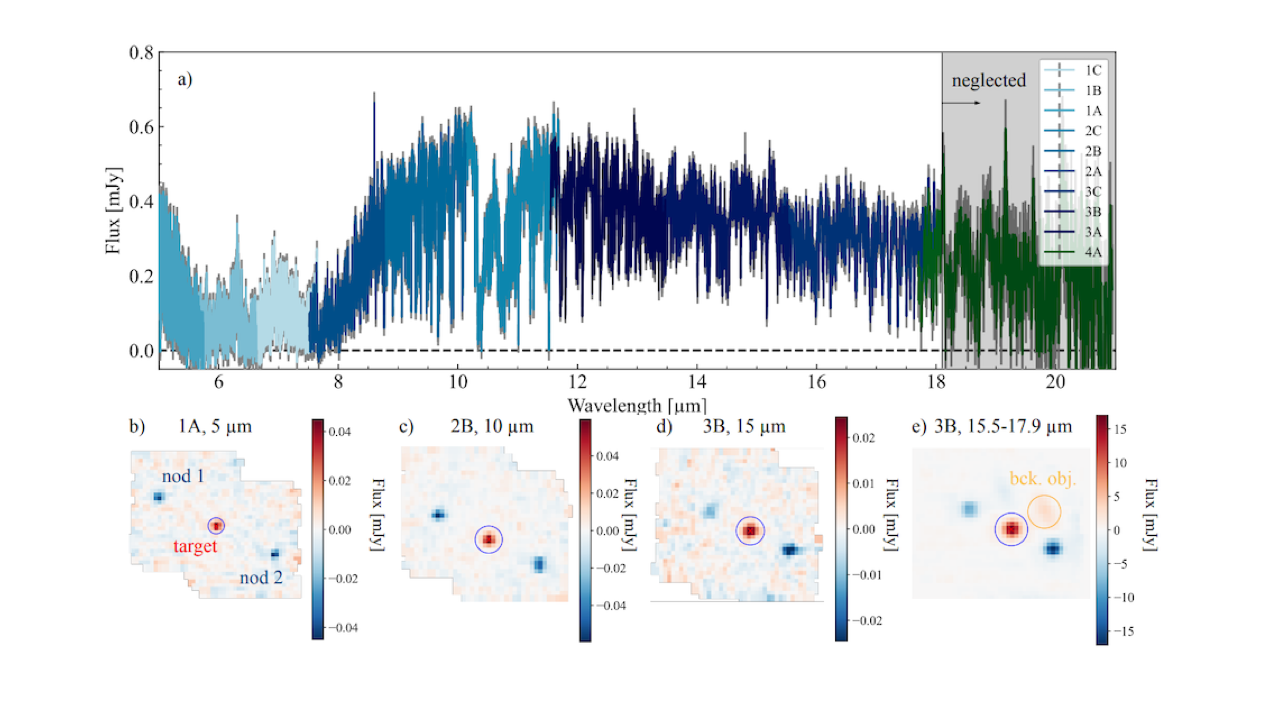
Observation and cube detector images of channel 1A to 4A, where channel 4A gets neglected from further analysis (see text). The red cross corresponds to the position of the target