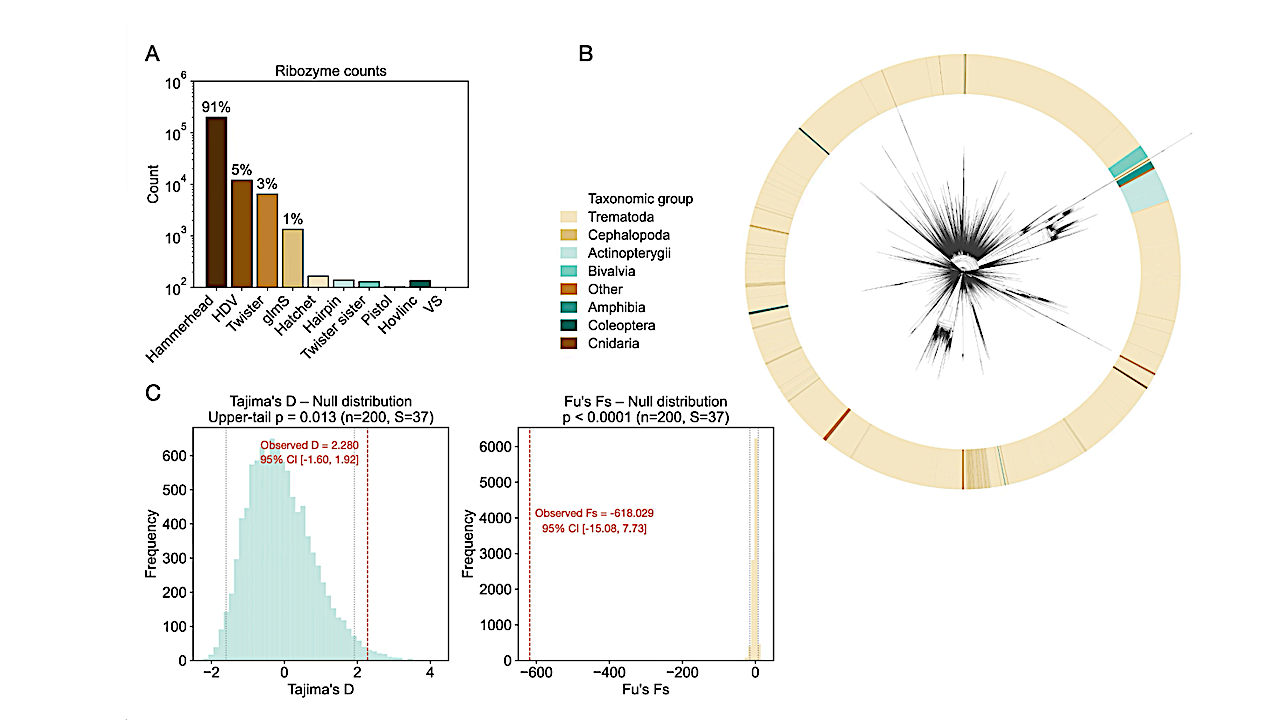
Evidence for ribozyme mass extinction. (A) Abundance distribution across all ten known small self-cleaving ribozyme families, showing the hammerhead’s 91% dominance, a pattern characteristic of disaster taxa following mass extinction

Evidence for ribozyme mass extinction. (A) Abundance distribution across all ten known small self-cleaving ribozyme families, showing the hammerhead’s 91% dominance, a pattern characteristic of disaster taxa following mass extinction
Keith Cowing Explorers Club Fellow, ex-NASA Space Station Payload manager/space biologist, Away Teams, Journalist, Lapsed climber, Synaesthete, Na’Vi-Jedi-Freman-Buddhist-mix, ASL, Devon Island and Everest Base Camp veteran, (he/him) 🖖🏻 Follow on
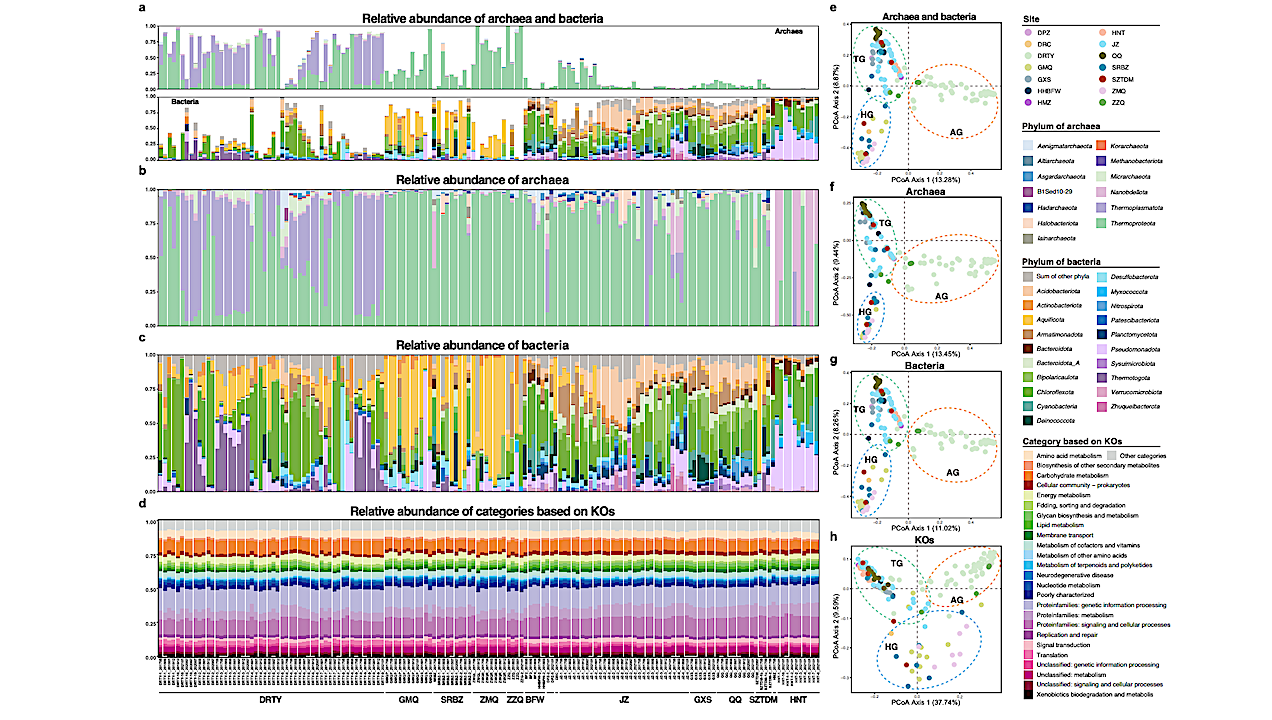
Community composition and functional profiles of 152 samples. a, The relative abundance of archaea and bacteria in 152 samples. b, The proportion of all archaea in all samples. Bars in
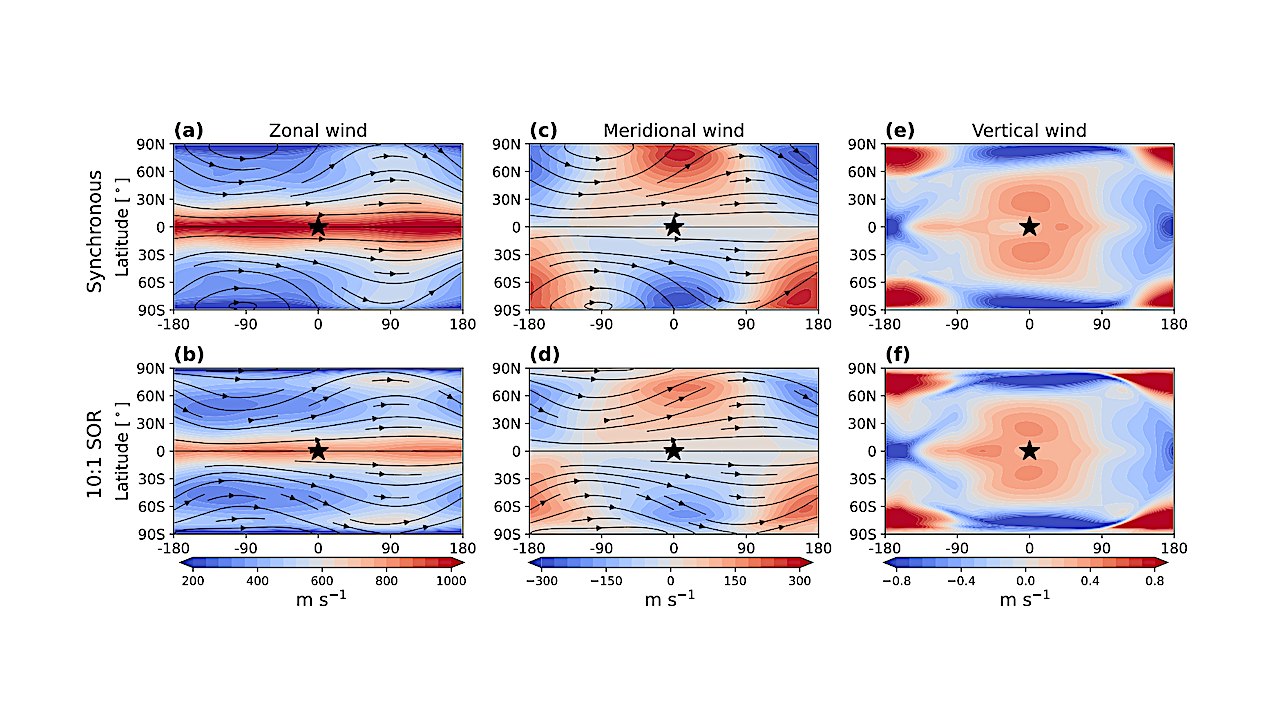
Wind structures for the synchronous and 10:1 SOR simulations, reproduced from fig. 5 of Part I and included here for reference. Columns from left to right show the horizontal distribution
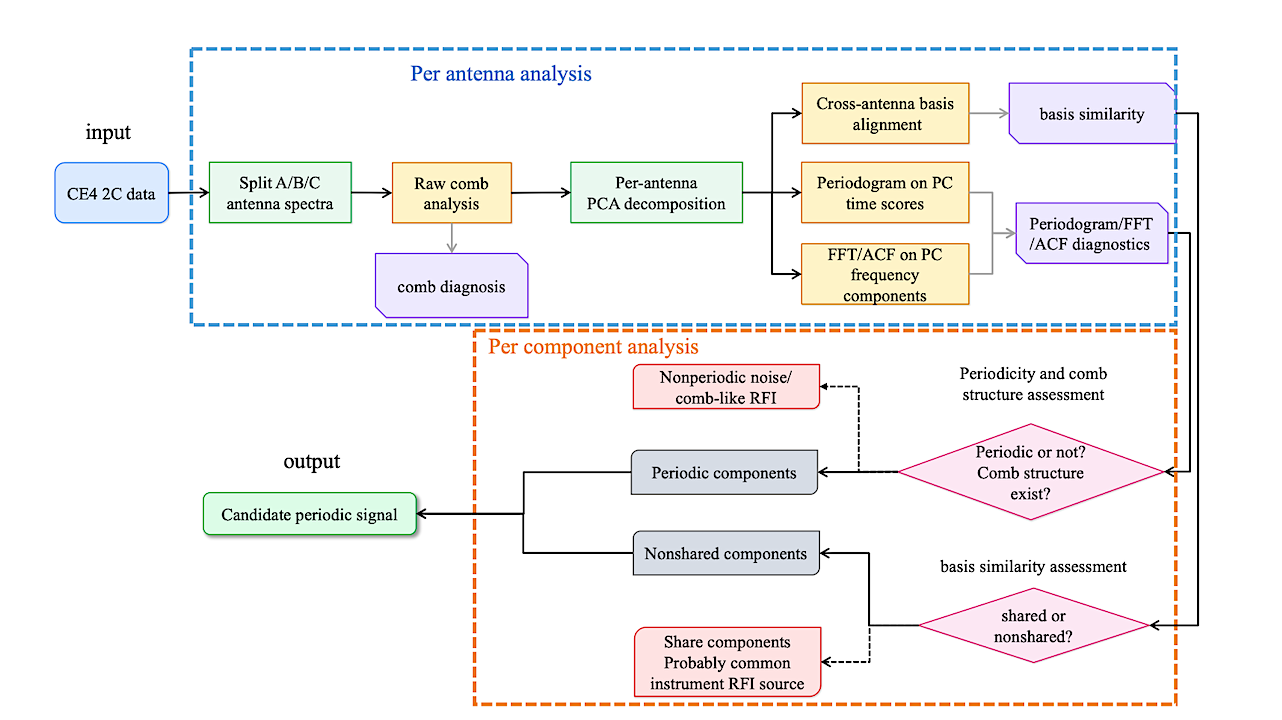
Schematic overview of the data-processing workflow in this work. After splitting the 2C data into three antenna spectra, we first conduct a general comb diagnostics for each antenna, then perform
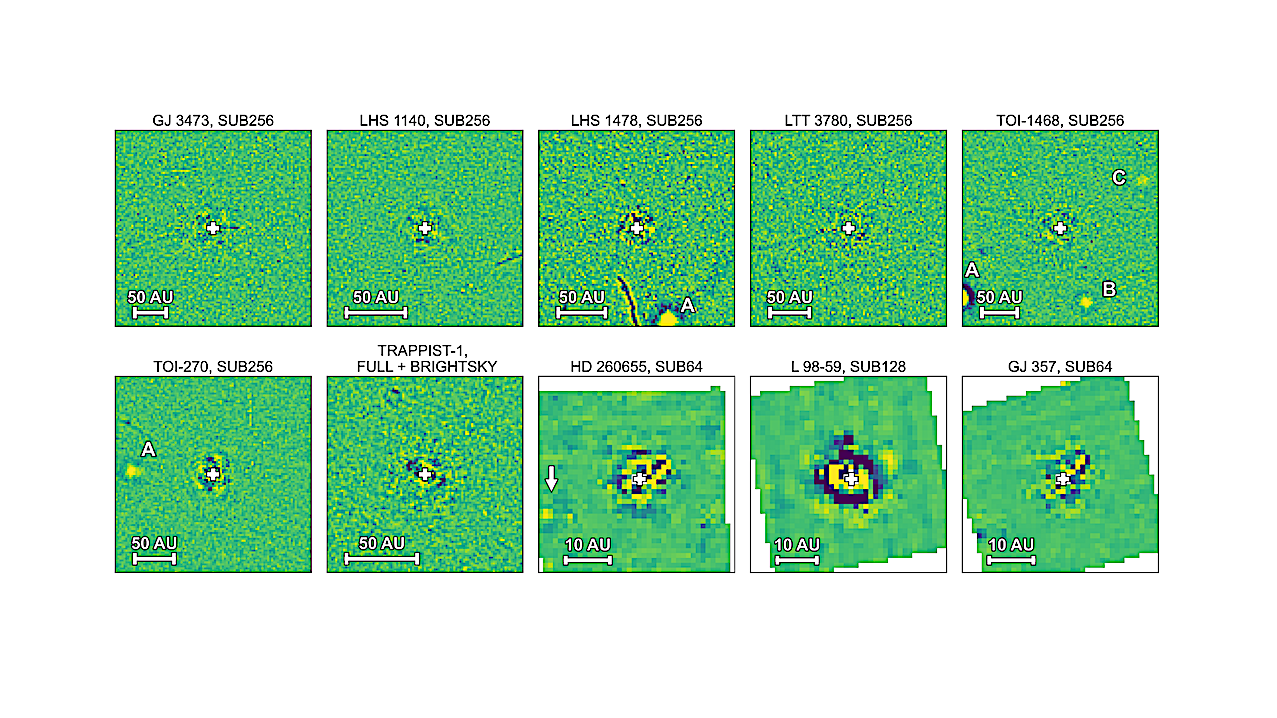
PSF-subtracted images of all targets. The observation subarray of each target is indicated. The first seven images are zoomed in to area of 11.0” × 11.0” for clearer view of
Keith Cowing Explorers Club Fellow, ex-NASA Space Station Payload manager/space biologist, Away Teams, Journalist, Lapsed climber, Synaesthete, Na’Vi-Jedi-Freman-Buddhist-mix, ASL, Devon Island and Everest Base Camp veteran, (he/him) 🖖🏻 Follow on
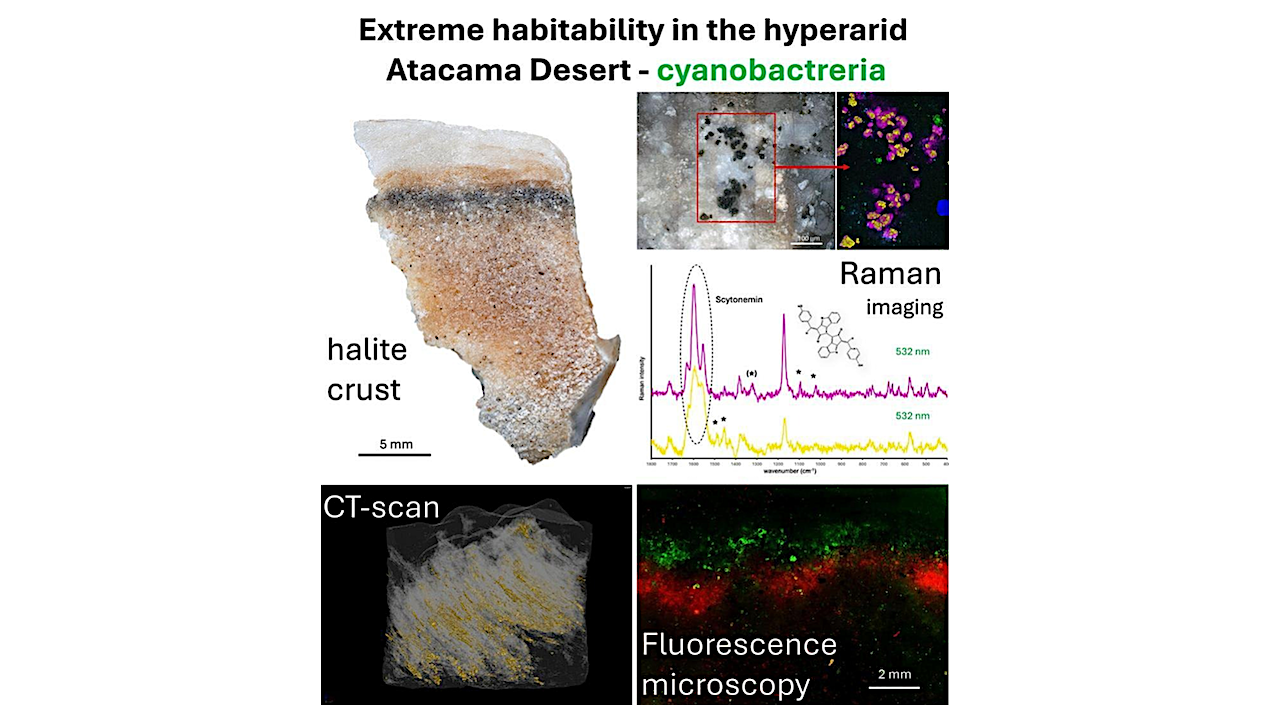
Graphical Abstract — Spectrochimica Acta Part A: Molecular and Biomolecular Spectroscopy Halite pinnacles from the Yungay area in the hyperarid core of the Atacama Desert harbor cryptoendolithic microbial colonies. A
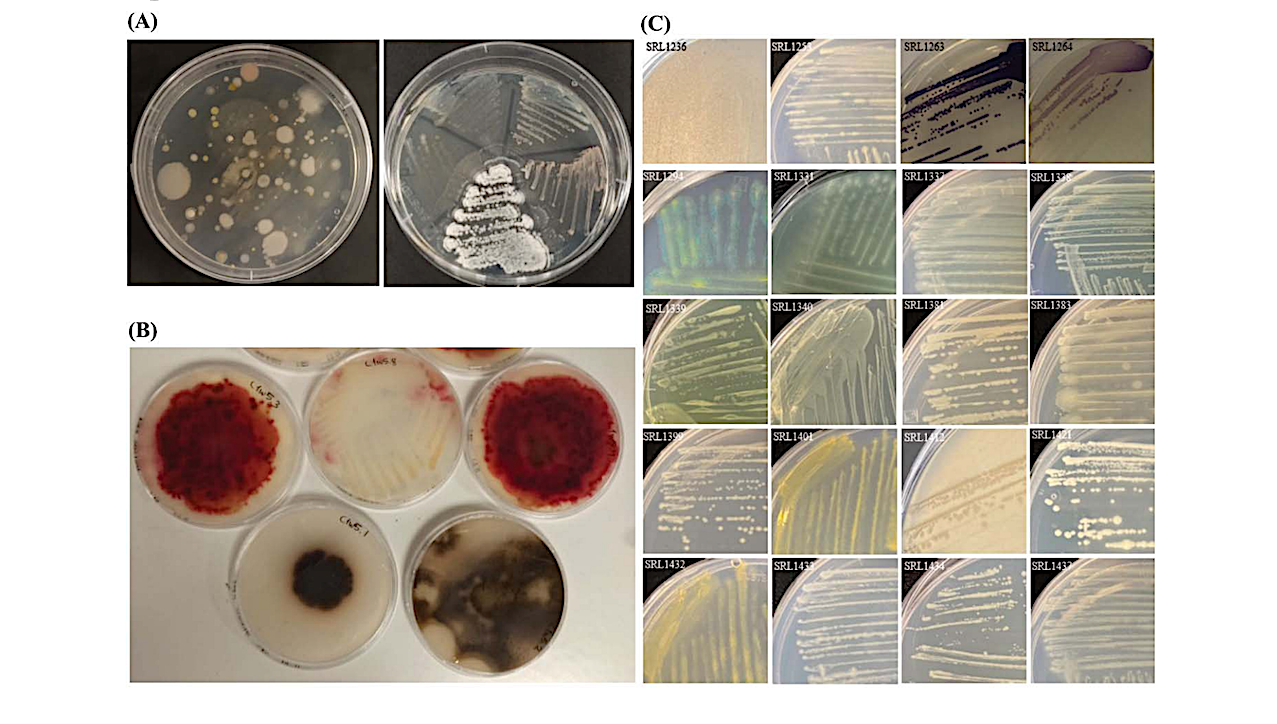
Selected pictures of microbial diversity of Gourgouthakas isolated bacteria. (A-B) Initial screenings of sample material prior to purecultures. (C) A “color palette” of isolated microbes from the collection of Gourgouthakas
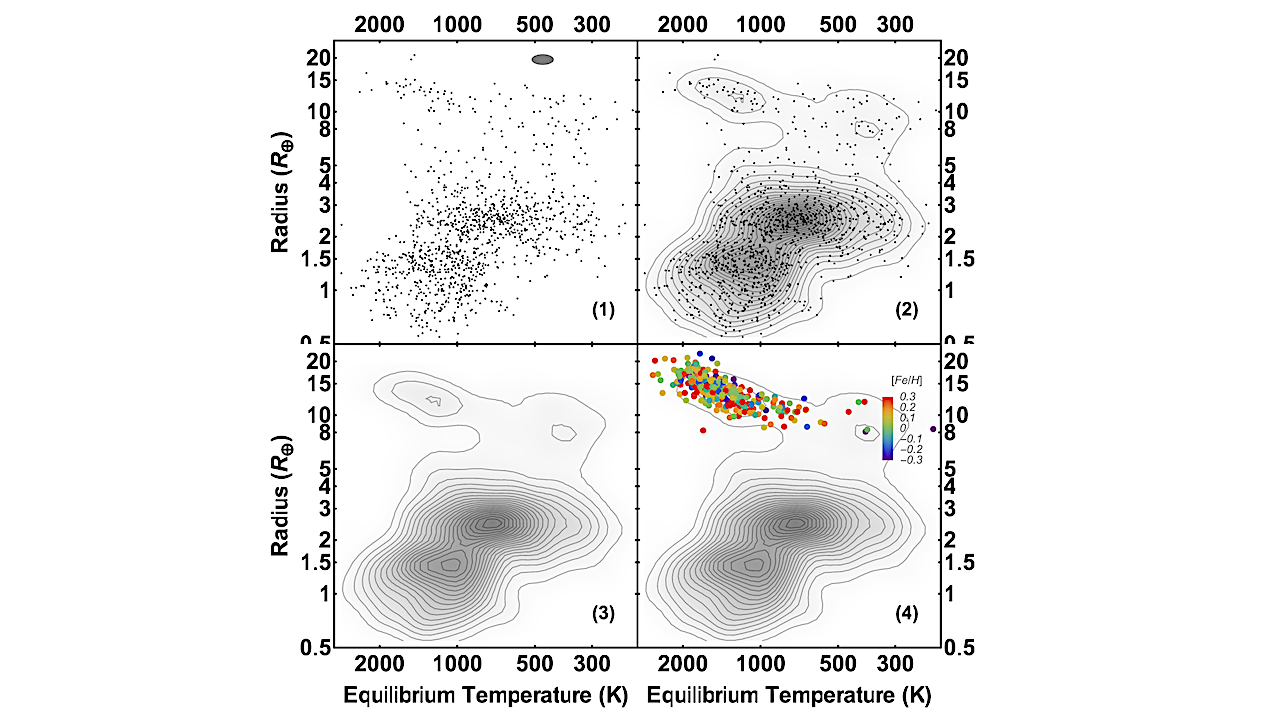
Plotted here are the Kepler confirmed planets/candidates with Gaia DR2 radius improvements. Selection criteria are main-sequence host-star with temperature 5000-6500 K and planet radius errors less than ±10%. Data source: