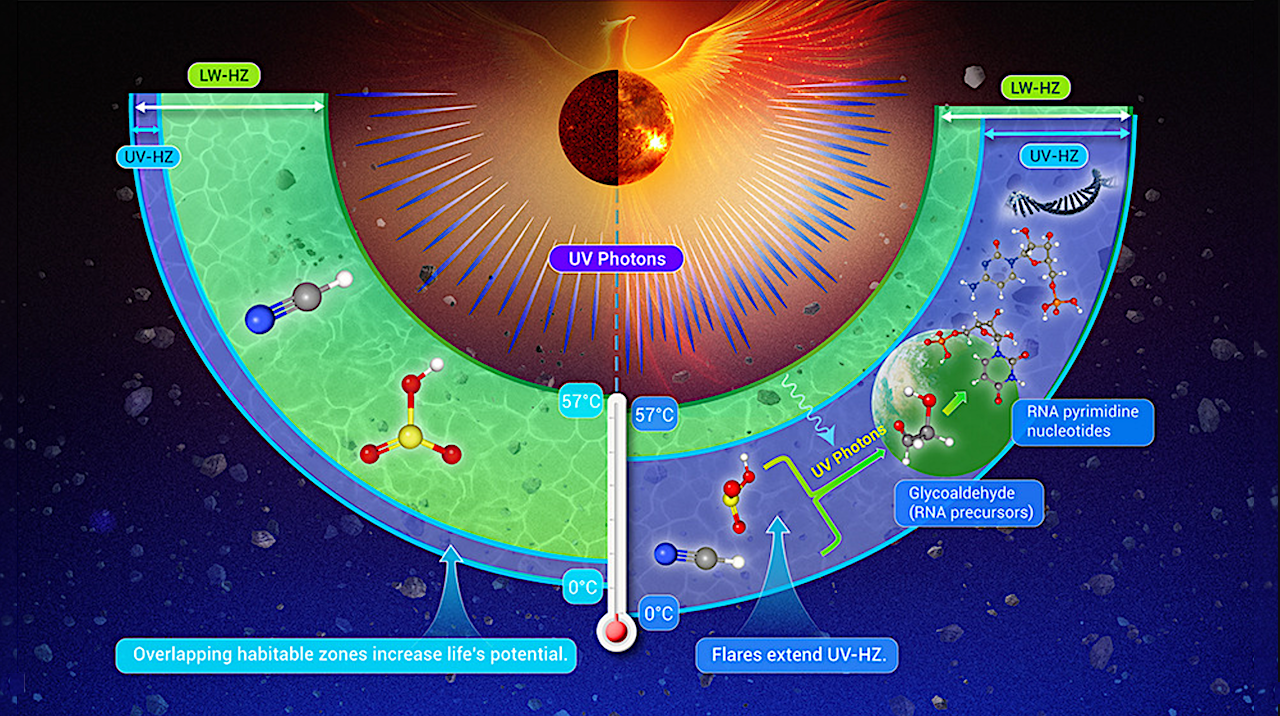
Graphical Abstract — Cell The traditional definition of the circumstellar habitable zone (HZ) focuses on liquid water, but neglects the crucial role of ultraviolet (UV) radiation in prebiotic chemistry. Low-mass

Graphical Abstract — Cell The traditional definition of the circumstellar habitable zone (HZ) focuses on liquid water, but neglects the crucial role of ultraviolet (UV) radiation in prebiotic chemistry. Low-mass
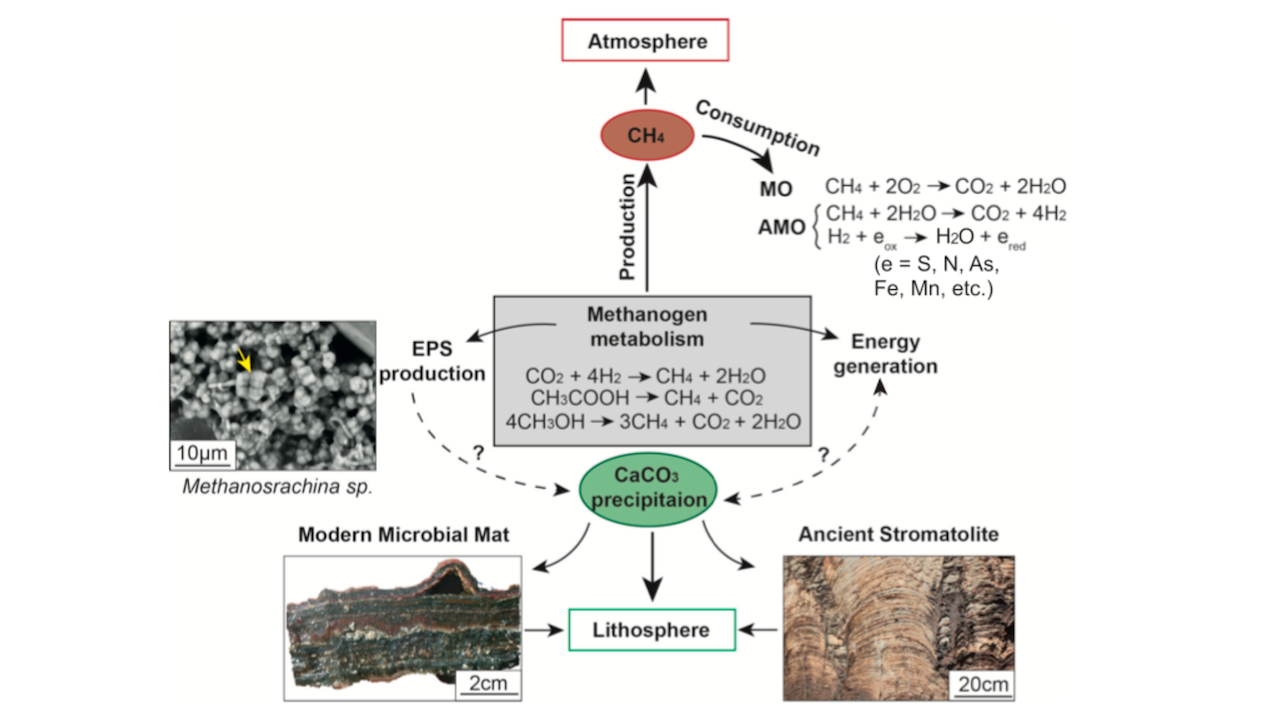
The multiple roles of methanogens in the modern-day carbon cycle. Processes shown in red contribute to greenhouse gas production. Part of the methane is removed through microbial methane oxidation (A)MO
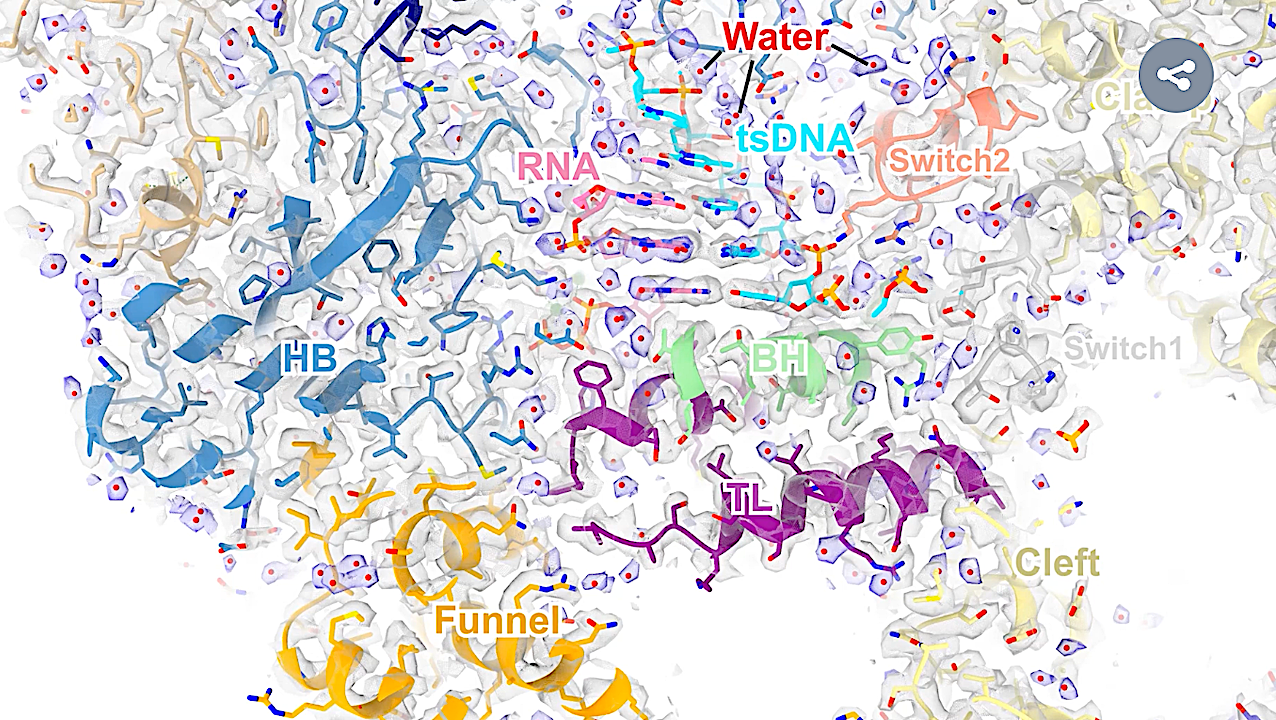
These high-resolution pre-catalysis RNA Pol II EC structures also define the reaction-ready configuration of a complete active site. The 1.96 Å cryo-EM map reveals an unambiguous density of Adenosine triphosphate
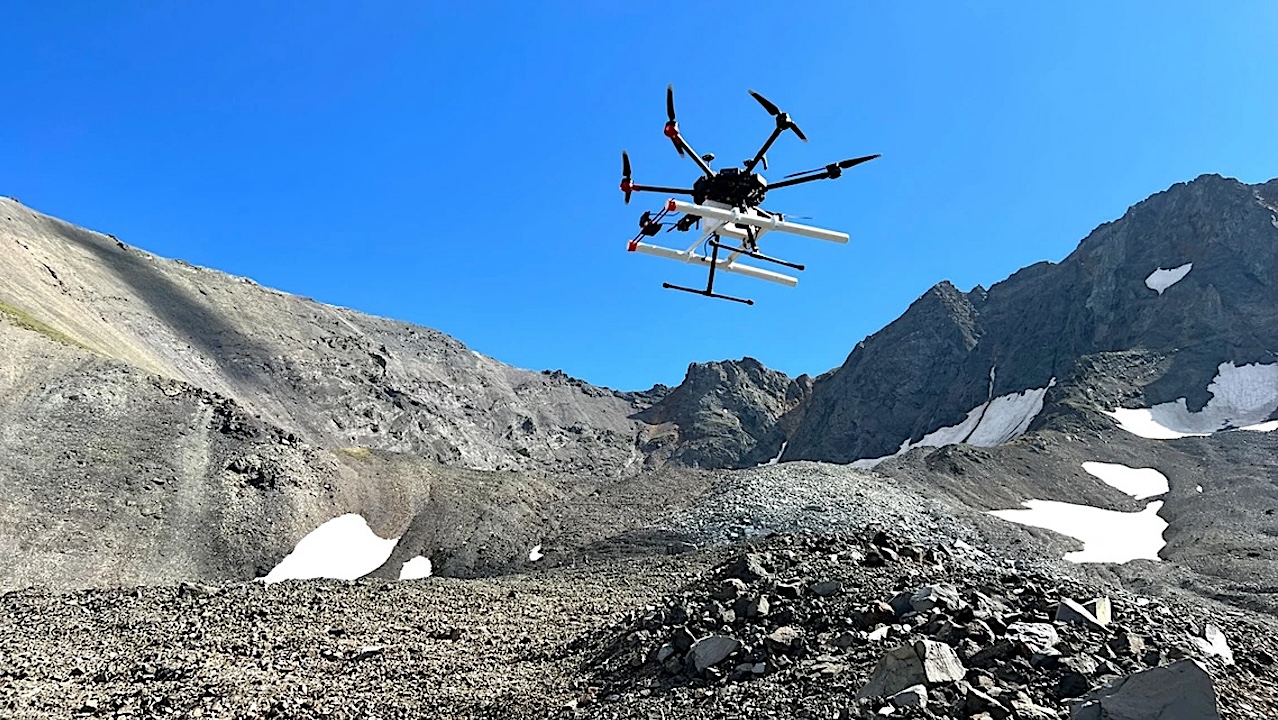
Silhouetted against the blue sky, a drone carrying a ground-penetrating radar instrument lifts off from Galena Creek Rock Glacier in Wyoming. — Jack W. Holt Understanding how to explore hidden
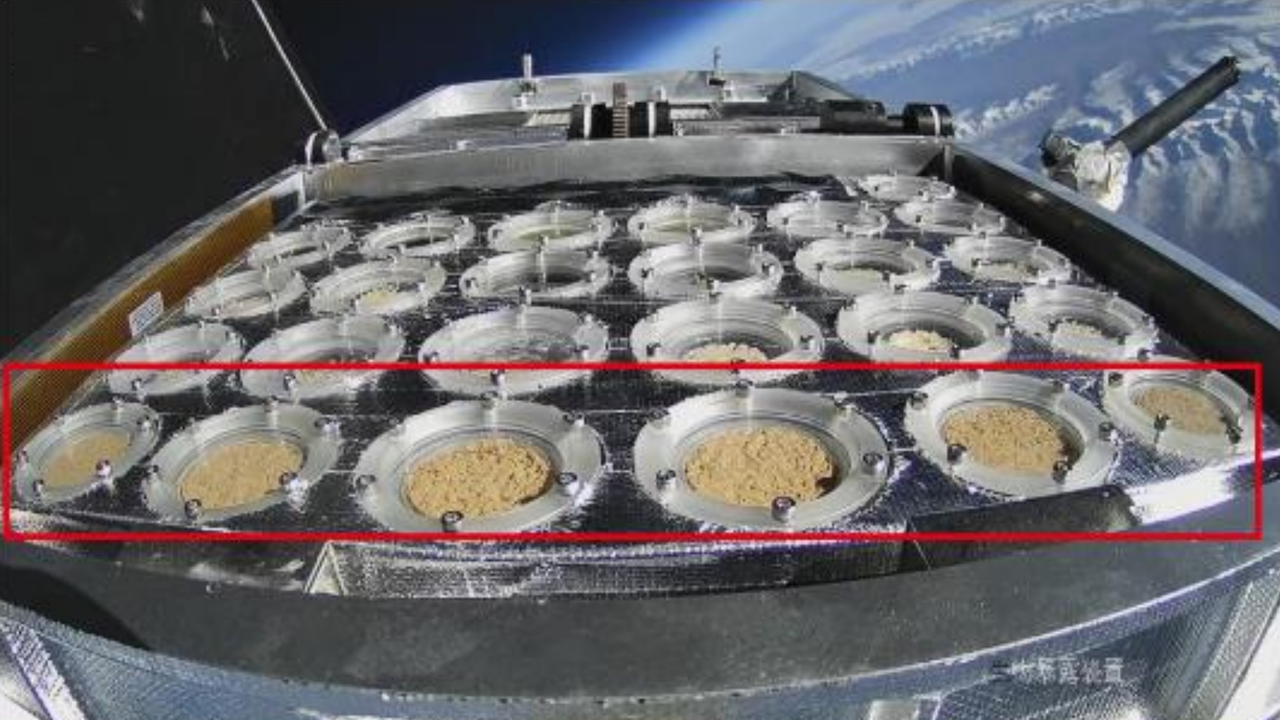
Cyanobacterial crusts in the stratosphere during light exposure — Microorganisms via PubMed How microbial communities respond to extreme conditions in the stratosphere remains unclear. To test this effect, cyanobacterial crusts
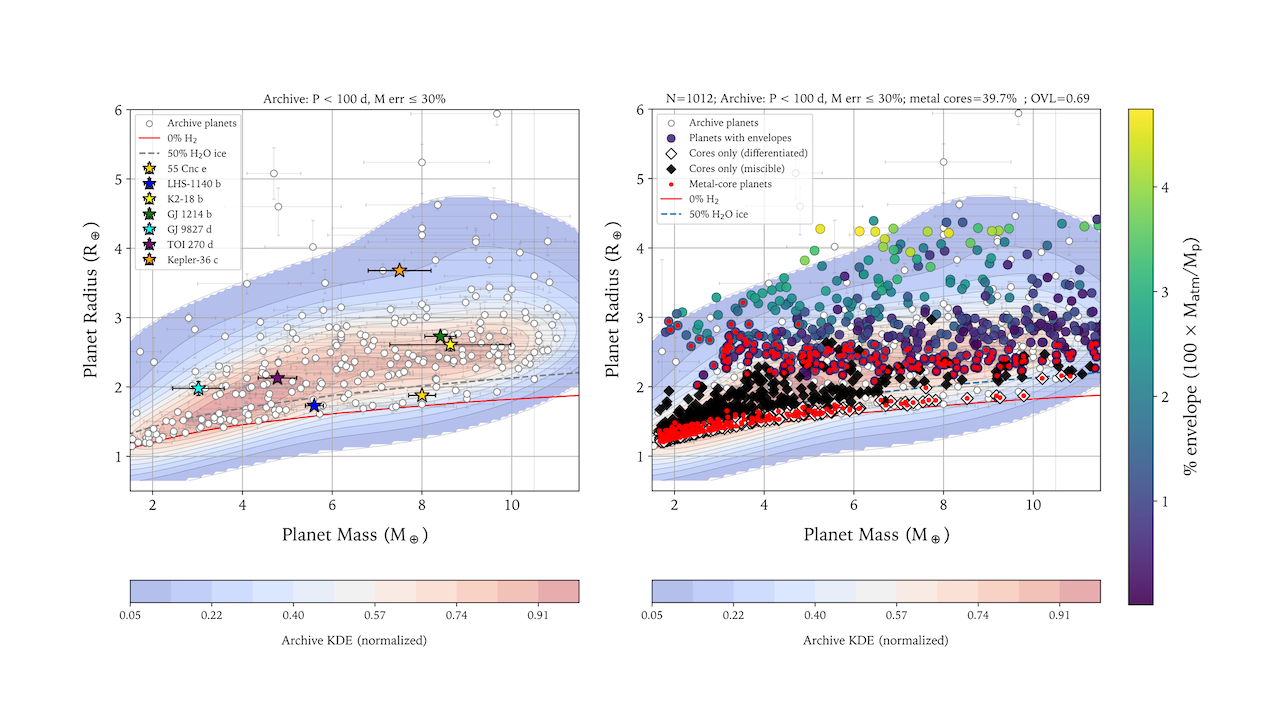
Astrogeology Status Report astro-ph.EP May 1, 2026 Filed under astro-ph.EP, astrochemistry, astrogeology, atmospheric escape, exoplanet, hydrogen-rich atmosphere, metallic core, molten iron, molten silicate, sub-Neptune, super-Earth LEFT – Mass versus radius
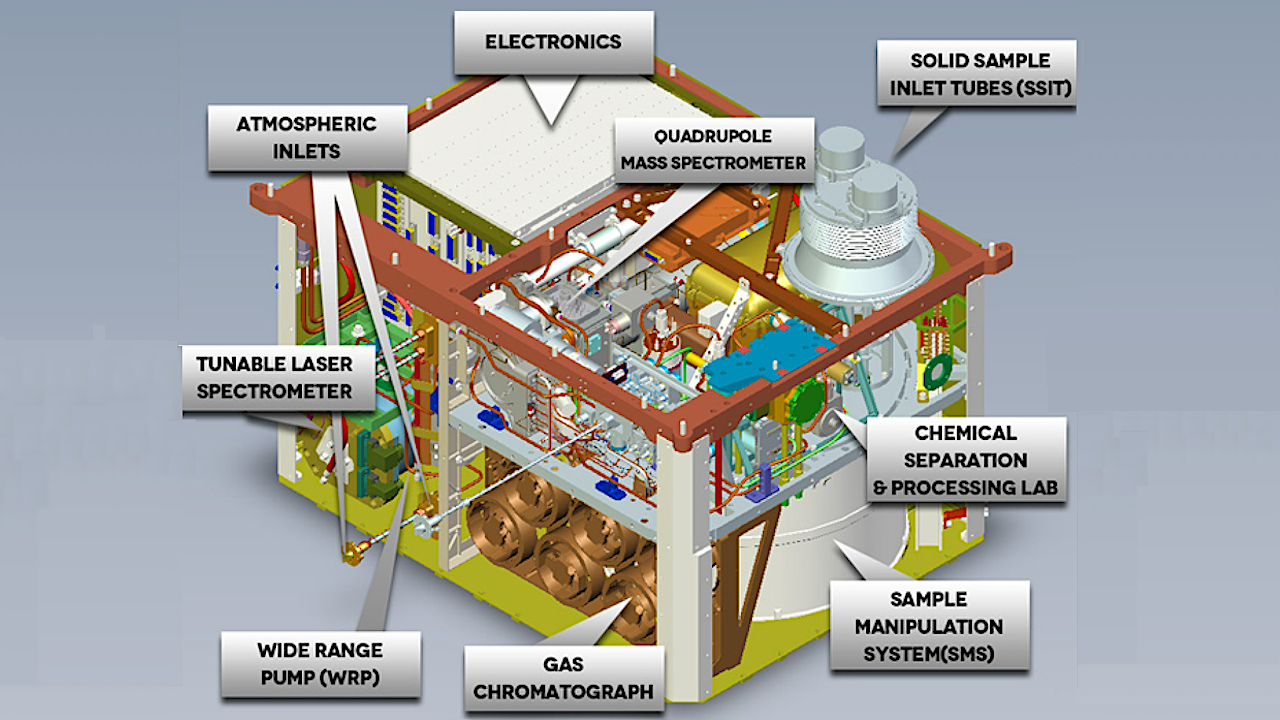
SAM is the most complex instrument ever sent on a planetary mission. Principal Investigator Paul Mahaffy leads the project from Goddard in collaboration with 51 co-investigators and 28 institutions including
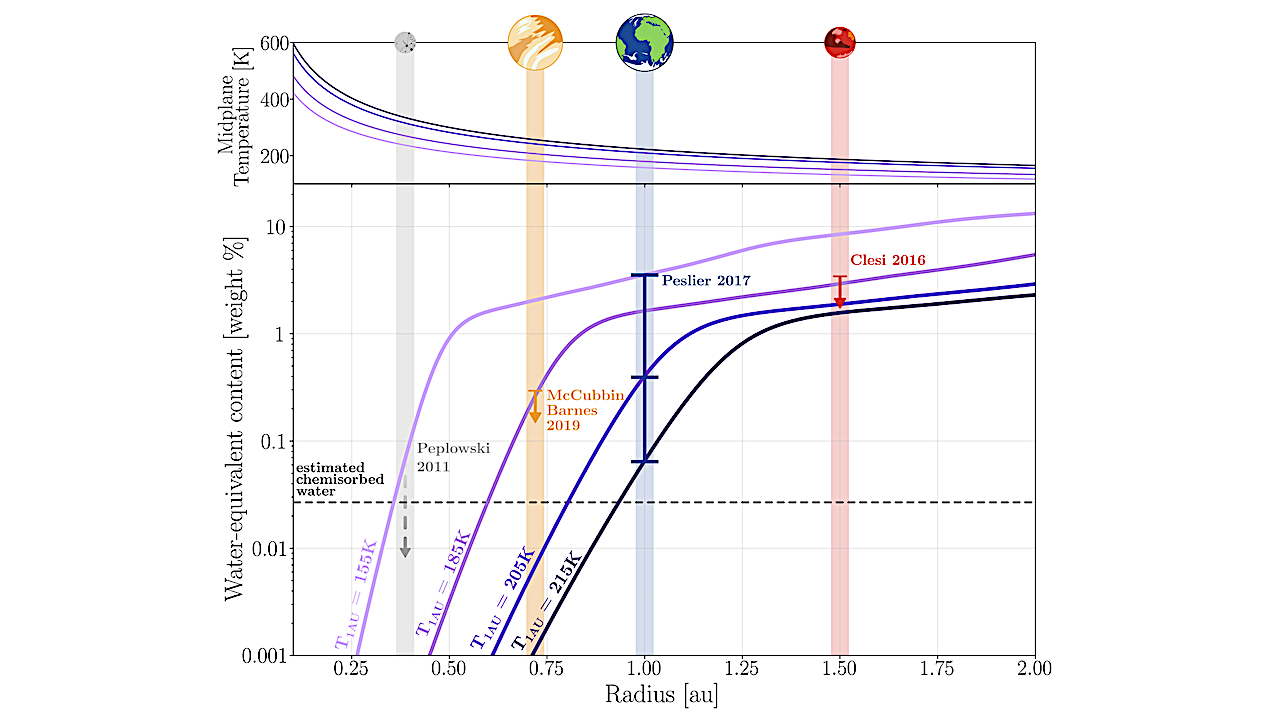
Model prediction for the water budget of the 4 terrestrial planets : Mercury in grey, Venus in yellow, the Earth in blue and Mars in red. Upper Panel: Midplane temperature
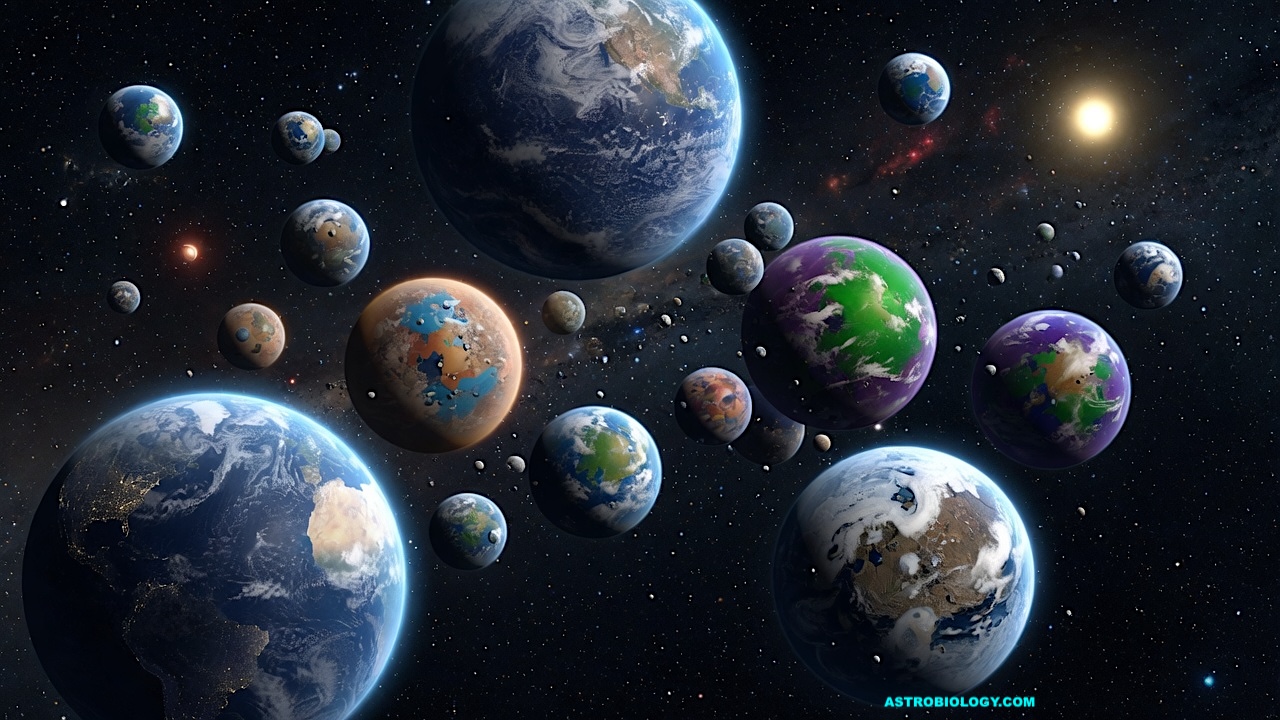
Super-Earths and sub-Neptunes – Grok via Astrobiology.com Astronomers estimate there is at least one planet for every star in our galaxy. Called exoplanets, they orbit stars outside our solar system.
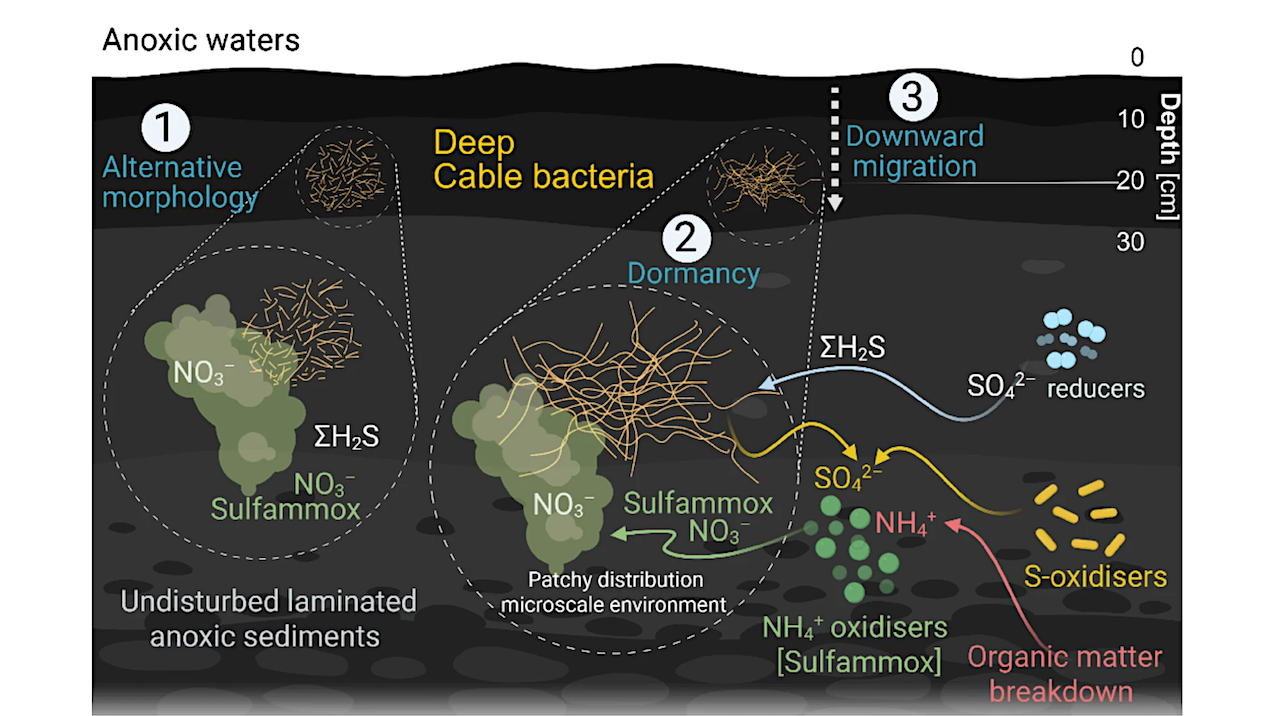
Conceptual model of cable bacteria in deep anoxic sediments. Diagram illustrating three possible scenarios for cable bacteria persistence and activity in deep anoxic sediments, where anaerobic nitrate production (e.g., via